
Lieferung heute & morgen

Qualitätsgarantie

Willkommens-Angebote freischalten: KOSTENLOSE Lieferung | Bis zu 80 % RABATT | Kostenlose 30-Tage-JoyPlus-Testphase
App herunterladen
Red lipsticks are among the most versatile make-up products: a sheer cherry shade works well for everyday wear, while a highly pigmented red lipstick creates a striking look for evening events. Before buying, however, it is worth taking a close look at the finish, staying power, ingredients and application.
Names such as “Cherry Red”, “Pure Red” or “Legendary Red” are not defined consistently. A red lipstick may appear cool and blue-toned, warm and coral-toned, or deep burgundy. Your natural lip colour also affects the result.
These guidelines can help you make a more targeted choice:
Product images may vary from one screen to another. If a particular shade is important to you, consider the colour name, product description and customer images together.
Long-lasting lipstick often contains film-forming ingredients that help improve wear time. Liquid matte formulas may therefore be more resistant to transfer, but they can feel different on dry lips compared with a creamy lipstick.
When considering claims about staying power, it is important to distinguish between the manufacturer’s claim and the wear time you can achieve individually. Eating, drinking, lip care and the condition of your lips can all affect the result. A matte red lipstick should therefore not be chosen solely on the basis of a stated number of hours.
Terms such as “nourishing”, “hydrating” or “caring” generally describe the direction of the formula, but they are no substitute for checking the ingredients. Oils, waxes, shea butter, squalane or vitamin E derivatives may contribute to the texture and caring feel. Fragrances and fragrance ingredients that must be declared are also relevant if your lips are sensitive to certain ingredients.
Check the current ingredients list on the packaging before use. If redness, burning or any other reaction occurs, discontinue use.
The finish affects not only the appearance but also how the product is applied:
Highly pigmented formulas can look intense with one application, while a sheer balm may require several layers. Look for terms such as “sheer”, “buildable”, “high coverage” or “bold colour”. For everyday wear, buildable red lip colour is often more versatile: one thin layer creates a subtle effect, while additional layers intensify the result.
In Germany and the EU, cosmetic products should carry an INCI ingredients list, the details of a responsible person within the EU, a batch number, and information about shelf life or the period of use after opening. Colourant labelling is also important for make-up products.
If you are looking for a vegan lipstick, rely on an explicitly stated vegan formula. “Plant-based oils” alone do not prove that a product is vegan, as it may contain waxes or other ingredients of animal origin. “Cruelty-free” and “vegan” are also different claims.
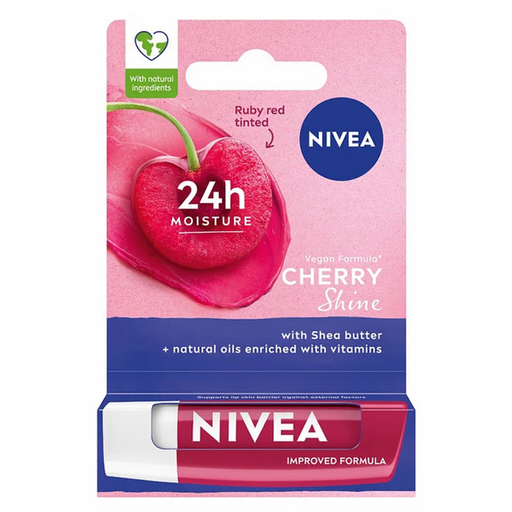
Why this product suits the profile: The classic stick format makes it easy to apply every day. The Cherry Shine shade is designed to provide visible colour, without necessarily offering full coverage.
The product details specify a quantity of 4.8 g and provide a complete INCI list. This makes it easier to compare your choice with the price, quantity and your personal tolerance criteria.
Solid lipstick format, 4.8 g contents and caring ingredients such as sunflower oil and shea butter, according to the product details.
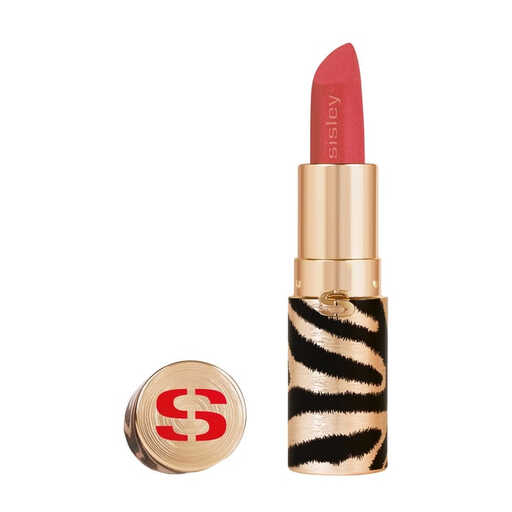
Why this product suits the profile: The lipstick is described as having a creamy-matte formula with a faceted bullet and a refillable case. This appeals to shoppers who value quality construction and a reusable case.
The description clearly states the finish, contents, application method and refillability. This means the focus is not solely on a colour-name claim, but also on the product’s construction.
3 g contents, matte finish, refillable case and detailed application instructions according to the product information.
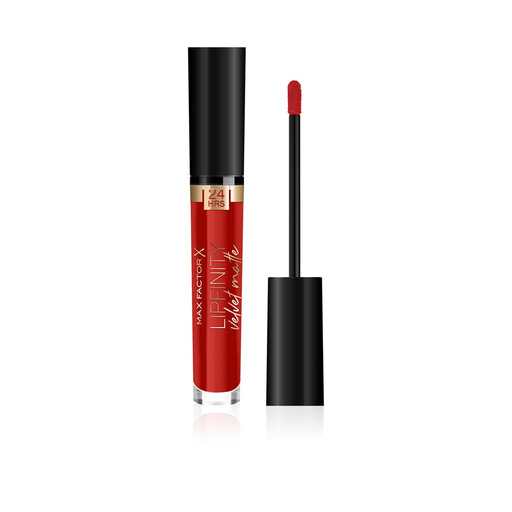
Why this product suits the profile: The liquid texture with applicator is aimed at users looking for a bold matte red lip colour with precise application. According to the product description, allowing it to dry is recommended for a smudge-proof finish.
The instructions specifically recommend applying it to clean, dry lips and allowing it to dry after application. This helps reduce mistakes that can lead to uneven results with liquid matte products.
3.5 ml contents, liquid applicator format and matte red colour; coconut oil is listed among the stated product features.
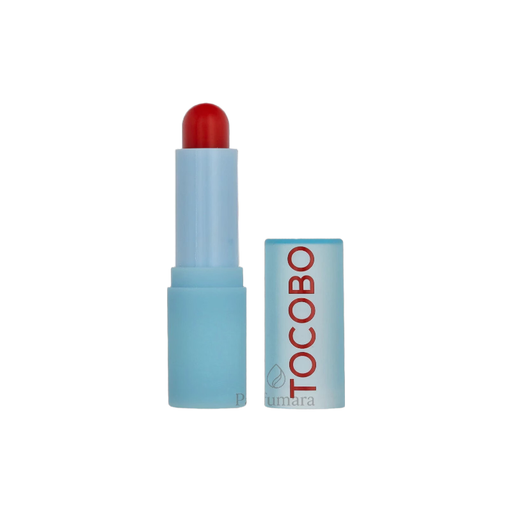
Why this product suits the profile: According to the product description, this tinted lip balm provides a subtle cherry shade and a glossy finish. It is suitable for people who do not need fully opaque red lip colour.
The description clearly distinguishes between a subtle tint and bold coverage. Reapplying allows you to adjust the colour intensity.
Cherry-toned colour, glossy finish and oils such as sunflower, olive and jojoba oil in the stated formula.
We have put together a complete, regularly updated list of products that fully meet these strict selection criteria and the safety regulations applicable in the EU.
For an even result, your lips should be clean and as smooth as possible. With matte products, applying a thin layer of lip care that is not too oily before make-up can be helpful. Remove any excess product before applying lipstick so that the colour adheres better.
A lip liner in a similar shade of red can define the outline and reduce bleeding around the edges of the lips. With a glossy red lipstick or red lip gloss, applying a thin layer to the centre of the lips is recommended if you prefer a lighter feel.
Shelf life and storage depend on the product and how it is used. Check the expiry date, batch number and open-jar symbol showing the period after opening on the packaging. Products should be kept closed and dry, protected from direct sunlight and high temperatures.
For everyday wear, a buildable lipstick, tinted lip balm or light red lip gloss is often easy to use. Cherry-red and slightly sheer shades are more forgiving of small inaccuracies than highly pigmented matte colours.
A clean lip contour, a matching lip liner and a thin application of colour can help. With very creamy or glossy formulas, carefully blot away any excess product. However, eating, drinking and applying lip care can still reduce its staying power.
The specific period depends on the symbol and information on the packaging. You should also monitor the smell, texture and colour. If the product changes noticeably or causes discomfort, stop using it.