
Lieferung heute & morgen

Qualitätsgarantie

Willkommens-Angebote freischalten: KOSTENLOSE Lieferung | Bis zu 80 % RABATT | Kostenlose 30-Tage-JoyPlus-Testphase
App herunterladen
A red toy car is a classic that lights up children's eyes and makes collectors' hearts beat faster. However, the sheer volume of available models can be overwhelming, and an impulse buy often leads to disappointment. Before you decide, it's helpful to know the most common pitfalls that can quickly turn a promising toy into a dust collector.
Focusing on objective features instead of advertising promises helps you make an informed decision. Here are three common problems to avoid.
To make a smart decision, you should focus on a few crucial technical characteristics.
The material determines the toy's longevity and safety. Models made of die-cast metal, often found in Siku red vehicles or as red collector's model cars, offer high stability and detail. For toys intended for younger children, high-quality ABS plastic is a suitable choice, provided it is robust and the edges are rounded to prevent injury. Pay attention to the overall construction; the parts should be firmly connected and have no sharp burrs.
The functionality should match the child's developmental stage.
For collectors and fans of play systems, scale is a decisive factor. A scale of 1:87 (H0 gauge) is common for model railways, while Siku often uses scales like 1:50 or 1:32 for its agricultural and construction vehicles. Choosing a consistent scale allows for the creation of a cohesive play world or collection. This is particularly relevant for red toys for boys, where building a fleet of emergency or construction vehicles is a popular play pattern.
Instead of making a blanket recommendation, we have identified models tailored to specific user profiles.
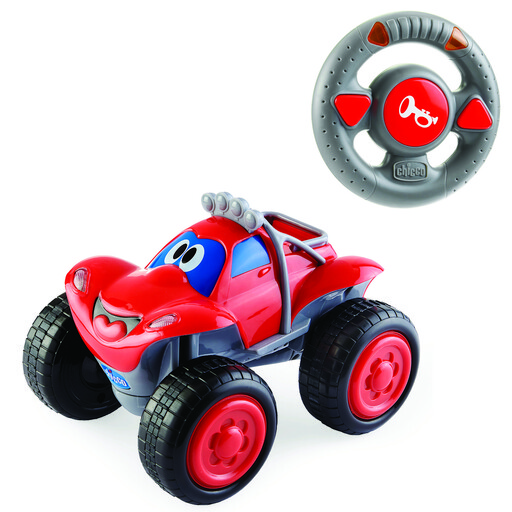
Why this model is a great fit: Ideal for toddlers having their first experience with remote-controlled vehicles. The controls are deliberately kept simple and intuitive to avoid frustration and promote hand-eye coordination.
This model avoids the "overloaded features" trap. The steering wheel-shaped remote is controlled by tilting, which is logical and easy for young children to understand.
The sturdy build with large wheels is designed to withstand minor obstacles and less-than-gentle handling.
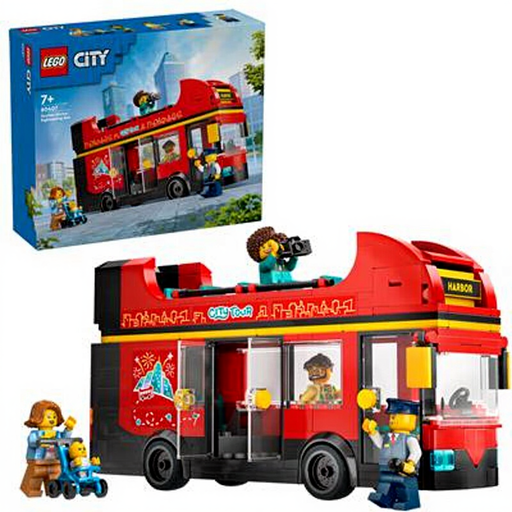
Why this model is a great fit: It combines the fun of building with subsequent imaginative play. Children who enjoy being creative and inventing stories can design their own city tour here.
This set solves the "compatibility dilemma" by fitting seamlessly into the existing LEGO City world and combining with other sets, which increases its long-term play value.
Promotes fine motor skills and spatial reasoning during construction. The finished model is a robust toy for role-playing.
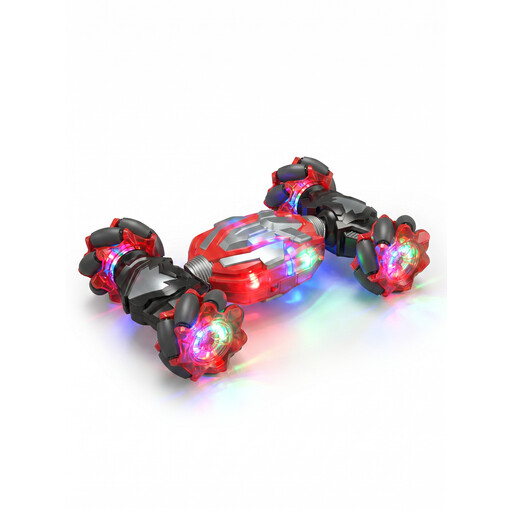
Why this model is a great fit: For kids who want more than just driving back and forth. This vehicle is designed for manoeuvres like lateral drifting and 360-degree spins, offering an active, dynamic play experience.
Here, the "complex features" are the main attraction. The Mecanum wheels and gesture control are not gimmicks; they genuinely enable the advertised stunts and provide real added value.
Two control options (handheld remote and gesture watch) cater to different preferences and allow for multiplayer competitions without signal interference, thanks to 2.4 GHz technology.
We've compiled a complete, up-to-date list of products that fully meet these strict selection criteria and all applicable safety regulations.
1. What should I look for in the material of a toy car? Pay attention to the material specifications. Die-cast metal is very durable and detailed, making it ideal for collector's models and robust toys. High-quality ABS plastic is a good alternative for toys intended for younger children, as it is resilient and lightweight. It's important that no small parts can break off easily and that all edges are smoothly finished.
2. What does the scale mean on a model car? The scale indicates the size ratio of the model to the original vehicle. For example, a scale of 1:24 means the model is 24 times smaller than the real car. Smaller scales like 1:87 or 1:64 are space-saving and well-suited for large collections, while larger scales like 1:18 or 1:24 typically feature more detail.
3. From what age is a remote-controlled car appropriate? This largely depends on the complexity of the controls. Simple models with one or two-button operation are suitable for children as young as 2 or 3. More complex vehicles with proportional steering, multiple speeds, or stunt functions are aimed at children aged 8 and older, as they require better fine motor skills and a greater technical understanding.