
Lieferung heute & morgen

Qualitätsgarantie

Willkommens-Angebote freischalten: KOSTENLOSE Lieferung | Bis zu 80 % RABATT | Kostenlose 30-Tage-JoyPlus-Testphase
App herunterladen
Finding a good red wine case can feel like searching for a needle in a haystack. The online market is full of tempting offers, but not every wine offer delivers on its promise. As a Joybuy Product Recommendation Officer, I see daily how customers are confused by vague descriptions or marketing hype. The goal of this guide is to provide you with objective criteria so you can confidently find the right red wine selection for your taste and occasion.
Before you start searching for the perfect wine, it helps to know the typical stumbling blocks that often lead to disappointment.
To avoid these pitfalls, focus on verifiable facts. The following three parameters are crucial when you buy red wine online.
The grape variety is the wine's foundation. Each variety has a typical aroma and flavour profile. Instead of being guided by marketing terms, focus on the characteristics of the grape:
Where a wine comes from (its terroir) and how it is aged have a major impact on its character.
Pay attention to the technical data that must be available on the label or in the product description.
Based on these objective criteria, we have selected a few red wines that are suitable for different needs and preferences.
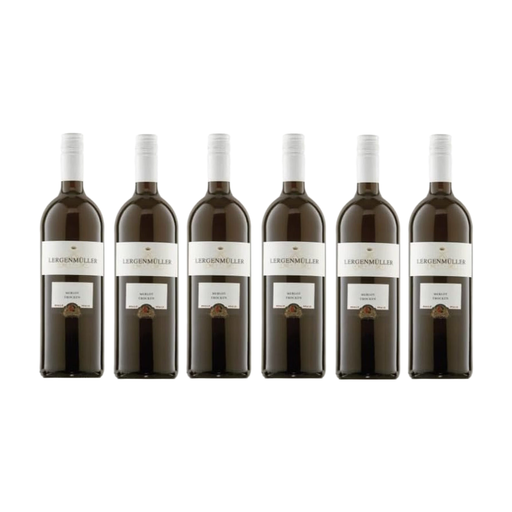
Why This Fits Their Persona: Ideal for stocking up. This case of six 1-litre bottles of red wine offers a straightforward and fruity Merlot from the Palatinate region, perfect for everyday enjoyment or spontaneous dinners with friends.
The product description provides concrete aromas (blackcurrant, fresh plum, pastry) instead of vague platitudes. The origin (Palatinate) and ageing method (stainless steel tank) are clearly declared.
Excellent value for money thanks to the 1-litre bottle. The screw cap ensures easy handling and preserves freshness.
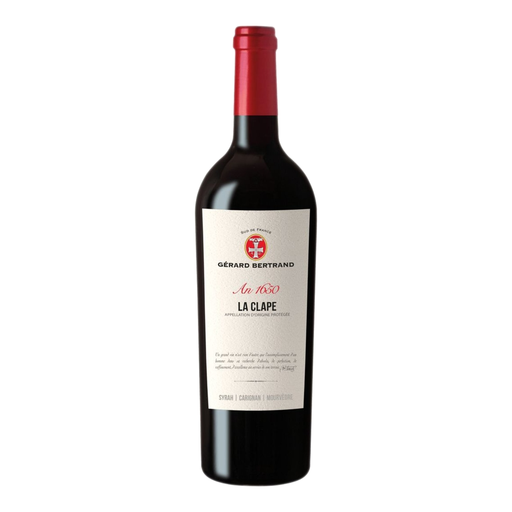
Why This Fits Their Persona: For connoisseurs seeking a characterful and intense wine. This full-bodied red wine from the Languedoc is ideal for special occasions or as a pairing for a hearty rack of lamb or goulash.
The AOP La Clape classification and the mention of biodynamic farming are clear quality indicators. The high alcohol content of 15.0% ABV and the 8-month maturation in oak barrels are transparent facts, not marketing fluff.
A complex aroma profile (blackcurrant, cocoa, vanilla) from the blend of Syrah, Carignan, and Mourvèdre. Expressive and with a long finish.
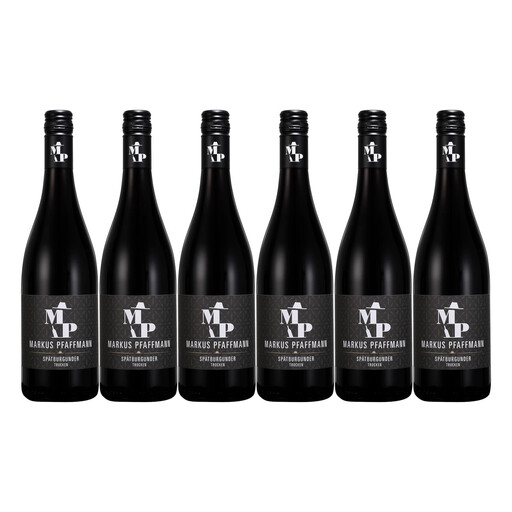
Why This Fits Their Persona: For anyone who appreciates a high-quality German Pinot Noir. This red wine case from Markus Pfaffmann in the Palatinate region represents the silky and complex character of this grape variety.
The QbA (Qualit?tswein bestimmter Anbaugebiete, or quality wine from a designated region) level is a legally defined standard. The description is precise (plums, raspberries, a good length on the finish) and avoids the trap of vague advertising language.
A classic, varietally-true profile of a Palatinate Pinot Noir. The winery is a member of Fair'n Green for sustainable viticulture and uses vegan vinification methods.
We have compiled a complete, up-to-date list of products that fully meet these strict selection criteria and German regulations.
A red wine case should be stored in a cool, dark place with a constant temperature (ideally 10–15°C / 50–59°F). Bottles with natural corks should be stored on their side to keep the cork moist and prevent it from drying out. Wines with screw caps can also be stored upright. Avoid direct sunlight and significant temperature fluctuations.
The term "dry" (trocken) is legally regulated in Germany. A dry red wine can have a maximum of 4 grams per litre (g/L) of residual sugar. An exception allows up to 9 g/L if the total acidity is no more than 2 g/L lower than the residual sugar content. This designation is a reliable indicator that the wine will not taste sweet.
Yes, buying online offers several advantages. You have access to a much larger selection than in a local shop, including wines from smaller, specialised wineries. It's also convenient to have a case of 6 red wines or more delivered directly to your home. By paying attention to the objective criteria mentioned here, you minimise the risk of a bad purchase and can specifically search for wines that match your taste profile.