
Lieferung heute & morgen

Qualitätsgarantie

Willkommens-Angebote freischalten: KOSTENLOSE Lieferung | Bis zu 80 % RABATT | Kostenlose 30-Tage-JoyPlus-Testphase
App herunterladen
The selection of red wine available online is vast and can quickly become overwhelming. Navigating tempting offers and prestigious names to make an informed decision isn't always easy. As your Joybuy Product Recommendation Officer, I'm here to help you avoid the common pitfalls and find the perfect wine for your taste and occasion.
Before we get to the recommendations, it's important to understand three common hurdles that often lead to an unsatisfying purchase:
To make a great choice, you should focus on objective characteristics. These three criteria are a reliable compass in your search for the right red wine.
The grape variety is the primary determinant of a wine's aroma and flavour. A basic understanding of the most common varieties is a huge help in making your selection:
The designation of origin provides information about the geographical source and the associated legal production standards. These seals are reliable indicators:
The term dry red wine is the most common and means that the grapes' sugar was almost completely converted into alcohol during fermentation. Other important characteristics include:
Here you'll find a selection of wines tailored to different profiles and needs, all of which meet the quality criteria mentioned above.
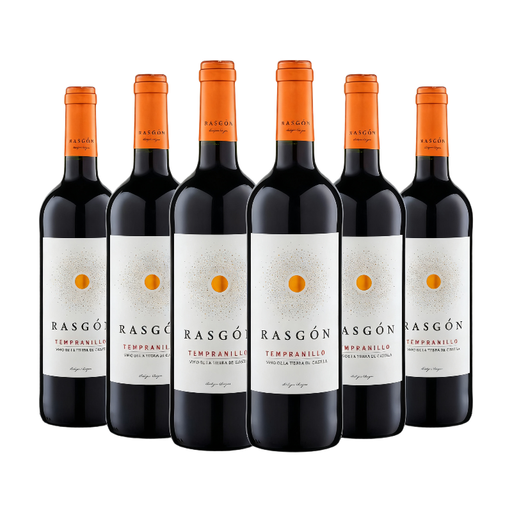
Why This Fits Their Persona: This red wine case is ideal for anyone looking for a straightforward and reliable everyday wine. This Tempranillo from the Castilla-La Mancha region is an approachable Spanish red wine that pairs well with many dishes and offers excellent value for money.
This wine relies on a clear origin and the typical characteristics of the Tempranillo grape, rather than hiding behind an elaborate label or a questionable discount. You get consistent quality in a convenient case.
Pronounced blackberry aromas; soft and fruity profile; versatile food pairing.
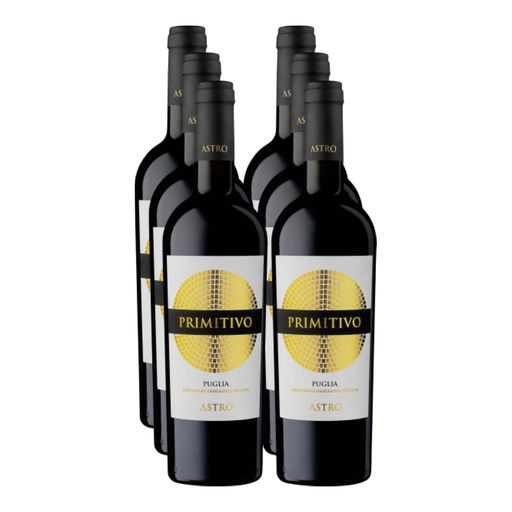
Why This Fits Their Persona: Those who appreciate the characterful, sun-drenched flavours of Southern Italy will find their perfect match here. This Primitivo is a prime example of the grape and the Puglia region: full-bodied, velvety, and packed with intense aromas of ripe fruit and spices.
The IGP classification (PGI) guarantees its origin in Puglia and adherence to regional standards. The wine delivers exactly what you'd expect from a Primitivo, without hiding behind vague quality promises.
Full-bodied and velvety texture; intense aromas of ripe red fruits, spices, and vanilla; ideal with hearty dishes.
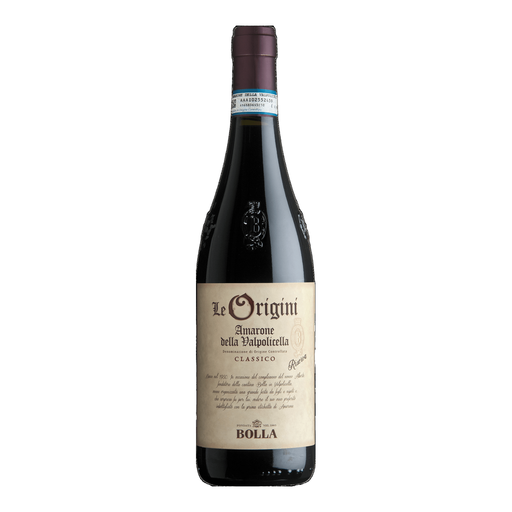
Why This Fits Their Persona: For special occasions or as a gift, this Amarone is an excellent choice. As a top-tier Italian red wine, it offers immense complexity and depth, resulting from the labor-intensive Appassimento method, where grapes are dried before pressing.
Its classification as a DOCG Classico Riserva is the highest legal guarantee of origin and quality. The price is justified by the verifiably complex production process and the exceptional concentration of flavours.
Deep garnet red; complex bouquet of wild cherries, jam, and vanilla; full-bodied, harmonious taste with notes of oak and chocolate.
We have compiled a complete, up-to-date list of products that fully meet these strict selection criteria and all relevant regulations.
The ideal storage for red wine is in a cool, dark place with a constant temperature, preferably between 12°C and 16°C (53°F and 61°F). Bottles should be stored on their side to keep the cork moist and prevent it from drying out. Avoid places with significant temperature fluctuations, direct sunlight, or vibrations.
A dry red wine contains a very small amount of residual sugar. According to EU law, a wine can be labelled "dry" if its residual sugar content does not exceed 4 grams per litre (or up to 9 g/l if the total acidity is no more than 2 g/l below the residual sugar content). In terms of taste, this means there is no perceptible sweetness.
A classic rule of thumb is: pair powerful red wines with powerful dishes. A Cabernet Sauvignon or an Amarone pairs well with red meat, stews, or strong cheeses. A lighter red wine, like a simple Chianti or Merlot, harmonises well with pasta, pizza, or white meats like poultry. Ultimately, however, the best pairing is always the one you personally enjoy the most.