
Lieferung heute & morgen

Qualitätsgarantie

Willkommens-Angebote freischalten: KOSTENLOSE Lieferung | Bis zu 80 % RABATT | Kostenlose 30-Tage-JoyPlus-Testphase
App herunterladen
A 6 x 0.75 l pack of red wine contains 4.5 litres and is a practical choice for stocking up, celebrations or regular meals. Buying a six-pack can be convenient, but there’s a common pitfall: if you choose based only on price or the label, you could end up with six bottles that don’t suit your taste or the dishes you have planned.
“Fruity” doesn’t automatically mean a sweet red wine. Many dry wines have cherry, berry or plum aromas but contain very little residual sugar. So, if you’re looking for an easy-drinking, sweeter style, check specifically for the word “sweet” or look at the residual sugar content.
Conversely, a dry red wine such as Merlot, Cabernet Sauvignon or Tempranillo can have fruity notes. The grape variety alone, then, doesn’t reliably tell you what the wine will taste like.
Italian, Spanish, French and South African red wines often differ in their grape varieties, climate, winemaking and regional styles. But the country of origin isn’t the only measure of quality. An Italian Sangiovese can taste noticeably fresher than a Merlot aged in barriques. A South African Pinotage may be fuller-bodied than a light Austrian Zweigelt.
It’s more useful to consider origin, grape variety, alcohol content and ageing together.
A six-pack of red wine isn’t automatically cheaper than six individual bottles. Compare the price per 0.75-litre bottle, any delivery costs and the actual volume. Some offers, for example, contain 1-litre bottles, so they aren’t directly comparable with a 6 x 0.75 l pack.
Remember to factor in storage, too: keep unopened bottles in a cool, dark place, away from direct sunlight and significant temperature changes.
These broad categories can help you narrow down your options:
Use these descriptions as a guide. Your experience of a wine and how well it pairs with food also depend on serving temperature and preparation.
The grape variety shapes a wine’s aromas, acidity and tannin structure. Merlot is often associated with rounded, dark fruit notes. Cabernet Sauvignon can have spicy aromas and more noticeable tannins. Tempranillo from Spain often combines fruit with notes of oak. Sangiovese from Italy is known for its more pronounced freshness, while Zweigelt from Austria is usually described as fruit-forward and easy-drinking.
If you’re looking for something different, you could also choose organic red wine. Gérard Bertrand Change Organic Cabernet Sauvignon, for example, lists the organic control body FR-BIO-01. Check the specific product listing for the organic certification or control body number.
The selected products, for example, range from 12 to 14.5 % vol. A higher figure doesn’t automatically mean a fuller flavour or a better match for you. However, it’s still worth considering when planning meals and thinking about your own consumption.
Red wine often contains sulphur dioxide and sulphites, which must be declared as allergens. Other details, such as nutritional information, ingredients, closure type and storage advice, may vary by product. In Germany, alcoholic drinks cannot be sold to anyone below the legal minimum age. Pregnant women should avoid alcoholic drinks.
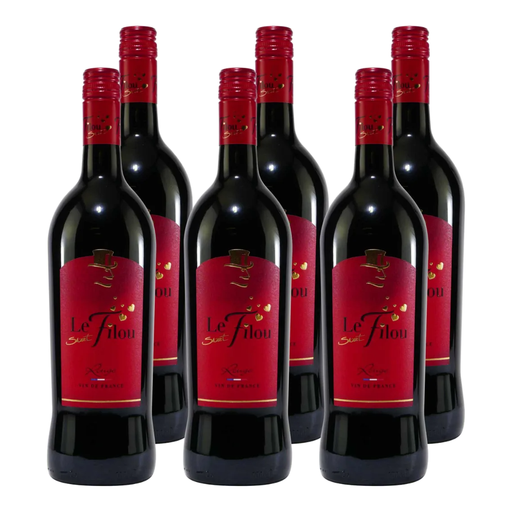
Why this product suits this profile: This French red wine is labelled as sweet and comes in six 0.75 l bottles. That makes it easier to check whether the style is right for you before buying.
The description “Sweet Red Wine” sets it apart from dry wines that are described as merely fruity.
6 x 0.75 l, 12 % vol., French origin and a clearly stated sweet style.
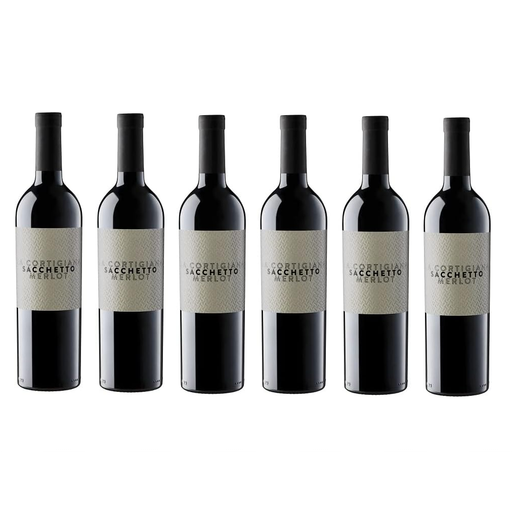
Why this product suits this profile: According to the product details, this Italian Merlot from Veneto was aged in barriques for 12 months and has an alcohol content of 13 % vol.
Details of the grape variety, origin, bottle count and ageing provide a clear basis for comparison rather than a vague promise of quality.
Merlot, aged in barriques for 12 months, 6 x 0.75 l and 13 % vol.
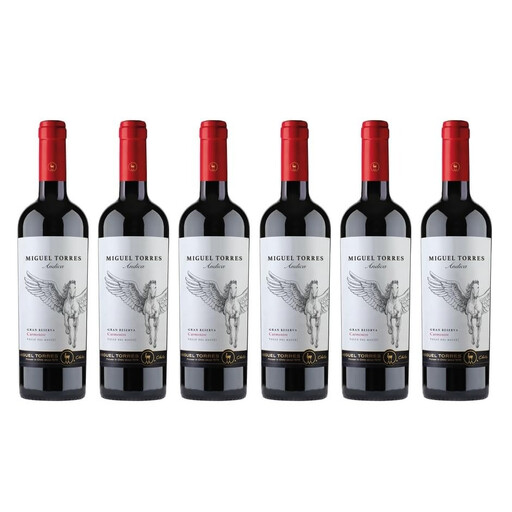
Why this product suits this profile: With a total of 4.5 litres, this six-pack is suitable for regular meals and stocking up. The Carmenère grape variety is listed at 13.5 % vol.
The “Organic” description is backed up by the listed organic control information, and sulphites are clearly declared.
Organic control body FR-BIO-01, Carmenère, 6 x 0.75 l and 13.5 % vol.
For a Spanish red to serve with dishes such as slow-cooked meals, beef or lamb, Torres Sangre de Toro Reserva is another option. It is described as a dry Tempranillo from Catalonia, with 14–14.5 % vol. and oak cask ageing. For rich dishes, serving it at 14–18 °C is worth bearing in mind.
We’ve put together a complete, regularly updated list of products that meet these strict selection criteria and fully comply with the safety regulations applicable in the EU.
Six bottles of 0.75 l contain a total of 4.5 litres. That’s six standard bottles. Check the bottle size in the listing, as some red wines are also available in 1-litre bottles.
That depends on the bottle price, delivery costs and the offer. Divide the total price by six, and also check the price per litre. A six-pack is most worthwhile when the grape variety, sweetness and occasion suit your tastes and drinking habits.
Fuller-bodied wines such as Cabernet Sauvignon, Tempranillo or Carmenère often pair well with grilled or slow-cooked meat. Merlot and Sangiovese can also go well with hard cheese. For a milder, sweeter pairing with dessert or mild cheese, a red wine specifically labelled as sweet may be a better choice.