For a toddler’s snack, the form matters more than a ‘reduced-fat’ label. The Healthy Start – Young Family Network recommends nut butter or finely ground nuts instead of whole nuts and pieces of nuts. Choose smooth nut butter, or stir finely ground nuts into a moist food, then check the ingredients and allergen information. Lower fat doesn’t automatically make peanut puffs a suitable choice for toddlers: the Federal Institute of Public Health advises against buying peanut puffs and salted nuts for this age group.
Who this choice matters to
Parents looking for a suitable form of nuts
If you’d like to offer nuts at snack time, their texture matters. The Healthy Start – Young Family Network recommends nut butter and finely ground nuts as alternatives to whole nuts and pieces of nuts. Ground nuts should be mixed into a moist food.
Parents who check the ingredients
You’d like to choose a simple nut butter rather than a sweet, salty or seasoned snack. What matters is the ingredients list for the specific product, not just the nut shown on the packaging.
Parents who want to understand ‘reduced-fat’ claims
You’re comparing the fat content of nut snacks, but also want to know whether their form, ingredients and salt content are right for your toddler’s snack time. A reduced-fat claim won’t answer these questions.
What to look for when buying
For a toddler, check the form first, then the ingredients. A fat-content claim is only useful when comparing similar products; it doesn’t replace either of these checks.
| Criteria | What to check when buying | Who it matters to |
|---|
| Texture |
Choose smooth nut butter without pieces, or buy finely ground nuts to stir into a moist food. |
I’d like to offer nuts without giving my toddler whole nuts or pieces. This form is a priority for around 50% of consumers. |
| Ingredients |
For nut butter, check the ingredients list for added sugar, salt and other fats. |
I’m looking for a simple recipe for snack time rather than a seasoned snack product. This is the top priority for around 30% of consumers. |
| Fat content |
For a ‘reduced-fat’ claim, check what it’s compared with, as well as the fat and salt per 100 g and the ingredients list. |
If a reduced-fat claim catches my eye, I want to know what the product is being compared with and what kind of snack it is. Around 20% of consumers put this into context first. |
Common mistakes
-
Assuming ‘reduced-fat’ means suitable for toddlers
A reduced-fat claim describes a comparison. It doesn’t tell you whether the texture is suitable for a toddler or how the product is seasoned.
Choose the form first and read the ingredients list. Use the fat comparison only as extra information when comparing similar foods.
-
Offering whole nuts or pieces of nuts as a snack
The Healthy Start – Young Family Network warns that whole nuts, almonds and pieces pose a risk of choking or inhalation for toddlers. Nut butter with pieces doesn’t solve the problem of the chunky texture either.
For snack time, choose smooth nut butter or finely ground nuts mixed into a moist food.
-
Serving ground nuts dry
Fine nut flour isn’t automatically a suitable snack just because it contains no whole nuts: dry powder can be inhaled.
Stir finely ground nuts into yoghurt or porridge, or use them in baked goods, rather than offering the powder on its own.
-
Overlooking allergen information
Peanuts and tree nuts can cause allergies. Even if the recipe is simple, the information on the specific pack is what matters.
If your toddler has a known allergy to the relevant nut, don’t offer the product. Before buying, check the ingredients, highlighted allergens and any ‘may contain’ warnings.
Brands to help guide your choice
EDEKA Bio My Veggie
The peanut butter described by EDEKA is one example of a product with a short ingredients list. This information doesn’t necessarily apply to other products from the brand.
- EDEKA lists roasted peanuts as the ingredient in this peanut butter.
- It contains peanuts. Check the texture and all allergen and ‘may contain’ information on the specific pack.
Seeberger
Seeberger describes its almond butter as made with 100% roasted almonds. Other spreads in the range have different recipes.
- The information about this almond butter makes it easier to check this specific variety.
- Don’t assume other varieties have the same ingredients or texture; check the information on each pack.
Nut products to prepare
These Joybuy products cover two different options for toddler snack time: peanut butter, which should be checked for texture before serving, and ground hazelnuts to mix into moist foods. Neither product is described here as reduced-fat.
 No image available
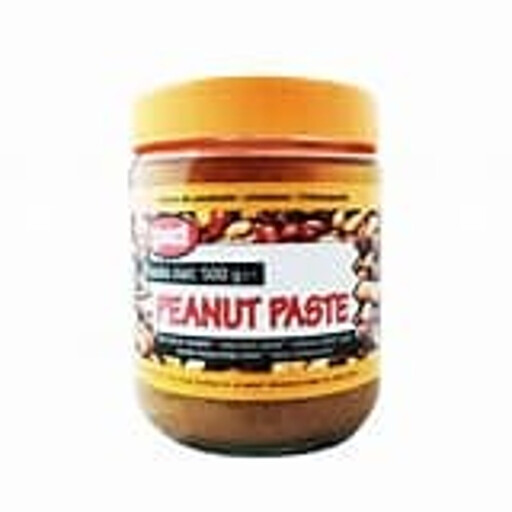
PCD Peanut Butter 100% Sugar-Free, 500 g
As peanut butter, this product could be used as a thin spread or stirred into a moist food, provided it’s smooth and contains no pieces. The pack contains 500 g; check the ingredients and allergen information on the specific pack. Don’t offer it to anyone with a known peanut allergy.
View on Joybuy
 No image available
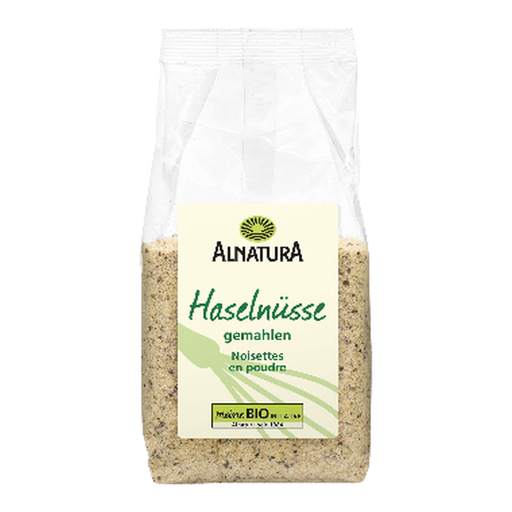
Alnatura Organic Ground Roasted Hazelnuts, 150 g
Ground hazelnuts can be stirred into a moist food if they’re fine enough; don’t serve them dry as a powder to a toddler. The product name specifies roasted hazelnuts and a 150 g pack. Check the allergen information; don’t offer the product to anyone with a known allergy to hazelnuts.
View on Joybuy
Frequently asked questions
Can my toddler snack on whole nuts or pieces of nuts?
No. The Healthy Start – Young Family Network warns that whole nuts, almonds and pieces pose a risk of choking or inhalation for toddlers. Nut butter or finely ground nuts mixed into a moist food are different ways to serve them.
Can I serve ground nuts dry?
No. Dry nut flour can be inhaled. Instead, stir finely ground nuts into yoghurt or porridge, or use them in baked goods.
Are reduced-fat peanut puffs suitable for toddlers?
No. A reduced-fat claim alone doesn’t make peanut puffs a suitable snack for toddlers. It describes a comparison of fat content, not the form of the food or its other ingredients. The Federal Institute of Public Health advises against buying peanut puffs and salted nuts for toddlers.
What should I check if my toddler has a nut or peanut allergy?
If your toddler has a known allergy to the relevant nut or peanut, don’t offer the product. Check the ingredients, highlighted allergens and any ‘may contain’ warnings on every specific pack; a short ingredients list doesn’t replace these checks.


