
Lieferung heute & morgen

Qualitätsgarantie

Willkommens-Angebote freischalten: KOSTENLOSE Lieferung | Bis zu 80 % RABATT | Kostenlose 30-Tage-JoyPlus-Testphase
App herunterladen
Rapeseed oil is a versatile vegetable oil that has become a staple in many kitchens. Its applications range from cold dishes like salads to high-heat searing. However, choosing the right product depends critically on its production method and intended use. This guide analyses the technical differences and presents a selection of products for specific needs.
The decision on which rapeseed oil you should buy is based on objective parameters. The two key distinguishing features are the production method and the resulting smoke point.
The method of oil extraction significantly determines the properties of the final product.
Refined Rapeseed Oil: This oil is pressed using heat and then refined, meaning it is filtered, de-acidified, and deodorised. This process removes unwanted impurities. The result is a neutral-tasting, light yellow oil with a high smoke point of around 205°C (401°F). It is therefore ideal for frying, baking, and deep-frying.
Cold-Pressed (Virgin) Rapeseed Oil: Here, the rapeseed is pressed purely mechanically without significant heat, keeping the temperature below 40°C (104°F). This preserves valuable nutrients like vitamins and phytochemicals, as well as the characteristic golden-yellow colour and nutty flavour. The smoke point is lower, at about 130–190°C (266–374°F). Cold-pressed rapeseed oil is perfect for cold dishes, such as salad dressings, dips, and marinades, or for gently sautéing vegetables. Organic rapeseed oil is typically cold-pressed.
Rapeseed oil is distinguished by its beneficial fatty acid profile. It contains a high proportion of monounsaturated fatty acids (oleic acid) and polyunsaturated fatty acids. Particularly relevant is the ratio of Omega-6 to Rapeseed Oil Omega-3 fatty acids (alpha-linolenic acid), which is considered nutritionally favourable. Cold-pressed oils retain a higher percentage of these delicate fatty acids.
Based on the criteria mentioned, we present three rapeseed oil products for different areas of application.
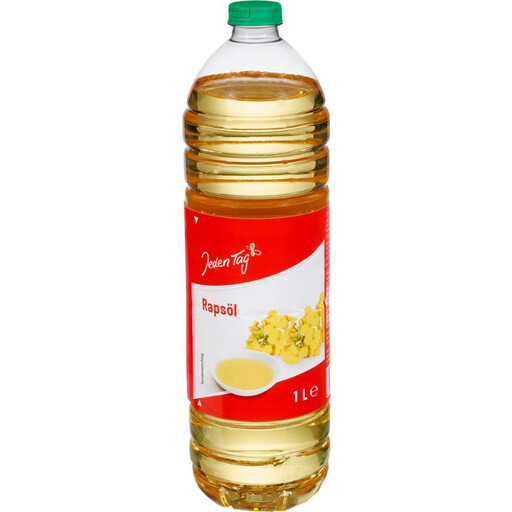
Why we recommend this product This refined rapeseed oil is a functional all-rounder due to its heat resistance and neutral flavour. It is suitable for a wide range of cooking methods where a neutral fat is required.
Advantages:
Who it's for:
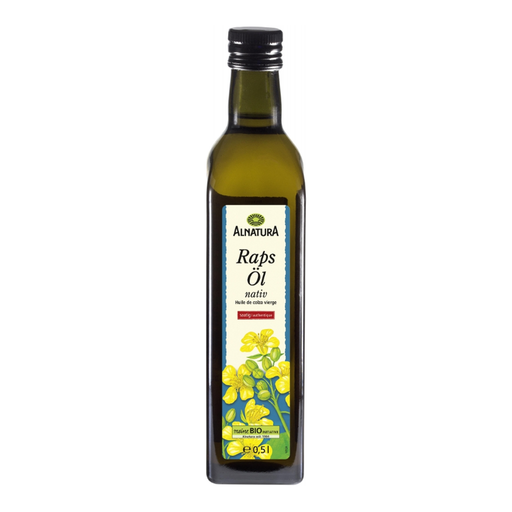
Why we recommend this product Alnatura Rapeseed Oil is a cold-pressed, virgin oil from organic farming. It preserves the natural, nutty taste and valuable nutrients of the rapeseed, making it ideal for health-conscious cold cuisine.
Advantages:
Who it's for:
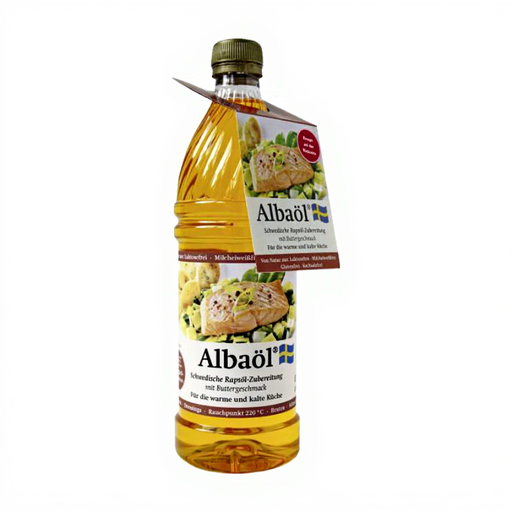
Why we recommend this product Alba?l is a special rapeseed oil-based preparation that mimics the taste and aroma of butter. It is a 100% plant-based formula suitable for both cold and hot dishes and has a high concentration of unsaturated fatty acids.
Advantages:
Who it's for:
While rapeseed oil impresses with its versatility, other oils offer specific properties for special use cases. For example, if you are looking for an oil with traditional applications in cosmetics or for special dietary purposes, our selection of castor oil might be of interest to you.
1. Can you fry with any rapeseed oil? No. For searing at high temperatures, only refined rapeseed oil should be used, as it has a high smoke point (approx. 205°C / 401°F). Cold-pressed rapeseed oil has a lower smoke point and should not be overheated. It is suitable for cold dishes or for gentle sautéing at low heat.
2. How can I identify a good cold-pressed rapeseed oil? A high-quality cold-pressed rapeseed oil is characterised by a clear, golden-yellow colour and a fresh, nutty, seed-like aroma and taste. A dull or rancid smell indicates improper storage or that the oil is past its prime. Look for a dark bottle, as it protects the oil from light and preserves its quality for longer.
3. What are the objective advantages of rapeseed oil compared to other vegetable oils? Rapeseed oil has a specific fatty acid profile with a high content of monounsaturated oleic acid and a favourable ratio of Omega-6 to Omega-3 fatty acids. Refined rapeseed oil combines this nutritional profile with a high smoke point, making it a very versatile oil for hot cooking. Other oils like olive oil (lower smoke point in virgin varieties) or sunflower oil (often a higher Omega-6 content) have different specific properties and areas of application.