
Lieferung heute & morgen

Qualitätsgarantie

Willkommens-Angebote freischalten: KOSTENLOSE Lieferung | Bis zu 80 % RABATT | Kostenlose 30-Tage-JoyPlus-Testphase
App herunterladen
Buying a new refrigerator is a major decision. The appliance runs around the clock, significantly impacting your daily life and electricity bill. But the market is flooded with marketing promises and technical jargon that make choosing difficult. Many buyers only realise months later that they've fallen into one of several common traps.
As your Joybuy Product Recommendation Officer, I'm here to help you navigate these pitfalls. We'll focus on the facts so you can find an appliance that truly fits your needs.
The 3 Most Common Mistakes When Buying a Refrigerator:
To avoid a bad purchase, you should focus on three core aspects. These determine whether a refrigerator is a good long-term choice for your household.
Choosing the right type and volume is fundamental. Measure the available space precisely, and plan for about 5-10 cm on the sides and back for ventilation.
As a rule of thumb for usable capacity:
Since 2021, the new EU energy label with classes from A (very efficient) to G (less efficient) has been in effect. An energy-efficient refrigerator may be more expensive to buy, but the investment pays off over the years through a lower electricity bill. Pay attention to the annual consumption in kilowatt-hours (kWh/annum) indicated on the label. A Class C appliance can lead to significant savings over a 10-15 year lifespan compared to a Class E appliance.
No Frost and Manual DefrostingThe cooling technology directly impacts maintenance effort and the shelf life of your food.
Here are some models that are tailored to specific needs and cleverly avoid the common pitfalls.
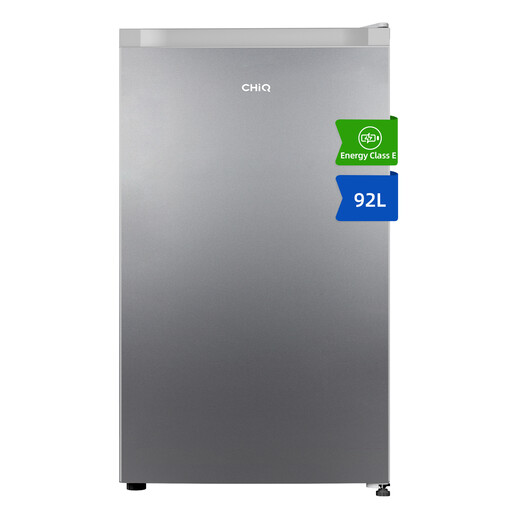
Why This Fits Their Persona: Ideal for students or one-person households where every centimetre counts. Its slim design and well-thought-out interior provide enough space for a weekly shop without dominating the kitchen.
Avoids the "wrong size" trap. At just 47 cm wide with 92 litres of usable capacity, it's perfectly sized for small kitchens, preventing energy waste from unused space.
Features a practical chill drawer for delicate foods and a mechanical 7-setting temperature control for simple operation. The door is reversible for flexible placement.
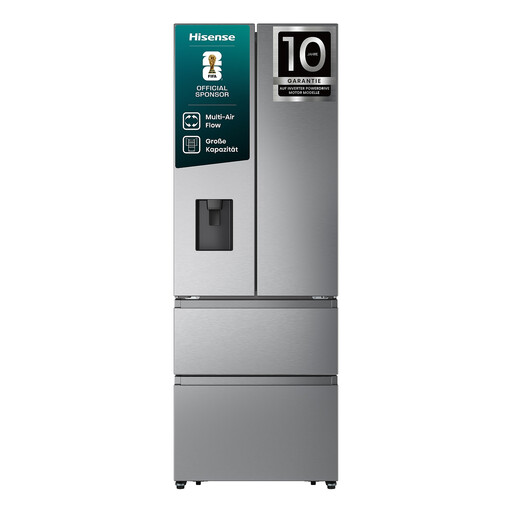
Why This Fits Their Persona: Families need plenty of storage and good organisation. With a total capacity of 485 litres, this French Door model offers enormous space and a clear separation between the fridge and freezer sections.
Offers useful, but not overloaded, features. The water dispenser and NoFrost Plus technology are genuine everyday conveniences without inflating the price with rarely used smart features.
Very quiet operation at just 38 dB thanks to the inverter compressor. Special compartments like the CrispZone with humidity control are proven to keep fruit and vegetables fresh for longer.

Why This Fits Their Persona: For campers, lorry drivers, or for use in a garden shed. This portable compressor cooler box provides true cooling and freezing performance wherever a power source is available.
Solves the mobile cooling problem without relying on unreliable thermoelectric boxes. The compressor ensures a consistent temperature from -20℃ to +20℃, regardless of the ambient temperature.
Flexible operation with 12/24V DC (car) and 100-240V AC (mains socket). The three-stage battery protection prevents draining the car battery. App control is a handy extra.
We have compiled a complete, up-to-date list of products that fully meet these strict selection criteria and German safety regulations.
1. What is the average lifespan of a refrigerator? The average lifespan of a modern refrigerator is about 10 to 15 years. The actual duration depends on the quality of the appliance, its usage, and regular maintenance. A high-quality inverter compressor can tend to extend the lifespan.
2. What does the noise level specification in decibels (dB) mean? The noise level indicates how loud the refrigerator is during operation. This is particularly important in open-plan kitchens.
3. Why does a new refrigerator need to stand upright after transport? During transport, especially if laid flat, the oil from the compressor can spread into the cooling circuit. If the appliance is switched on immediately, the compressor can be damaged. By letting it stand for at least 4-6 hours (check the manufacturer's instructions in the manual), the oil can flow back into the compressor, ensuring safe operation.