For individual portions of mashed potato, a solo microwave with easy-to-use power settings is usually sufficient. For large or square bowls, the key question is whether they actually fit inside the cooking cavity and can move freely on the turntable. Programmes and a flat base are no substitute for stirring: the German Federal Institute for Risk Assessment (BfR) recommends heating reheated food to 70 °C for at least two minutes throughout. According to the BfR, chilled leftovers should be eaten within two to three days, not kept for a week.
Which microwave is right for you?
For reheating individual portions
If you want to reheat chilled mashed potato in individual portions, look for easy-to-select power settings and remember to stir the food part-way through. The BfR recommends heating reheated food to at least 70 °C for two minutes throughout.
For batch cooks with large bowls
Compare the dimensions of your microwave-safe bowl with the usable cooking cavity and, where applicable, the turntable. When it comes to pre-cooked leftovers, proper chilling and the BfR’s recommended consumption period of two to three days also matter.
For kitchens with limited worktop space
Check that the freestanding appliance, including the clearances specified in the manual, will fit in the space you have in mind. Manual dials and automatic programmes are different ways of operating a microwave; consult the manual for the specific model to help you choose.
What should you look for when buying?
For mashed potato, power settings and whether your bowl fits matter more than unsubstantiated promises of especially even heating. The BfR recommends heating food to 70 °C throughout for at least two minutes when reheating it, so stirring part-way through is important whatever the appliance design.
| Buying priority |
What to check |
Who is it important for? |
| Controlled heating |
Check the power settings and whether you can pause the microwave; stir the mash and heat it thoroughly. |
When I’m reheating thick mash, I want to set the power myself and be able to stir it part-way through. Around 36 % of consumers say controlled heating is their main buying priority. |
| Bowl fit |
Compare your bowl’s dimensions with the cooking cavity and, if there is one, the turntable diameter. |
If I want to use a larger or square bowl, the actual usable space matters more to me than the stated capacity alone. Around 29 % of consumers prioritise whether their dish will fit. |
| Worktop space and positioning |
Check the external dimensions, door opening and clearances specified in the manual for the specific model. |
With limited worktop space, I want to know in advance whether the appliance will fit, including the required clearances. Around 21 % of consumers prioritise the space available. |
| Extra features |
Consider whether you need a grill or convection cooking for other dishes; check what accessories are included. |
If I regularly want to brown or bake food as well as reheat mash, extra features may be useful. Around 14 % of consumers prioritise versatile cooking. |
Avoiding common assumptions
-
Relying on powerful reheating to make up for a week in the fridge
A higher microwave power setting cannot fix food that has been stored improperly or for too long. The BfR says that the risk of microbial contamination increases the longer food is stored.
Chill pre-cooked leftovers promptly and, as recommended by the BfR, eat them within two to three days. Make separate arrangements if you want to store food for longer.
-
A 20-litre cooking cavity means any bowl will fit
The stated cavity capacity doesn’t tell you whether a wide or square bowl will fit on a turntable and rotate freely.
Measure your microwave-safe dish and compare its dimensions with the usable interior and, where applicable, the turntable.
-
A flat base or inverter guarantees evenly heated mash
A manufacturer’s claim about heat distribution doesn’t prove that every part of a particular portion will be hot enough.
Stir the food part-way through and check the temperature throughout, whatever the appliance design.
-
Choosing a grill or convection function just for mash
There’s no proven benefit to these extra cooking functions when you’re simply reheating mashed potato.
Choose extra features based on the other dishes you regularly prepare, and take the space available into account.
A guide to the key brands
CASO Design
The M20 Ecostyle Pro is a solo microwave with a turntable and manual power selection.
- According to CASO Design: 20 l, 800 W, six power settings and a turntable with a diameter of 24,5 cm.
- Check that your bowl fits on the turntable and can rotate freely; the specifications don’t demonstrate any particular suitability for mashed potato.
Severin
According to the manufacturer, the MW 7761 is a solo model without a turntable that may suit larger or square dishes.
- Severin lists a 20 l capacity, 800 W, two rotary dials and a flat base.
- The model page refers to both a ‘glass base’ and a ‘ceramic base’. This doesn’t independently prove that it heats mash especially evenly.
Bosch
The freestanding FFL023MW0 combines manual power selection with automatic programmes.
- According to Bosch: 20 l, maximum 800 W and seven programmes.
- There’s no evidence that the programmes are specially suited to mashed potato. Check the positioning and ventilation clearances in the manual for your model.
Panasonic
The NN-SD36 range is a solo alternative with a larger cooking cavity and inverter power control.
- For the NN-SD36 range, Panasonic lists a 29 l capacity, 1.000 W, seven power settings and eleven automatic programmes.
- These specifications don’t demonstrate an independently verified advantage when reheating mash. The manufacturer’s website lists the NN-SD36QSEPG variant as unavailable.
Joybuy products for mashed potato and bowls
The Joybuy products below include a range of solo microwaves with manual power settings or automatic functions. Before choosing, compare your bowl’s dimensions with the turntable and check the positioning clearances required for the specific model.
 No image available
Severin MW 7580 solo microwave
For reheating individual portions with selectable power settings; check that your bowl fits on the turntable.
19 l; 700 W; six power settings; inverter; turntable with a diameter of 24,5 cm.
View at Joybuy
 No image available
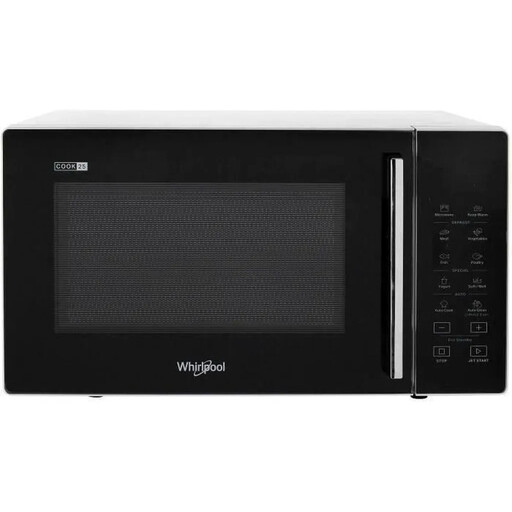
Whirlpool MWP 251 SB solo microwave
An option if you want to use power settings and pre-set programmes; check that your bowl fits on the turntable.
25 l; 900 W; seven power settings; seven automatic cooking programmes; turntable with a diameter of 27 cm.
View at Joybuy
 No image available
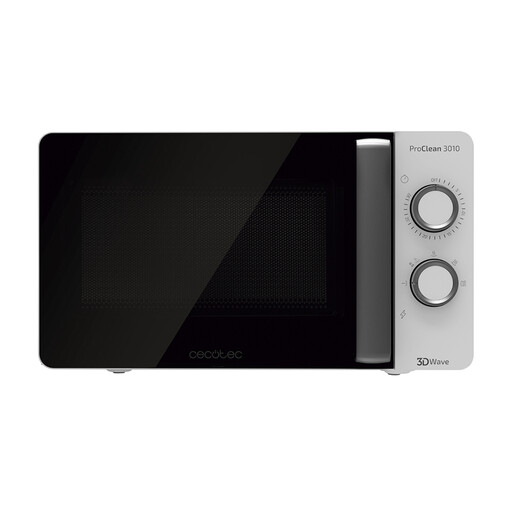
Cecotec countertop microwave, 20 l
For manual power selection; stir the mash while reheating and check the positioning instructions.
20 l; 700 W; six power settings. The product description specifies minimum clearances of 10 cm at the back, 5 cm at the sides and 20 cm above.
View at Joybuy
 No image available
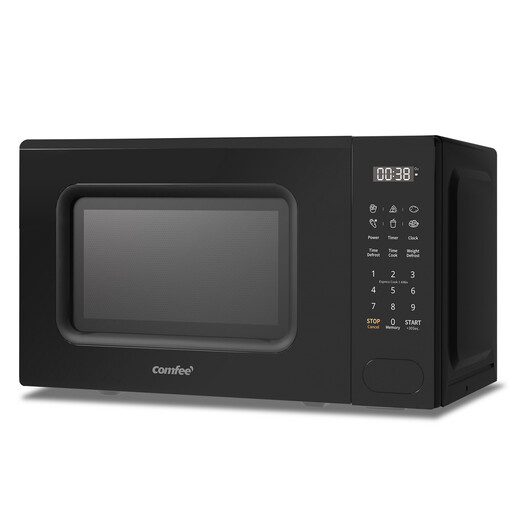
COMFEE CM-E202CC(BK) digital microwave
Choose between manually set power and pre-set programmes; compare the appliance dimensions with your available space.
20 l; 700 W; eleven power settings; six pre-set menus.
View at Joybuy
 No image available
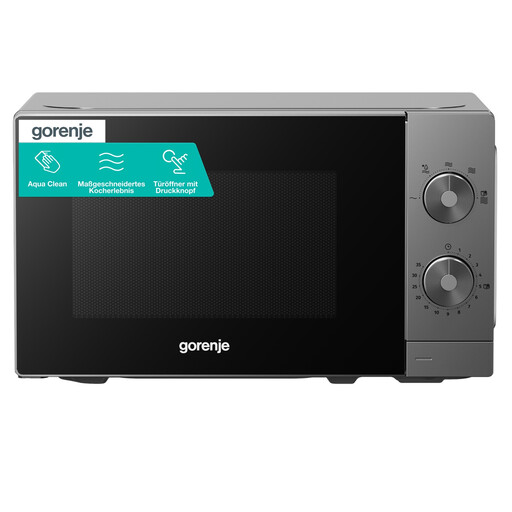
Gorenje MO20E1T4 microwave
For manual power selection; check the turntable diameter against your bowl.
20 l; 700 W; five power settings; turntable with a diameter of 25,5 cm.
View at Joybuy
Frequently asked questions
Can I keep mashed potato from the supermarket in the fridge for a week and then reheat it?
No. The BfR recommends eating chilled leftovers within two to three days. When reheating mash, stir it and heat it to at least 70 °C for two minutes throughout.
What type of dish should I use for mashed potato in the microwave?
Use a dish that the manufacturer states is microwave-safe, and follow its temperature and wattage limits. Also check that it fits inside the cooking cavity and that any turntable can rotate freely.
Can I fit a freestanding microwave tightly into a shelf?
Don’t decide based on the external dimensions alone. Check the positioning and ventilation instructions in the manual for the specific model; the Bosch manual explicitly covers these requirements.
Who is responsible if the microwave develops a fault after purchase?
Your statutory rights against the seller apply to covered faults, and are separate from any voluntary manufacturer’s warranty. The European Union’s consumer information states that the statutory guarantee generally lasts for two years from receipt of the goods.
What are the safety and disposal rules for microwaves in Germany?
Mains-powered household appliances covered by the EU Low Voltage Directive must meet the relevant safety requirements and CE marking rules; the CE mark is not an independent quality seal. A microwave that has reached the end of its life is electrical waste and must not go in household rubbish. Take it to an appropriate return point or local collection service instead.


