
Lieferung heute & morgen

Qualitätsgarantie

Willkommens-Angebote freischalten: KOSTENLOSE Lieferung | Bis zu 80 % RABATT | Kostenlose 30-Tage-JoyPlus-Testphase
App herunterladen
Cleaning appliances for the home, car and beauty use vary widely in power, materials, operation and maintenance requirements. A device that refreshes upholstery isn’t necessarily suitable for hard floors. Likewise, a compact handheld vacuum can be handy for crumbs in the car, while a rubber brush may be more practical for pet hair on carpets.
Figures such as 15 kPa suction power, 150,000 rpm or a high wattage can look impressive. However, they only tell you part of the story. What matters is whether the nozzles, brushes, filters and container are suitable for the job. For narrow gaps in a car, a slim nozzle is more useful than a large dust container. For upholstery, look for a spray function, a dirty-water tank and controlled suction.
Painted surfaces, glass, leather, textiles, wood and plastic all react differently to moisture, heat and friction. Hard brushes can scratch delicate surfaces. Steam functions aren’t suitable for every material, and a carpet cleaner mustn’t be used on fabrics that are unsuitable or particularly sensitive to moisture. Check the manufacturer’s instructions before buying and before using the appliance for the first time.
Washable filters, replacement brushes and easy-to-clean tanks can reduce ongoing maintenance. Appliances that use water need to be emptied and dried after use, including both the clean- and dirty-water tanks. For cordless appliances, consider charging time, run time and whether a replacement battery is available. Specialist accessories can also affect the overall cost.
For handheld vacuums and car-cleaning appliances, pressure figures aren’t the only things that matter. Check:
According to the product information, the ROUNY handheld vacuum has two speed settings, a washable HEPA filter, a run time of around 25 minutes on low and 12 minutes on high, and both suction and blowing functions. It is explicitly not designed for picking up liquids.
A upholstery cleaner or carpet cleaner should keep clean and dirty water separate. This prevents dirty water that has been collected from being sprayed back onto the fabric. Also check:
The OMESER W07 is listed as having a 1.5-litre clean-water tank and a 0.8-litre dirty-water tank. It combines spraying, brushing and suction. The manufacturer advises not to exceed the MAX mark and not to immerse the main unit in water.
When it comes to beauty treatments and household cleaning, it’s particularly important to check which materials an appliance is suitable for. A hot-air steriliser, for example, is intended only for heat-resistant materials such as metal, glass, porcelain or enamel. The product mentioned operates at 40 to 230 °C, has a timer of 0 to 120 minutes and a capacity of around 2 litres. It is designed for dry use; do not add water. According to the product information, it isn’t suitable for plastic or wood.
With an ultrasonic cleaner, check that jewellery, glasses and other items are compatible with the appliance before cleaning them. Depending on how they’re made, coatings, adhesive joints and delicate components may not be suitable.
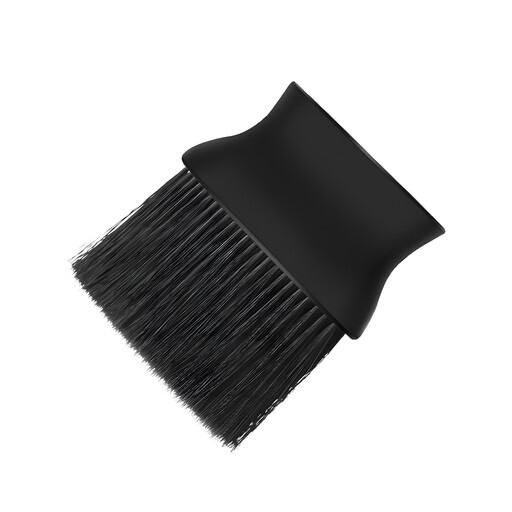
Why this product suits this profile: This compact car-cleaning brush is suitable for air vents, dashboards, consoles and other hard-to-reach areas. It needs neither electricity nor cleaning products.
The soft, flexible bristles are designed to remove dust from gaps. Remove sand and hard particles before use to help prevent scratches.
Compact design, plastic handle and suitable for use in both the car and the home.
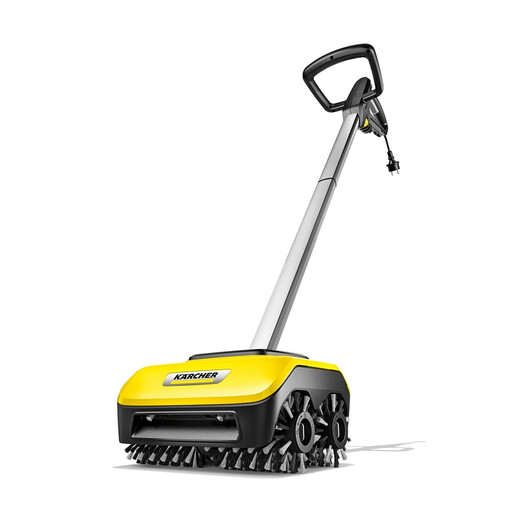
Why this product suits this profile: This patio cleaner is designed for wood and WPC surfaces. It works with rotating brushes and an integrated water-spray system.
The stated 300 mm working width and suitable brush set make its intended use clear. Separate brushes are required for stone patios.
Four counter-rotating brush rollers, an adjustable handle and low water pressure of up to 10 bar, according to the product information.
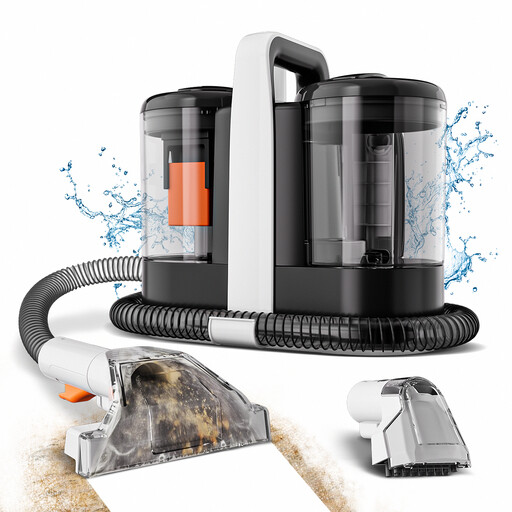
Why this product suits this profile: This portable upholstery cleaner is aimed at households with carpets, sofas, mattresses, car seats or pet hair. It combines three cleaning steps in one appliance.
Separate tanks, a 4.26-foot hose and a stated suction power of 15 kPa make the intended use clear.
Spraying, brushing and suction in one appliance, plus two brush heads according to the product description.
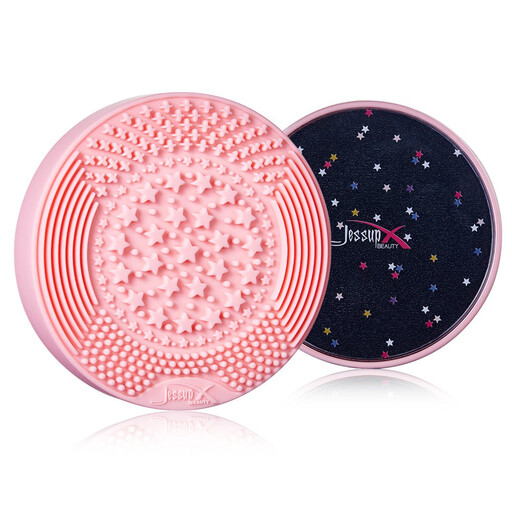
Why this product suits this profile: With a silicone side for wet cleaning and a dry sponge, it’s aimed at make-up users who want to clean their brushes regularly between colours or applications.
The two cleaning methods are clearly separated. According to the description, the dry sponge should only be used with completely dry brushes.
Two functional sides, compact for storage and cleans without an electrical connection.
We’ve put together a complete, regularly updated list of products that meet these strict selection criteria and fully comply with the safety regulations in force in the EU.
Depending on the task, these categories may also be useful:
Handheld vacuums with a crevice tool are suitable for crumbs and dry dust. Car-cleaning brushes can reach air vents and narrow gaps. An upholstery cleaner with spray and suction functions can be useful for seats or floor mats. Test on an inconspicuous area first when cleaning delicate surfaces.
Lifespan depends on how often you use the appliance, filter care, storage and the availability of replacement parts. Wash filters only as directed by the manufacturer, let water tanks dry completely and remove hair from brushes. For cordless appliances, charging cycles and heat affect the usable run time.
With corded appliances, the main running costs are electricity and, where applicable, cleaning products. Cordless appliances need charging and may require a replacement battery over time. Water-based appliances also involve the cost and effort of using water and suitable cleaning products, and cleaning the tanks, hoses and nozzles. So it’s not just the purchase price that matters, but the overall cost of maintenance and accessories.