
Lieferung heute & morgen

Qualitätsgarantie

Willkommens-Angebote freischalten: KOSTENLOSE Lieferung | Bis zu 80 % RABATT | Kostenlose 30-Tage-JoyPlus-Testphase
App herunterladen
Remote-controlled cars vary considerably in their drive systems, controls, materials and intended use. A car that drifts precisely on tiles won’t necessarily be suitable for grass or gravel. Likewise, a highly detailed diecast model car is no substitute for an RC vehicle when active control and speed are what you’re after.
Whether you’re looking for a remote-controlled toy car, a gift for a boy or a collector’s model, don’t just focus on the design and marketing claims. Clear technical details and a suitable use are what matter.
Claims such as ‘high speed’ tell you little about how easy a car is to control on different surfaces. A 4WD RC car with drift tyres usually needs a flat, smooth surface. On carpet, grass or uneven concrete, its handling and range may differ.
A rechargeable RC car is convenient when the battery, charging cable and charging instructions are clearly described. If details such as charging time, approximate run time or battery replacement are missing, it’s hard to judge the ongoing effort involved. Follow the safety instructions for lithium batteries, and don’t leave them unattended or charging for an extended period after they’re full.
A model with small parts, a powerful motor or complex controls may not be suitable for younger children, even if it looks appealing. Check the manufacturer’s age recommendation, warnings and supervision requirements before buying. Many of the stunt cars in this selection are intended for children aged 8 and over. Depending on the model, Diecast and SIKU model cars may be suitable from age 3, but they can also contain small parts.
An RC drift car is therefore not automatically an off-road remote-controlled car. If you want to drive on grass, gravel or small steps, check that the product description specifically lists these as suitable surfaces.
A 2.4 GHz remote control is common on many current RC vehicles. It usually allows you to operate several vehicles without their remote controls interfering with one another, as can happen with older systems. Proportional control is useful for beginners, as it lets you adjust speed and steering more precisely.
Gesture or watch controls add an extra interactive element, but take a little getting used to. Also check whether batteries for the remote control are included and whether the vehicle has a built-in rechargeable battery.
ABS plastic is often used for stunt and drift cars, while metal bodies give Diecast models a realistic feel. A sturdy body won’t prevent every kind of damage, so check the wheels, casing and visible connections before each drive.
For model cars, scale and dimensions matter more than motor power. A Diecast model car in 1:43 or 1:55 scale is better suited to a display cabinet or imaginative play than high-speed racing. Opening doors, a display base and an acrylic cover are features you can check for.
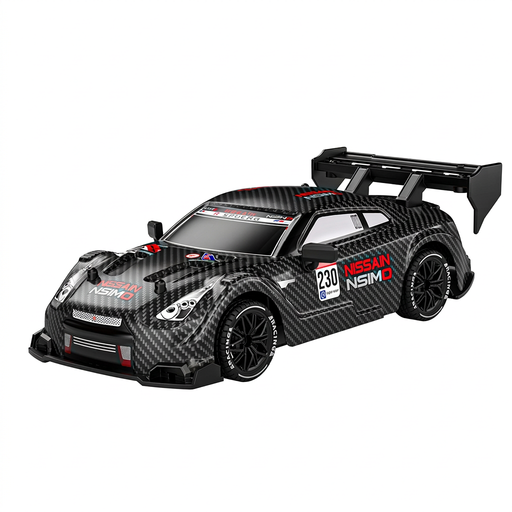
Why it suits this profile: This car combines 4WD with two sets of tyres and a rechargeable lithium battery. Beginners can switch between racing and drifting modes.
The product details specify where it can be used, USB charging, two types of tyres and a run time of around 20 to 40 minutes per charge.
4WD, proportional 2.4 GHz control, LED lights and interchangeable tyres.
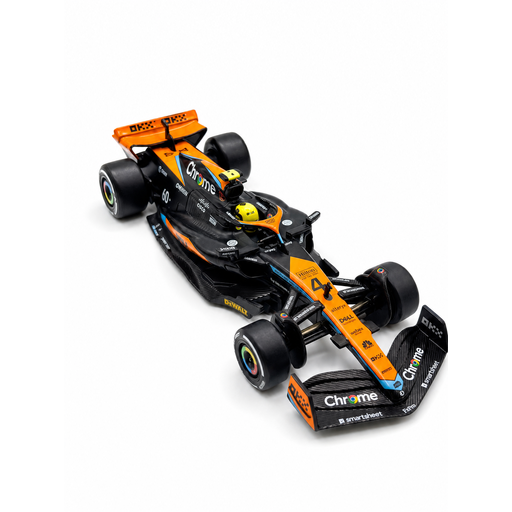
Why it suits this profile: This model is aimed at motorsport fans and collectors who value its scale, paintwork and protective display.
This version comes with a display base and a clear acrylic cover, making it easier to display than a model without protective casing.
1:43 scale Diecast body, racing livery with number and protective storage.
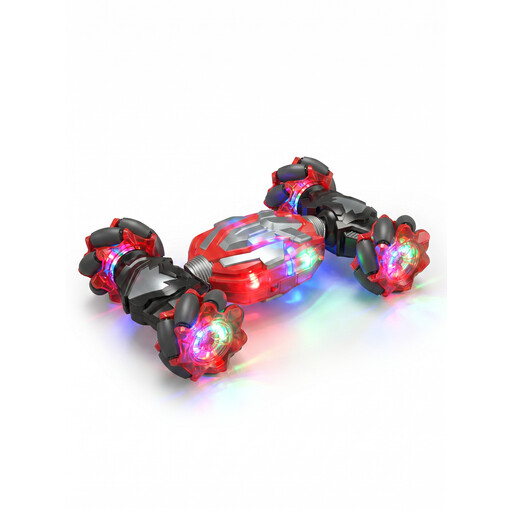
Why it suits this profile: This car is a great option if you want to do more than race: drift sideways, tackle obstacles and try out different ways of controlling it.
The description specifically lists suitable surfaces such as grass, concrete and gravel, as well as driving on either side after a rollover.
4WD Mecanum wheels, transforming function, watch-based gravity control and two-sided driving.
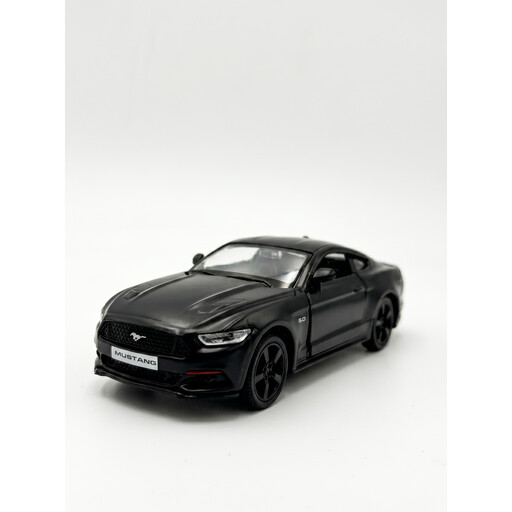
Why it suits this profile: This model is designed for teenagers and adults aged 14 and over looking for a compact collector’s item with classic features.
The product description specifies the scale, metal construction, opening doors and pull-back function. The age recommendation of 14 and over makes its intended use clear.
Metal body, opening doors, 1:36 scale and manual pull-back function with no charging required.
We’ve put together a complete, regularly updated list of products that meet these strict selection criteria and fully comply with the safety regulations applicable in the EU.
The direct running costs of an RC vehicle mainly depend on its battery, replacement tyres and charging accessories. A USB charging cable is handy, but a second compatible battery can be useful if you’re planning longer play sessions. Check tyres and moving parts regularly for wear.
For many models, care is as simple as wiping them with a dry cloth and removing dust from the wheels. Avoid water, high temperatures and opening the lithium battery, unless the manufacturer advises otherwise.
Run time depends on the model. Several of the drift cars described are said to run for around 20 to 40 minutes per charge. Driving style, surface and use of lights or sound effects can affect run time.
Some RC drift cars and RC stunt cars are listed as suitable for children aged 8 and over. Even so, check the warnings, small parts, controls and supervision needed during play and charging before you buy.
An RC car is controlled by radio and generally needs batteries or a rechargeable battery. A model car, such as a SIKU model car or a Diecast model car, is usually moved by hand and is intended for play, collecting or display. The right choice depends on whether active driving features or attention to detail matters more to you.