
Lieferung heute & morgen

Qualitätsgarantie

Willkommens-Angebote freischalten: KOSTENLOSE Lieferung | Bis zu 80 % RABATT | Kostenlose 30-Tage-JoyPlus-Testphase
App herunterladen
A remote-controlled toy can light up a child's eyes, but the selection is vast, and not every model lives up to its packaging promises. As a Joybuy Product Recommendation Officer, I'm here to help you navigate the common pitfalls and make an informed decision. This guide focuses on the objective features that define a durable and entertaining toy.
Many well-intentioned gifts end up collecting dust in a corner. This is often due to avoidable flaws that were overlooked at the time of purchase.
To avoid these problems, you should check three core aspects before buying. These largely determine the longevity and play value of a remote-controlled toy.
The robustness of a toy is directly linked to the materials used. Look for the following features:
The type of remote control is critical for enjoyment. 2.4 GHz radio technology is the standard today and offers a significant advantage: it allows for the interference-free operation of multiple vehicles at once. This means friends or siblings can play together without their signals interfering with each other.
The complexity of the controls should match the child's age:
The power supply is a practical aspect that is often underestimated.
Here are some recommendations tailored to different age groups and interests, all of which meet the criteria mentioned above.
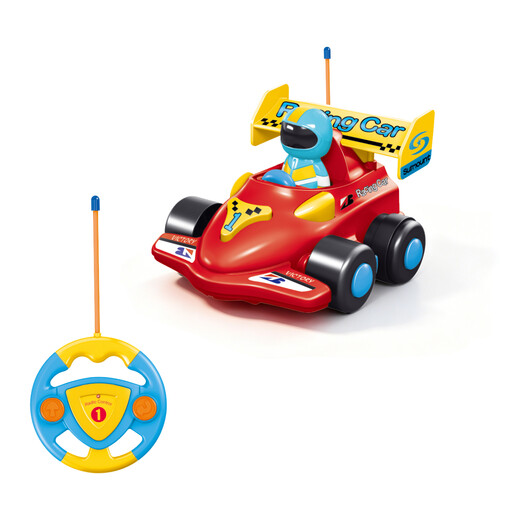
Why this model is a great fit: This car is specifically designed for the motor skills of toddlers. The chunky, robust design and simple controls make it an ideal entry-level toy.
The controls are reduced to simple commands (forward, reverse, left), which prevents children from being overwhelmed. The sturdy construction is designed to withstand rough handling by toddlers.
Additional play features like light and sound effects, plus a removable driver figure, encourage imagination and improve hand-eye coordination.
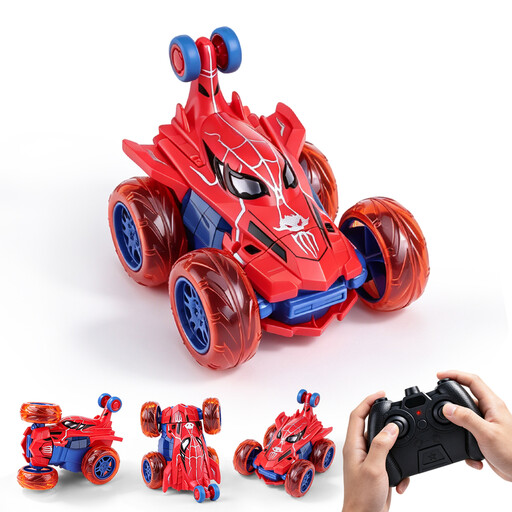
Why this model is a great fit: This remote-controlled car is built for action. It's an ideal gift for boys and girls who want more than just driving and enjoy cool tricks and lights.
The robust structure with shock-proof rubber tyres and dual motors is designed for all-terrain use, avoiding the problem of fragility. The battery is conveniently charged via USB without needing to unscrew the compartment.
The ability to perform 360° spins and 90° stunts on its rear wheels, combined with colourful wheel lights, ensures high and long-lasting play value.
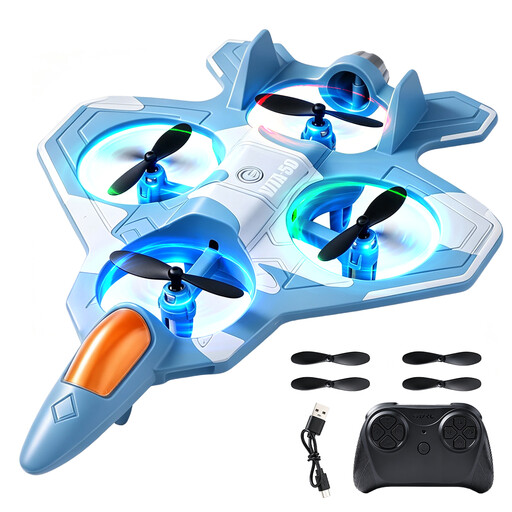
Why this model is a great fit: This drone is a great choice for children getting their first taste of flying. It combines beginner-friendly features with a robust, forgiving design.
The body, made of flexible EPP foam, withstands crashes and collisions. Features like Headless Mode and Altitude Hold greatly simplify control and prevent frustration for beginners.
The shrouded propellers provide extra safety by protecting walls and hands. Integrated LED lights also enable flights at dusk and create a great visual effect.
We have compiled a complete, up-to-date list of products that fully meet these strict selection criteria and safety regulations.
Battery life varies greatly depending on the model, driving style, and terrain. On average, playtime per battery charge is between 15 and 30 minutes. Models intended as a gift for boys or girls often come with a second battery to double the playtime without a long interruption.
2.4 GHz refers to the frequency on which the remote control communicates with the vehicle. This technology has the advantage of being less susceptible to interference. It allows multiple remote-controlled vehicles to operate simultaneously without their signals affecting each other. This is especially important when children want to play with friends.
There are models for almost every age group. For toddlers from 2 years old, very simple, robust vehicles with two-button controls are suitable. More complex models like a remote-controlled stunt car or a beginner's toy drone are generally recommended as a toy for ages 6 and up or 8 and up, as they require better fine motor skills and a basic understanding of the controls. Always pay attention to the manufacturer's age recommendation.