
Lieferung heute & morgen

Qualitätsgarantie

Willkommens-Angebote freischalten: KOSTENLOSE Lieferung | Bis zu 80 % RABATT | Kostenlose 30-Tage-JoyPlus-Testphase
App herunterladen
Removing blackheads may sound straightforward at first. In practice, however, harsh exfoliants, unsuitable pore strips or squeezing too often can quickly leave skin dry, red or irritated. If you want to care for blocked pores effectively, you should therefore look beyond marketing claims such as “deep cleansing” and compare the product type, ingredients and recommended frequency of use.
This buying guide explains what to look for in a blackhead remover, a blackhead mask, a BHA product or nose strips.
Nose strips can visibly remove attached sebum and skin particles when peeled off. However, this does not automatically mean that the underlying cause of blocked pores will be reduced permanently. Adhesives, alcohol or strongly adhering materials can feel uncomfortable, particularly on sensitive skin.
BHA for blackheads and an AHA facial peel can be incorporated into your daily pore-care routine, depending on the formulation. However, a common mistake is to start with daily use straight away. Using these products too frequently can cause tightness, redness and dry patches. Individual skin tolerance is crucial.
Pores cannot be permanently closed. Products can reduce the visible build-up of sebum and dead skin cells or make the skin’s surface appear smoother. Claims about permanently reducing pore size should therefore be treated critically.
BHA is oil-soluble and is often chosen for oily skin, sebum and blocked pores. According to the product information, BHA Blackhead Power Liquid contains 4% betaine salicylate. The formulation is applied thinly after cleansing and is intended for gradual introduction.
AHA works primarily on the skin’s surface. An AHA facial peel may be suitable if rough skin texture and dead skin cells are the main concerns. AHA products can increase the skin’s sensitivity to light. If used in the morning, you should therefore apply sun protection offering sufficient broad-spectrum protection.
Mechanical tools and nose strips are more suitable for targeted use. They should not be treated as equivalent to daily cleansing or a chemical peel.
Before buying, it is worth checking the complete INCI list. Relevant points include:
A new product should initially be tested on a small area of skin. If irritation, swelling or a rash persists, stop using the product and seek medical advice.
For beginners, using a product once or twice a week may be sensible, provided this is recommended in the product information and your skin tolerates the treatment. Allow breaks between different exfoliants, masks and strips. Using several highly exfoliating products on the same day will not automatically provide greater benefits.
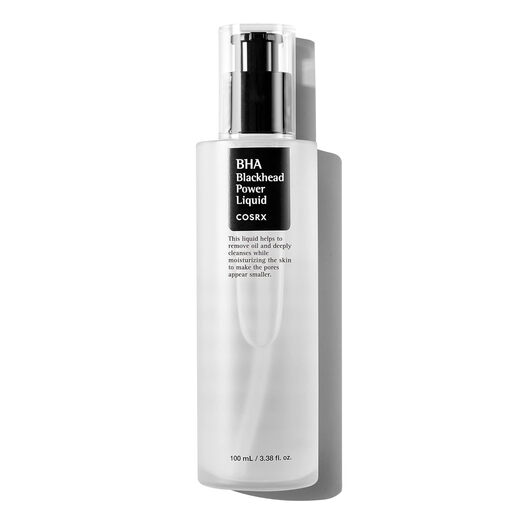
Why this product suits this profile: A liquid BHA treatment can be applied precisely to the nose, T-zone or other areas with increased sebum production. The product information recommends starting with once- or twice-weekly use.
It is applied without vigorous scrubbing. This avoids the mechanical friction that can be problematic for sensitive or already dry skin.
100 ml contents, 4% betaine salicylate according to the product information, plus niacinamide, panthenol and sodium hyaluronate.
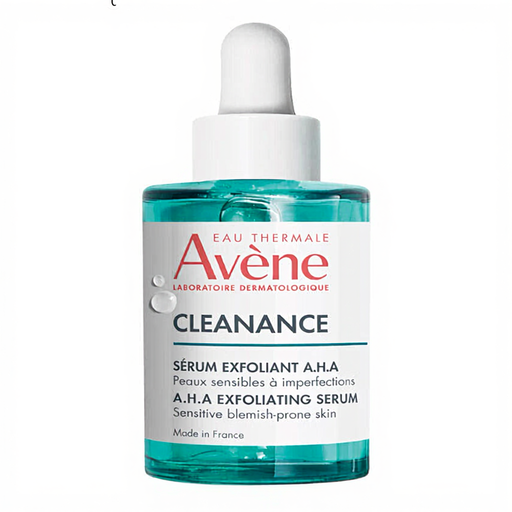
Why this product suits this profile: This compact serum is designed for shoppers who value clearly stated AHA care, a fragrance-free formula and specific safety instructions.
The product information explicitly warns of increased sensitivity to sunlight and recommends using sun protection during application and for a period afterwards.
30 ml contents, fragrance-free and, according to the product description, 99% ingredients of natural origin.
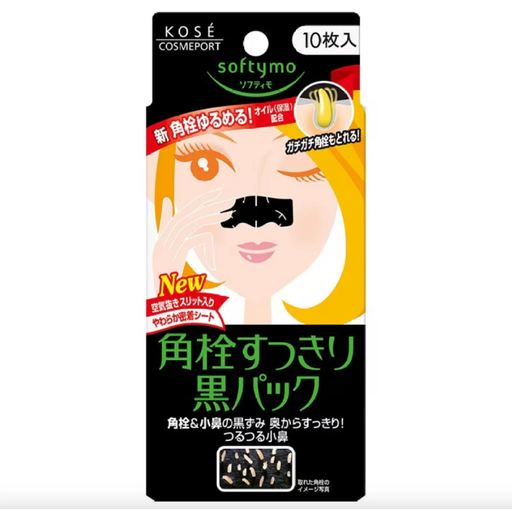
Why this product suits this profile: Ten individually usable strips are suitable for targeted cleansing of the nose area, for example before an appointment or as an occasional addition to your pore-care routine.
The product information recommends limited use of once or twice a week and warns against use on sensitive, irritated or sunburnt skin.
Individual strips for single use, activated charcoal according to the product description, and instructions for a leave-on time of 10–15 minutes.
If you want to remove black spots from your nose, you should also bear in mind that some may be sebaceous filaments. These are a normal part of the skin’s appearance and often return after removal. Consistent, gentle pore care is therefore usually more beneficial than vigorous squeezing.
We have put together a complete, regularly updated list of products that fully meet these strict selection criteria and the safety regulations applicable in the EU.
BHA products are often chosen for sebum and blocked pores. A nose strip can also remove visible surface deposits. Neither product type should be used too frequently at the same time. Skin tolerance, correct application and consistent, gentle cleansing are key.
This depends on the individual product. For the KOSE strips mentioned above, one or two applications per week are recommended, with at least three days between uses. If you have sensitive skin, leaving a longer gap may be advisable. Burning or persistent redness are signs that you should stop using the product.
Combining them is ultimately a question of individual tolerance and the specific formulations involved. For beginners, it is clearer to start with just one acid-based product. If you later combine BHA and AHA, do not layer them thoughtlessly on the same evening, and monitor your skin’s reaction. If you are unsure or experience recurring inflammation, a dermatological consultation can provide suitable guidance.