
Lieferung heute & morgen

Qualitätsgarantie

Willkommens-Angebote freischalten: KOSTENLOSE Lieferung | Bis zu 80 % RABATT | Kostenlose 30-Tage-JoyPlus-Testphase
App herunterladen
Feelings of tightness, redness, and skin that reacts to everything—a weakened skin barrier can take a toll on your daily life. A good repair cream promises relief, but the market is difficult to navigate. Many products advertise trendy ingredients but fail to deliver on their promises. Before you make a purchase, you should know the most common pitfalls that lead to disappointment and unnecessary expense.
To avoid these pitfalls and find an effective repair cream that truly helps to strengthen the skin barrier, you should pay attention to three crucial parameters.
An effective restorative face cream is built on proven ingredients in an effective concentration. Check the INCI list to ensure these active ingredients are listed as high up as possible.
The base of a cream is just as important as its active ingredients. The texture determines whether a product feels pleasant on your skin and is suitable for your skin type.
For a soothing cream for sensitive skin, what's not inside is crucial. A short, clean INCI list is often a good sign. Avoid products with:
Based on the criteria above, we have curated a selection of products for different user profiles.
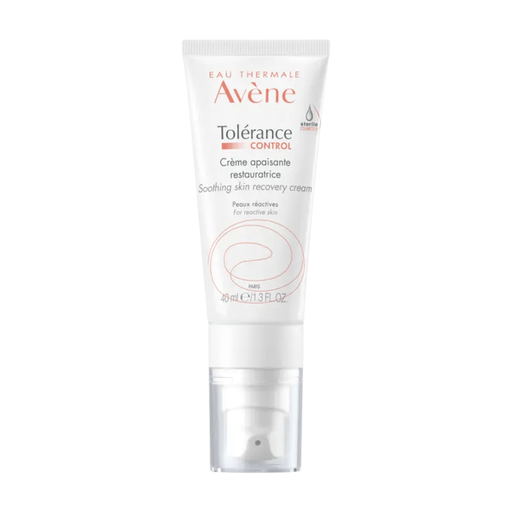
Why This Fits Their Persona: Ideal for users seeking an extremely low-irritant, reliable solution often found in pharmacies. The minimalist formula focuses on the essentials: soothing the skin and restoring comfort.
It strictly avoids fragrances and preservatives. The sterile packaging protects the formula from contamination, making potentially irritating preservatives unnecessary—a direct counter to the 'hidden irritants' pitfall.
Contains D-Sensinose, a post-biotic active ingredient patented by Avène, designed to calm skin irritation. The formula is engineered for high tolerance on allergy-prone skin.
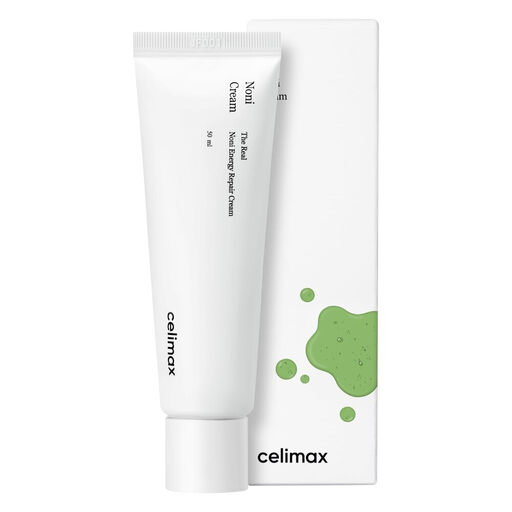
Why This Fits Their Persona: Perfect for seasoned skincare users who appreciate innovative, plant-based formulations and are looking for intensive nourishment for their weakened skin barrier.
The formula bypasses the 'decoy ingredient' trap with a high concentration of 55% Noni Fruit Extract, which is listed first on the INCI. Its velvety texture absorbs well, avoiding the heavy feeling of some repair creams.
The combination of highly concentrated Noni Extract (rich in antioxidants) and ceramides offers both a soothing and a structurally strengthening effect for the skin barrier.
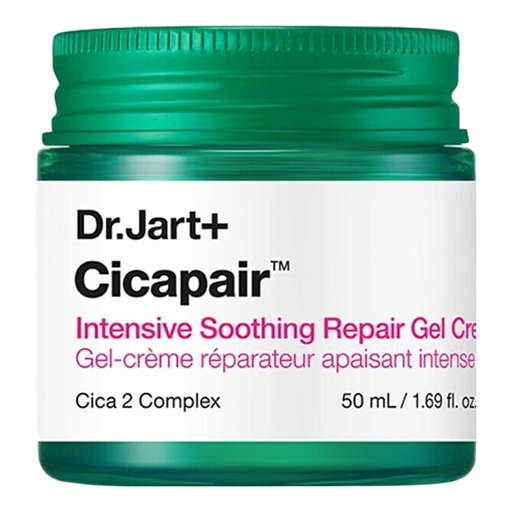
Why This Fits Their Persona: Ideal for individuals whose main concern is visible redness and who are seeking a solution that both soothes and provides immediate visual correction to their skin tone.
This product offers more than just superficial soothing. It combines the active ingredient Centella Asiatica (Tiger Grass) to relieve irritation with a lightweight gel texture that doesn't weigh down the skin.
The formulation harnesses the power of Centella Asiatica to support skin calming. Some products in the Cicapair line also include colour-correcting technology to instantly neutralise redness.
We have compiled a complete, up-to-date list of products that fully meet these strict selection criteria and current regulations.
Restoring the skin barrier is a process. Initial soothing effects and relief from tightness can often be felt after just a few applications. However, to strengthen the barrier function for the long term and improve the skin's resilience, consistent use over several weeks (at least 4–6 weeks, corresponding to one skin renewal cycle) is recommended.
Yes, repair creams are designed for daily use, often morning and night, as the final step in your skincare routine (before sunscreen in the morning). For an acutely damaged barrier, continuous application is crucial to supply the skin with the necessary lipids and soothing ingredients.
Both aim to soothe and repair the skin, but with different focuses. A ceramide cream concentrates on the structural rebuilding of the skin barrier by replacing missing lipids and thus stopping moisture loss. A cica cream (with Centella Asiatica) primarily focuses on relieving inflammation, irritation, and redness. Many modern formulations combine both ingredients for a comprehensive repair effect.