
Lieferung heute & morgen

Qualitätsgarantie

Willkommens-Angebote freischalten: KOSTENLOSE Lieferung | Bis zu 80 % RABATT | Kostenlose 30-Tage-JoyPlus-Testphase
App herunterladen
A repair cream for the face is designed to supply dry, tight or irritated-looking skin with moisture and nourishing lipids. However, product names like "Barrier", "Repair" or "Regeneration" alone tell you little about how suitable they actually are. What really matters are the ingredients, the texture, the packaging and the intended skin type.
Percentages such as "92 % snail filtrate" or "55 % noni extract" look eye-catching, but they only describe part of the formulation. A functional skincare product for the skin barrier usually needs a combination of humectants, emollients and barrier-related lipids. Glycerin, hyaluronic acid and urea bind water; squalane, shea butter and plant oils support a supple skin feel. Ceramides and cholesterol can be part of a barrier cream.
Even a soothing face cream can contain fragrances, essential oils or numerous plant extracts. For sensitive skin, these ingredients are not fundamentally unsuitable, but they should be checked before purchase. If you have a known allergy to rosemary, fragrances or certain plants, it is especially important to look at the current INCI list.
A very rich face cream for dry skin can feel heavy on oily or blemish-prone skin. Conversely, a light gel cream may not be enough if you experience severe tightness or dry cheeks. The right texture also determines whether you use the product in the morning under sunscreen and make-up, or in the evening as a final layer.
For a weakened skin barrier, several product groups are relevant:
A face cream for redness should not be chosen solely by its colour description. A green-tinted cream can visually neutralise redness, but it does not replace sunscreen and is not automatically suitable for every irritated skin type.
If you are looking for intensive care for irritated skin, you can focus on fragrance-free formulations. For very sensitive skin, short INCI lists are often easier to assess. A patch test on a small area of skin can be useful before first use. If burning, swelling, severe itching or worsening persists, stop using the product and seek dermatological advice if necessary.
Most repair creams are applied as the last or second-to-last step in your routine after cleansing. For dry skin, a thin layer in the morning and evening may be enough; a slightly richer application on specific areas is possible, provided your skin tolerates the product.
Airless packaging and tubes limit contact with air and fingers. With jars, the cream should be removed with clean hands. The best-before date, batch number and period-after-opening symbol can be found on the packaging. The current ingredient list on the packaging is always the definitive one.
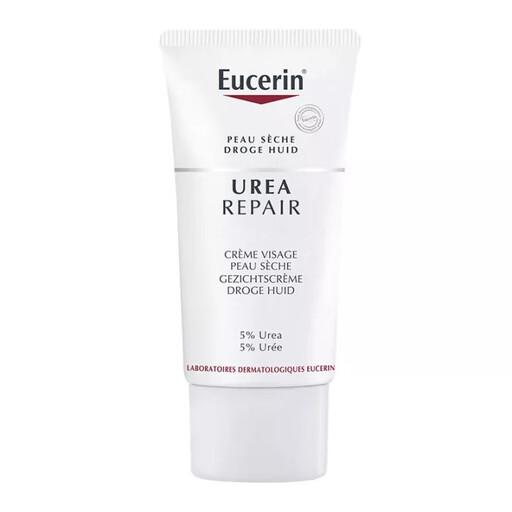
Why this product fits the profile: The formulation contains 5 % urea and glycerin, and is aimed at dry skin looking for a clearly structured moisturising care product for the morning.
The urea concentration is clearly stated. This makes it easier to compare the moisturising performance with other products than with purely promotional repair names.
Urea, glycerin and sodium lactic acid; 50 ml size for daily facial care.
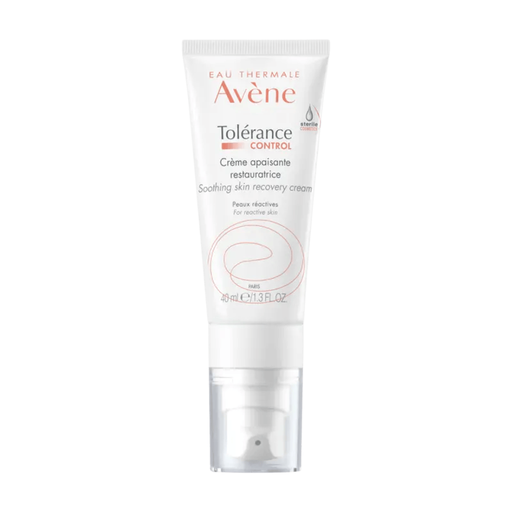
Why this product fits the profile: For people who prefer a fragrance-free care product with a manageable INCI list and a specific focus on hypersensitive skin.
The product description mentions a fragrance-free and preservative-free formulation, as well as airtight packaging. This reduces some typical selection uncertainties.
40 ml; with glycerin, squalane and a D-sensinose component named by the brand.
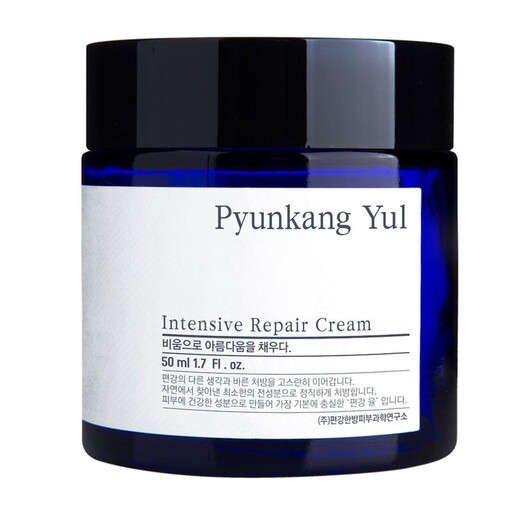
Why this product fits the profile: This richer Korean repair cream is suitable for dry skin and for users looking for a care product with ceramide, shea butter and macadamia oil.
The texture and skin type "dry" are stated in the product details. This makes it easier to distinguish this cream from lighter gel formulations.
Ceramide NP, shea butter, macadamia oil and 50 ml content; intended for morning and evening use.
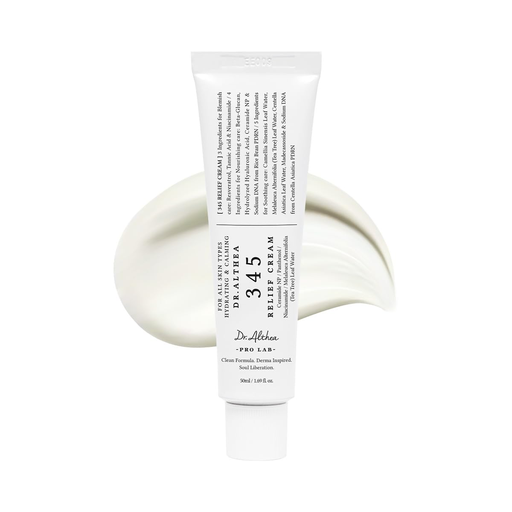
Why this product fits the profile: According to the product description, this light gel cream is aimed at sensitive, reddened, combination, oily and blemish-prone skin.
The product details mention a light texture and the absence of artificial fragrances and colourants. This suits users who want to avoid heavy or strongly perfumed creams.
Niacinamide, panthenol, ceramide NP, beta-glucan and sodium hyaluronate; 50 ml content.
The usual approach is to apply it once or twice a day on cleansed skin. When trying a new face cream for sensitive skin, it is advisable to start with a small amount. In the morning, a suitable sunscreen should be used afterwards. The specific application depends on the instructions on the packaging.
Refer to the symbol for shelf life after opening, for example "6M" or "12M", as well as the best-before date. Changes in smell, colour or consistency may indicate that it needs to be thrown away. Heat, direct sunlight and frequent opening can affect product quality.
That depends on the cause, skin type and tolerance. Fragrance-free formulations with few ingredients can make the choice easier. In the case of severe, recurring or painful redness, a dermatological examination should be carried out. A cosmetic barrier cream is not a substitute for medical treatment.