
Lieferung heute & morgen

Qualitätsgarantie

Willkommens-Angebote freischalten: KOSTENLOSE Lieferung | Bis zu 80 % RABATT | Kostenlose 30-Tage-JoyPlus-Testphase
App herunterladen
Buying new replacement brush heads for your electric toothbrush seems simple at first glance. However, the vast selection of models, brands, and specialisations can quickly lead to confusion and costly mistakes. An incompatible brush head not only cleans less effectively but, in the worst-case scenario, can even damage your gums.
As your Joybuy Product Recommendation Officer, I'm here to help you understand the key criteria. This guide will show you what to look for to find the perfect replacement brush heads for your individual needs and how to avoid common pitfalls.
Before we dive into the details, let's look at two expensive mistakes that are frequently made when purchasing electric toothbrush heads:
To select the right brush head, focus on three objective features that determine cleaning performance and fit.
This is the most critical point. Before buying, check exactly which system your toothbrush uses.
The design of the brush head determines its cleaning focus. Instead of relying on marketing terms, pay attention to the specific design of the bristles.
A worn-out brush head cleans significantly less effectively. Manufacturers recommend a replacement every three months. Modern brush heads offer visual aids for this:
Here are some recommendations tailored to specific needs and user profiles.
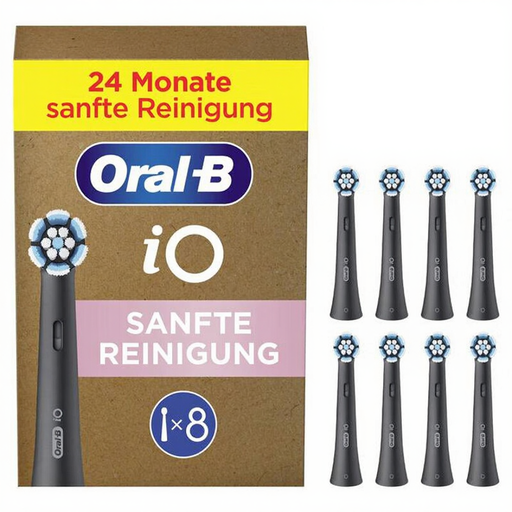
Why This Fits Their Persona: Ideal for owners of an Oral-B iO toothbrush who need a thorough yet gentle clean. Perfect for those prone to gum irritation.
Solves the "hardness fallacy" with a design specifically engineered for gentleness without sacrificing cleaning performance.
Features over 4,000 soft bristles and a cushioned outer ring that adapts to the tooth's contour to protect the gums, according to the manufacturer. Exclusive to Oral-B iO models.
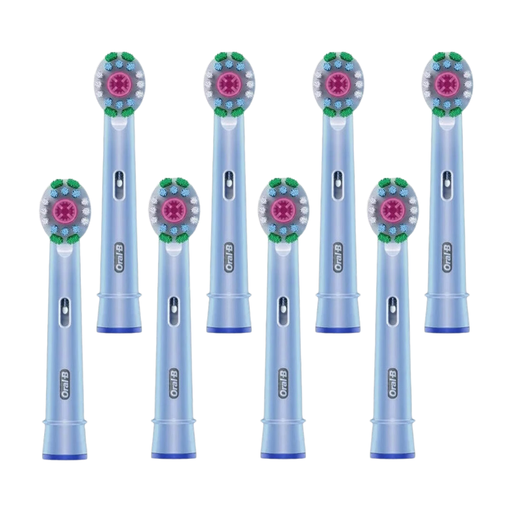
Why This Fits Their Persona: For users of standard Oral-B round-head toothbrushes who want to specifically reduce surface stains from coffee, tea, or nicotine.
The function is clearly defined: the polishing cup is a specific design feature for stain removal, not a vague marketing claim.
Features a central polishing cup. The indicator bristles change from green to yellow to signal the optimal time for replacement. Broad compatibility (excluding iO/Pulsonic).
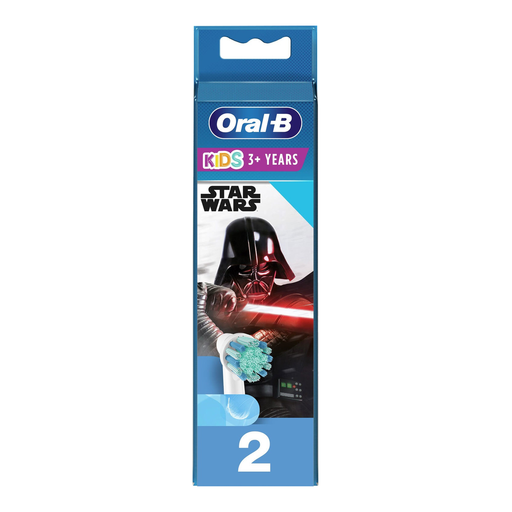
Why This Fits Their Persona: Designed for parents seeking a safe, effective, and motivating solution for their children's dental care from age 3 and up.
Prevents the purchase of unsuitable adult brush heads that are too large and too hard for children's mouths. The specialisation here isn't marketing; it's a necessity.
A small, round brush head and extra-soft bristles are specially tailored to the anatomy of a child's mouth. The design can help motivate kids to brush their teeth.
We have compiled a complete, up-to-date list of products that meet these strict selection criteria and comply with current safety regulations.
1. How often should you change replacement brush heads? Manufacturers generally recommend a replacement every three months. A good indicator is the condition of the bristles: as soon as they become frayed or change colour (on models with indicator bristles), cleaning performance diminishes, and it's time for a change. Regular replacement is also important for hygiene reasons.
2. Do all Oral-B brush heads fit every Oral-B toothbrush? No. This is one of the most common sources of error. Most round Oral-B replacement brush heads are compatible with the common rotating models (e.g., Pro, Vitality, Genius). A key exception is the Oral-B iO brush heads, which were developed exclusively for the iO series. The elongated heads of the Pulsonic series also have their own unique fit. Therefore, always check the product description for compatibility information.
3. Are budget-friendly brush heads from third-party brands a good alternative? Original manufacturer brush heads guarantee a tested fit and the advertised cleaning performance. Third-party products can be a cost-effective alternative. However, with such offers, pay very close attention to the compatibility list and ensure the product is specified for your exact toothbrush model. The quality of materials and bristles can vary.