Choose a laptop based on the programmes you’ll use at the same time for coding, browsing and previewing, and check the requirements of each tool individually. For responsive layouts, a screen size that works for you and the ability to test different views also matter. If you often work in different places, you’ll need to balance display size against portability. If you use containers locally, check their system requirements too, along with compatibility with your chosen operating system.
Which type of user should prioritise what?
Local web developers
If you edit code and the directory side by side in a browser, the resources you need will depend on your specific toolchain and whether you use containers locally, for example. Microsoft’s information on Visual Studio Code relates to the editor; Docker publishes separate requirements for Docker Desktop.
Layout designers working with lots of previews
If you often switch between source code, directory views and different screen widths, you’ll need a display that can comfortably accommodate your preferred window layout. MDN Web Docs describes responsive web design as designing for different screen sizes and resolutions.
Directory managers who work on the move
If you manage or check the website in different places, you’ll need to weigh up screen size, portability and the ports you need. Also check which connections are required for your external display and other accessories.
What should you consider when choosing?
When developing a workshop directory, your priorities depend on which programmes you’ll run at the same time, how you’ll check responsive views and whether you often work on the move.
Windows laptop
A good fit if: Your chosen programmes run on Windows and you want to work with code and a browser side by side on your laptop display.
Worth noting: Docker Desktop has additional requirements on Windows. Also check the processor architecture and the specific configuration.
MacBook Air
A good fit if: Your development tools support macOS and you’re looking for a laptop to use in different places.
Worth noting: Check the ports and whether the display size of the model you choose is large enough for your workflow.
| Purchasing priority |
What to check before buying |
Who should pay particular attention? |
| Development environment |
Decide which editor, browser, database and any containers you’ll use; check the operating system, processor architecture, RAM and SSD of the specific configuration. Microsoft recommends 1 GB RAM for VS Code, but this doesn’t cover your entire workflow running in parallel. |
If I want to use code, a browser and possibly local containers at the same time, I’ll check the requirements of each tool individually. Around 37% of consumers list their development environment as their main priority. |
| Space for layouts |
Compare the screen size and resolution of the specific model, and check whether you can comfortably use your editor and browser side by side. |
If I often compare code and previews side by side, I’ll look for a screen size that can accommodate my window layout. Around 27% of consumers list screen space for layouts as their main priority. |
| Working on the move |
Check the weight, charging accessories and ports of the specific model, as well as the requirements of your external display. |
If I want to use my laptop in different places, I’ll weigh up a portable format against the screen space I need. Around 18% of consumers list portability as their main priority. |
| Total cost |
Compare complete configurations and check whether the power adapter and any required adapters are included. |
If I want to avoid unnecessary features and budget for the accessories I need, I’ll check what’s included with the specific model. Around 18% of consumers list total cost as their main priority. |
Common pitfalls when choosing a laptop
-
Assuming an editor’s RAM recommendation covers your entire project
Microsoft’s recommendation of 1 GB RAM is for Visual Studio Code. It doesn’t automatically cover your browser, database or any containers you may use.
First, make a note of which programmes you plan to run at the same time, then check the requirements of each tool individually.
-
Comparing pixel counts without considering usable screen size
Screen size and resolution vary between laptop models. A high pixel count alone doesn’t tell you whether there’s enough physical screen space to comfortably view code and previews side by side.
Check whether your preferred window layout works well on the actual display, and test the website at different widths too.
-
Overlooking what’s included when comparing models
Dell notes that the Pro 14 PC14255 offers shown do not include a power adapter.
Check what’s included with the specific model and which ports you need for your devices.
You may need to buy a power adapter or other adapter separately.
An overview of relevant brands
Dell
Dell offers Windows configurations of the Pro 14 PC14255 with a 14-inch FHD+ display, including a model with 16 GB DDR5 and a 512-GB SSD. These specifications apply to the specific configurations listed.
- The specifications for each model make it easier to compare the operating system, RAM and SSD.
- Dell lists several processor options; their specifications shouldn’t be combined as if they were a single configuration. The offers shown do not include a power adapter.
Apple
The MacBook Air with M5 is a macOS option. For one 13-inch configuration, Apple lists 16 GB of unified memory, a 512-GB SSD and a 13.6-inch display.
- The listed configuration offers a compact display option if the tools you use support macOS.
- Check whether the screen size and ports suit your workflow. Apple’s battery-life figures are manufacturer claims, not measurements taken while developing this directory.
Lenovo
For the ThinkPad T14 Gen 6 AMD, model number 21QJ002LGE, Lenovo lists a 14-inch WUXGA display, 32 GB RAM and a 1-TB SSD.
- The specifications for this model are useful if you’re specifically looking for this memory configuration or a German keyboard.
- These specifications apply to the model listed, not to every ThinkPad. This does not constitute a comparative test demonstrating its suitability or any advantage over lower-spec configurations.
Joybuy products for development and previewing
The Joybuy products below include Windows laptops and a MacBook for coding, browser previews and working on the move. Compare the specifications of the model you choose with your tools and preferred screen setup.
 No image available
Lenovo ThinkBook 16 Gen 9, Intel Core Ultra 5 325, 32 GB DDR5, 512 GB PCIe SSD, Windows 11 Pro
A 16-inch option if you want to view code and previews on your laptop display.
The listed configuration includes a WUXGA display with 1920 × 1200 pixels, 32 GB DDR5 and a 512-GB PCIe SSD.
View at Joybuy
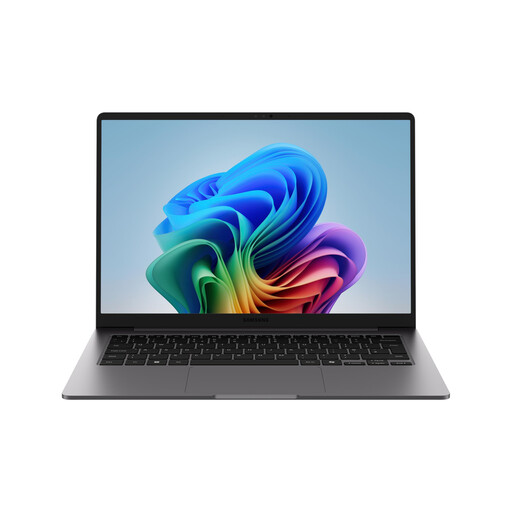 No image available
Samsung Galaxy Book6 Enterprise Edition 14-inch, Intel Core Ultra 7 355, 32 GB LPDDR5X, 512 GB NVMe SSD, Windows 11 Pro
A 14-inch option for Windows tools and a more compact screen size.
The product specifications list a WUXGA display with 1920 × 1200 pixels, 32 GB LPDDR5X, a 512-GB NVMe SSD and an RJ45 port.
View at Joybuy
 No image available
HONOR MagicBook X16 AMD 2025, Ryzen 5 6600H, 16 GB RAM, 512 GB SSD, German keyboard
A 16-inch option if you want to view code and browser previews on a larger laptop display.
The product specifications list 16 GB RAM, a 512-GB SSD and a German keyboard.
View at Joybuy
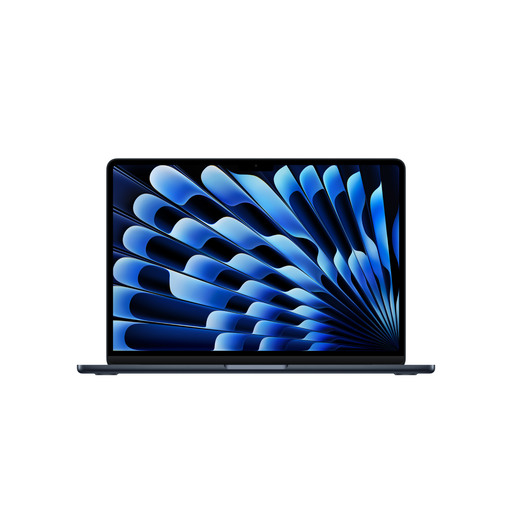 No image available
Apple 15-inch MacBook Air (M5, 2026), 10-core CPU, 10-core GPU, 16 GB, 512 GB SSD, Midnight, German QWERTZ keyboard
A macOS option with a larger display, if your development tools support the operating system.
The product specifications list a 15.3-inch display, 16 GB unified memory and a 512-GB SSD. A power adapter is not included.
View at Joybuy
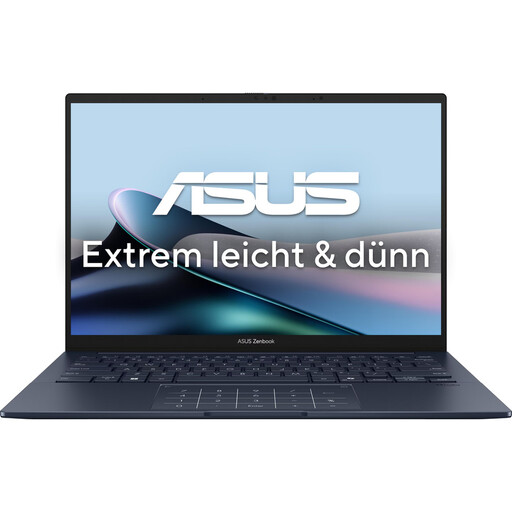 No image available
ASUS Zenbook 14 UX3405CA-QD1303W, 14-inch WUXGA OLED, Intel Core Ultra 7 255H, 16 GB, 1 TB, Windows 11
A 14-inch option for a compact Windows setup with code and browser previews.
The product specifications list a WUXGA OLED display, 16 GB LPDDR5X and a 1-TB SSD.
View at Joybuy
Frequently asked questions
Do I need a dedicated graphics card for responsive layouts?
The sources consulted do not indicate that a dedicated graphics card is required to check browser layouts at different widths. The first thing to establish is whether your entire development environment will run on the device you choose.
Is VS Code’s minimum requirement enough for my entire workflow?
No. Microsoft’s recommendation of 1 GB RAM applies to Visual Studio Code. It doesn’t account for your browser, local database or containers. If you plan to use Docker Desktop on Windows, check its own requirements.
How do I check a responsive website once it’s set up?
Open the directory in a browser and check how it looks at different window widths, or use the responsive view in the developer tools. Pay particular attention to the screen widths that are relevant to your directory.
What are my rights if my laptop is faulty or I want to cancel the purchase?
For faulty goods, your statutory rights are against the seller; EU consumer information states that you have at least two years from receiving the goods. Online purchases generally come with a 14-day right to cancel, as explained by the Verbraucherzentrale. This is separate from any voluntary manufacturer’s warranty.
Should I expect an EU energy label for a laptop, as I would for a separate monitor?
Not necessarily: the European Commission covers laptops under ecodesign rules for computers. Its information distinguishes these from the energy labelling rules for separate monitors, so a monitor energy label does not automatically apply to a laptop.


