
Lieferung heute & morgen

Qualitätsgarantie

Willkommens-Angebote freischalten: KOSTENLOSE Lieferung | Bis zu 80 % RABATT | Kostenlose 30-Tage-JoyPlus-Testphase
App herunterladen
Large pores, fine lines and reduced skin firmness are among the most common reasons for looking for a facial serum with retinal. According to the product description, the celimax THE VITA-A RETINAL SHOT TIGHTENING BOOSTER 15 ml is aimed at experienced users of vitamin A products and contains 0.1% retinaldehyde. However, before buying, you should consider more than just the concentration and the brand’s Korean popularity. Tolerance, application and the rest of your skincare routine are also important factors.
Retinal is a vitamin A derivative. A 0.1% retinal serum may be appealing to experienced users, but it is not automatically suitable for every skin type. If you have not used retinol or retinal before, you should not apply it to your entire face straight away. Using it too often can lead to dryness, redness, a feeling of tightness or flaking.
An anti-ageing serum for large pores can help improve the appearance of skin texture and pores. However, the visible size of pores depends on factors including skin type, sebum production, hydration and reduced skin elasticity. A serum cannot permanently “close” pores. Claims such as “pores disappear” or “wrinkles are guaranteed to be eliminated” are therefore not reliable purchasing criteria.
Combining retinal with strong exfoliants in the same evening routine increases the risk of unnecessary skin irritation. According to the product information, the celimax Booster should not be applied at the same time as highly concentrated vitamin C, salicylic acid, AHA or other intensive exfoliants. It is also important to remember that vitamin A products belong in your evening routine; the following morning, using sun protection with an SPF of at least 30 is advisable.
Retinal (0.1%) is listed in the stated INCI list for the celimax THE VITA-A RETINAL SHOT TIGHTENING BOOSTER. According to the product description, the active ingredient is encapsulated and combined with the 20250 A-Shot system. Buyers should view such technology names as formulation information, not as independent proof of effectiveness.
Retinal is often chosen in skincare because, compared with retinol, it has a shorter conversion pathway to retinoic acid. However, this does not mean that every product will be equally well tolerated. Packaging, storage and keeping the bottle tightly closed are important, as retinal is sensitive to light.
According to the product information provided, the formula contains niacinamide, panthenol, adenosine and a peptide blend consisting of Palmitoyl Tripeptide-1 and Palmitoyl Tetrapeptide-7. The product description refers to this blend as 3% Matrixyl 3000 Peptide. This percentage relates to the product’s marketing information and should not be equated with 3% of a pure individual peptide.
Panthenol and glycerin are included in the INCI list and are commonly used in cosmetic formulations to support skin hydration. A good skincare base with a simple moisturiser can help keep your routine straightforward.
The product contains 15 ml and is described as having a light yellow, creamy texture. A yellowish colour can occur in retinal formulations; according to the product information, any temporary colour cast may be less noticeable after applying moisturiser.
With a night serum containing retinal, the dosage is crucial. When introducing it, a very small amount is sufficient, roughly the size of a grain of rice. How long the product lasts depends on whether you initially use the serum only on specific areas or later apply it to your entire face.
If burning persists or you experience severe redness, swelling or pronounced flaking, discontinue use. According to the product warning, pregnant people, those trying to conceive and breastfeeding people should avoid this and other vitamin A derivative products. If you are unsure about your individual skin condition, seek medical advice.
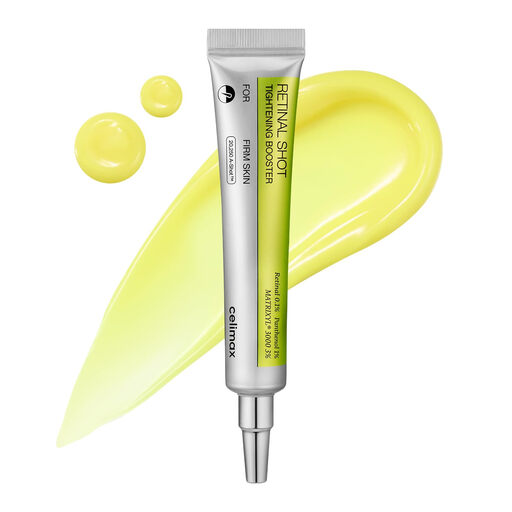
Why this product suits this profile: The stated retinal concentration of 0.1% and the compact 15 ml size appeal to experienced vitamin A users who want to incorporate a concentrated night serum into their routine in a targeted way.
The active ingredient concentration, INCI list and specific warnings are provided. This makes it easier to assess than vague claims about “firming” skincare.
0.1% retinal, niacinamide, panthenol and a peptide complex according to the product information; for evening use only.
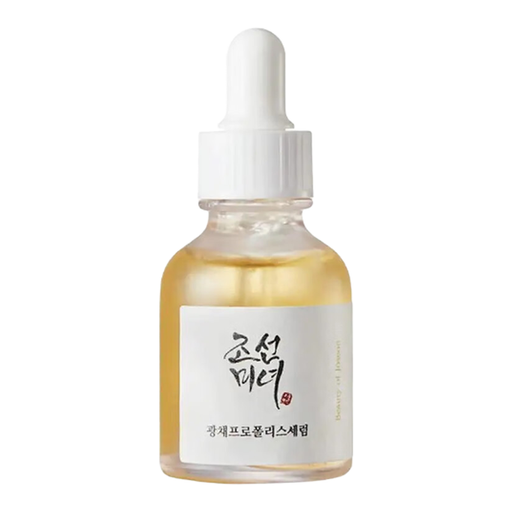
Why this product suits this profile: For people who are initially looking for a serum without retinal and want to focus on hydration and the appearance of pores.
It is not presented as a retinal alternative with the same function. The product information lists propolis and 2% niacinamide, but no retinal.
30 ml content, a lightweight serum texture, plus propolis extract and niacinamide according to the product description.
We have put together a complete, regularly updated list of products that fully meet these strict selection criteria and the safety regulations applicable in the EU.
According to the product information, you should initially use it once in the evening and only apply a small amount. During the first two weeks, targeted application is recommended. If your skin tolerates it well, you can gradually extend the area covered. Applying it daily to your entire face is not essential when starting out.
A simple moisturiser is generally more suitable during the adjustment period than several intensive active ingredients. According to the product warning, highly concentrated vitamin C, salicylic acid, AHA and other strong exfoliants should not be layered in the same evening routine. Using them on separate days can make your routine easier to manage.
The precise shelf life depends on the expiry date, batch number and the period after opening stated on the packaging. As retinal is sensitive to light, the bottle should be stored somewhere cool and dry, protected from direct light, and carefully closed after every use.