
Lieferung heute & morgen

Qualitätsgarantie

Willkommens-Angebote freischalten: KOSTENLOSE Lieferung | Bis zu 80 % RABATT | Kostenlose 30-Tage-JoyPlus-Testphase
App herunterladen
A retinal serum may appeal to anyone looking to address the appearance of wrinkles, fine lines, uneven skin texture or enlarged pores as part of their evening skincare routine. But choosing one isn’t simply a matter of picking the highest percentage. The form of vitamin A, the packaging, the recommended way to use it and how well your skin tolerates it all matter.
Retinaldehyde 0.1% and retinol 0.1% are different active ingredients. Encapsulated, stabilised or slow-release forms also can’t automatically be compared using the same percentage. A higher figure doesn’t necessarily mean a product is more suitable for everyone.
Some product descriptions also list blends of several vitamin A derivatives. When choosing a product, always check the full INCI list on the packaging.
Being suitable for different skin types doesn’t mean you can skip the adjustment period. Retinal and retinol may cause temporary dryness, tightness or redness, particularly if your skin isn’t used to them. Start by applying a small amount of a night serum on just a few evenings a week.
Words such as “intensive”, “professional” or “fast-acting” don’t tell you much about the actual formula on their own. Instead, check the concentration, stabilisation, pack size, texture, fragrance and storage instructions. Claims about wrinkles, pores or firming should be understood as visible skincare goals, not medical promises.
Retinaldehyde, or retinal for short, is a vitamin A derivative. It needs to undergo one conversion step to become retinoic acid, but this doesn’t mean you can make a general claim about the results for everyone. When choosing a product, consider:
A retinal anti-ageing serum may appeal to experienced users. If you’re new to retinoids, a lower-strength product or one introduced gradually may be more practical.
Vitamin A derivatives are sensitive to light and air. Opaque, tightly sealed packaging helps maintain product stability. Always check the best-before date, batch number and Period After Opening symbol on the packaging.
Store the serum somewhere cool and dry, away from direct sunlight. The shelf life after opening depends on the packaging information and may vary from product to product.
Start with a small amount on clean, dry skin, then follow with a simple moisturiser if you like. A vitamin A serum for fine lines, a serum for enlarged pores or a firming face serum shouldn’t be used at the same time as several strong exfoliating products.
Take particular care if using highly concentrated vitamin C, AHAs, BHAs, salicylic acid or physical exfoliants in the same evening routine. In the morning, use a sunscreen with a sufficiently high SPF. Stop using the product if you experience persistent burning, severe redness or noticeable flaking, and seek medical advice if needed. If you’re pregnant or breastfeeding, use cosmetics containing vitamin A only after consulting a medical professional.
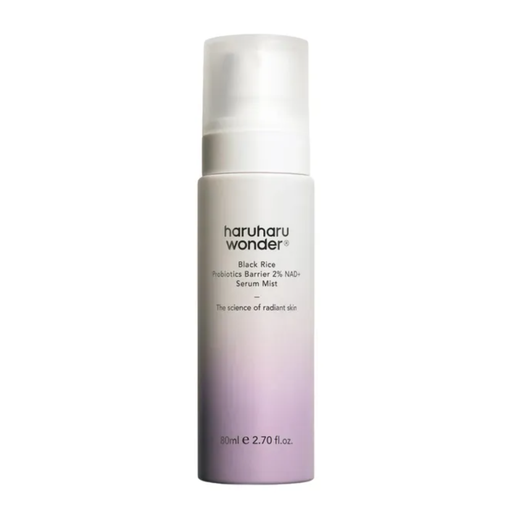
Why this product suits this profile: The product description lists 0.08% microencapsulated retinol, bakuchiol and Ceramide NP. It recommends starting with two to three evenings a week.
The clearly stated concentration and gradual introduction plan reduce the risk of buying based on marketing claims alone or starting too often.
Microencapsulated retinol, Ceramide NP and a fragrance-free formula, according to the product description.
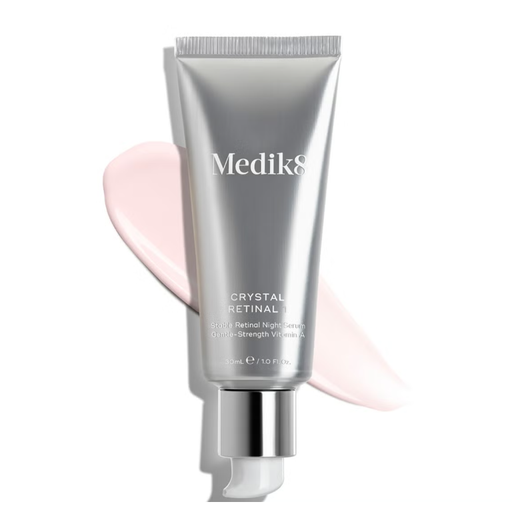
Why this product suits this profile: According to the product description, this night serum contains 0.01% stabilised retinal, as well as glycerin, hyaluronic acid and vitamin E.
The retinal concentration is clearly stated. The manufacturer recommends introducing it gradually, starting twice a week and increasing to daily use as tolerated.
Stabilised retinal, hyaluronic acid, glycerin and vitamin E in a formula specifically described as a night-time skincare product.
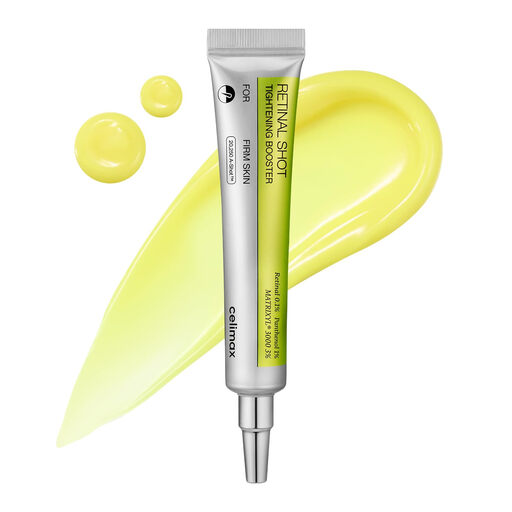
Why this product suits this profile: The product information lists 0.1% retinal, an encapsulated form, peptides and an initial application to individual areas of concern.
The high active ingredient concentration comes with a clear plan for getting your skin used to it. This lets you try it on specific areas first, rather than applying it to your whole face straight away.
0.1% retinal, a peptide complex, panthenol and niacinamide, according to the product description; intended for evening use only.
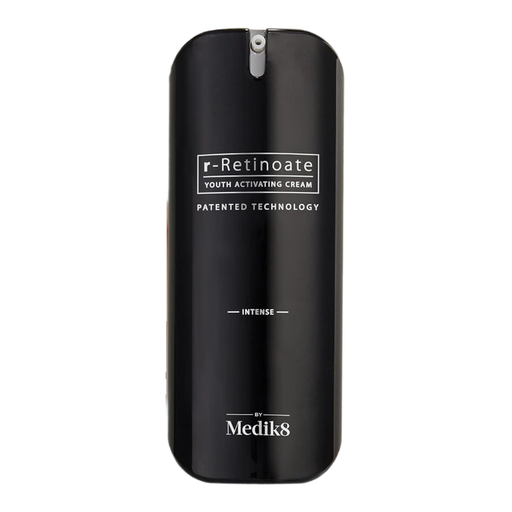
Why this product suits this profile: The INCI list includes Hydroxypinacolone Retinoate and retinol. The instructions recommend applying a thin layer to clean skin in the evening.
The product information names the retinoid forms it contains and advises introducing it gradually, using sun protection and stopping use if irritation occurs.
50 ml size and a combination of several vitamin A derivatives, according to the stated INCI list.
We’ve put together a complete, regularly updated list of products that meet these strict selection criteria and fully comply with the safety regulations in force in the EU.
In the evening, after cleansing, apply a small amount to completely dry skin, initially avoiding the eye and lip areas. Depending on the product instructions, start by using it one to three times a week. Use sunscreen in the morning. If you have sensitive skin, applying moisturiser before or after the serum can help keep your routine simple.
You’ll find the shelf life on the packaging or outer carton. The batch number and PAO symbol are also important. Once opened, keep the product tightly closed in a dry place away from light. If its smell, colour or consistency changes, check whether it’s still suitable to use and follow the manufacturer’s instructions.
It depends on the concentration, formula and how well your skin tolerates it. If you’re new to retinoids, choose a product with clear instructions and start slowly. If you already use a retinol or other retinoid product, don’t combine several vitamin A serums at the same time. If you have a skin condition, experience severe irritation or are unsure, seek advice from a dermatologist.