
Lieferung heute & morgen

Qualitätsgarantie

Willkommens-Angebote freischalten: KOSTENLOSE Lieferung | Bis zu 80 % RABATT | Kostenlose 30-Tage-JoyPlus-Testphase
App herunterladen
A retinal serum may be worth considering if you want to target fine lines, uneven skin texture, visible pores or loss of firmness as part of your anti-ageing skincare routine. Choosing one can be tricky, though: packaging often uses words such as ‘intensive’, ‘fast’ or ‘professional’ without making the details that matter easiest to compare.
If you’re looking to buy a retinaldehyde serum, don’t focus solely on the brand name and marketing claims. The concentration, packaging, frequency of use and complementary skincare all help determine whether a product is right for your skin.
A product containing 0.1% retinal is generally easier to assess than a cream that simply claims to contain ‘4% Retinal Liposome’. With liposomal complexes, the percentage may refer to the entire complex, rather than pure retinal. Check the full INCI list and the information on the packaging.
‘Crystal Retinal 20’ isn’t necessarily comparable with a product that clearly states its retinal concentration, either. A product number or strength level is no substitute for transparent ingredient information.
Retinal, also known as retinaldehyde, is a vitamin A derivative. Retinol and retinal are not the same, however. Retinyl retinoate is a different compound, too. These products differ in formulation, conversion pathway, how their concentrations are stated and how well they are tolerated.
So a retinal serum isn’t automatically a ‘retinol alternative’ that can be used in the same way. If you’re already used to retinoids, you may have different selection criteria from someone trying a vitamin A serum for the first time.
More active ingredient doesn’t automatically mean that daily use is a good idea. Applying it too often can contribute to dryness, tightness, redness or flaking. A gradual introduction is particularly important for sensitive, dry or mature skin.
Retinal products are generally used in the evening. In the morning, your routine should include broad-spectrum sun protection. Stop using the product if you experience persistent stinging, severe redness or irritation.
Check whether the manufacturer states a specific concentration of pure retinal. The examples in this selection range from 0.01% stabilised retinal to 0.2% retinal, according to the product descriptions. These figures aren’t directly comparable with percentages given for liposomal or active ingredient complexes.
An encapsulated or liposomal formula may indicate the use of stabilising technology. But this alone doesn’t prove better tolerance or visible results. The overall formula, storage and your skin’s individual response all matter.
A face serum is intended for larger areas such as the face and neck. A retinal eye cream or eye serum, on the other hand, is formulated for the delicate eye area. Don’t let products get into your eyes, and don’t apply them to irritated or broken skin.
If you have dry skin, formulas containing glycerin, hyaluronic acid, squalane, ceramides or panthenol may fit well into your routine. If you’re prone to blemishes, look for a lightweight texture. Fragrance, essential oils and a large number of plant extracts may be worth checking if you have sensitive skin.
Retinal is sensitive to light and oxidation. Light-protective packaging, a tightly closing lid and storage away from heat and direct sunlight are practical signs of quality. Also check the expiry date, batch number and current INCI list on the product.
Depending on the concentration and the manufacturer’s instructions, start with one or two applications a week, for example. At first, avoid using retinal in the same evening routine as other potentially irritating active ingredients, such as high-strength vitamin C, salicylic acid or AHA exfoliants.
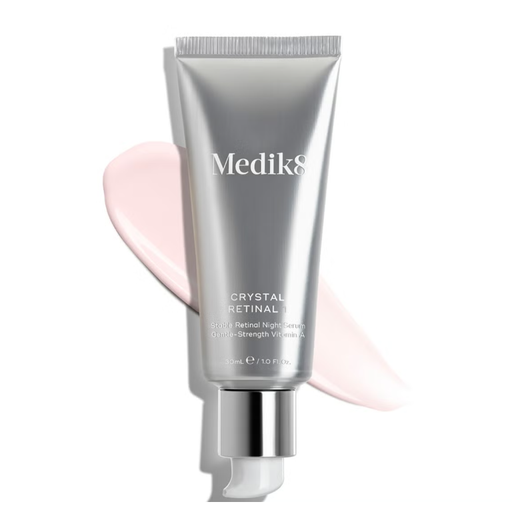
Why it suits this profile: The product description states that it contains 0.01% stabilised retinal and provides a gradual introduction plan. This may make it easier for first-time users to work a retinal serum into their evening routine.
The stated concentration is easier to assess than an unexplained percentage for a complex. The recommendation to start with twice-weekly use helps address the risk of applying it too often.
Stabilised retinal, 30 ml and glycerin, squalane and sodium hyaluronate in the INCI list.
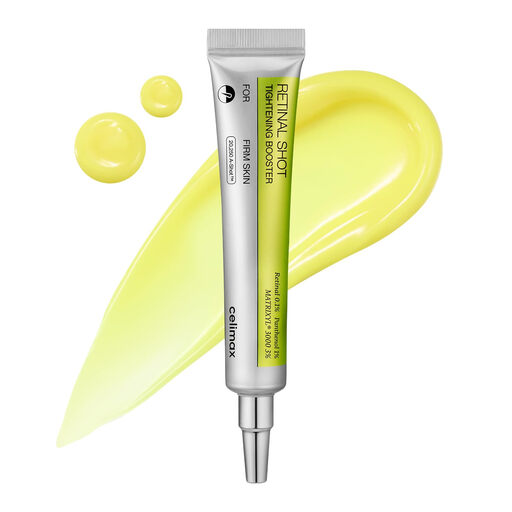
Why it suits this profile: According to the product description, this booster is aimed at experienced users looking for a concentrated night-time product for areas of the face with visible pores or lines.
The product description states that it contains 0.1% retinal in a liposomally encapsulated formula. The advice to start by applying it to specific areas helps you introduce it gradually.
0.1% retinal as stated, 3% Matrixyl 3000 according to the product description, plus panthenol and niacinamide in the formula.
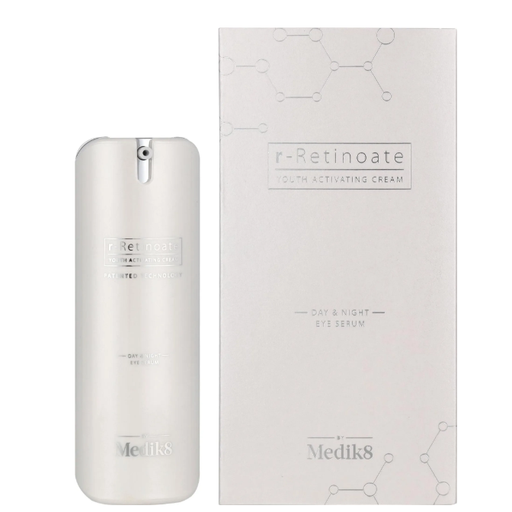
Why it suits this profile: This product is designed specifically for the eye area and contains retinyl retinoate rather than traditional retinal. It’s a good option if you want to choose your face and eye care separately.
Because it’s intended for the eye area, you’re less likely to apply a face serum over a larger area too close to your eyes. The formula also contains hyaluronic acid and squalane.
50 ml, morning and evening use according to the product description, and a format designed for the eye area.
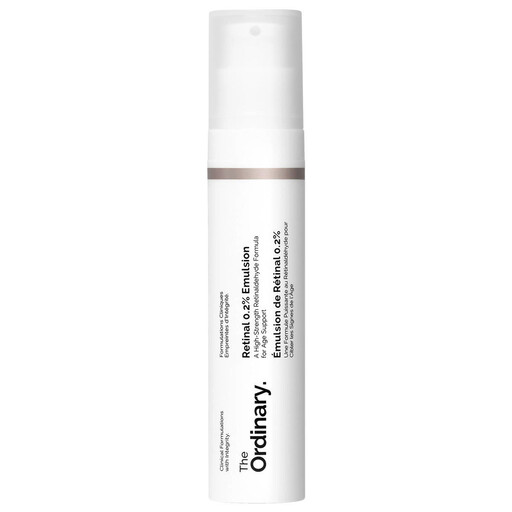
Why it suits this profile: According to the usage instructions, the stated concentration of 0.2% is aimed at people who already have experience with retinoids and want to tailor their evening routine.
Using it in the evening, applying a small amount and avoiding other retinoids all help reduce the risk of combining active ingredients without a clear plan.
0.2% stabilised retinal according to the product description, an emulsion texture and a synthetic oat derivative in the formula.
We’ve put together a complete, regularly updated list of products that meet these strict selection criteria and fully comply with the safety regulations in force in the EU.
Retinal and retinol are different vitamin A derivatives. Retinal requires a different conversion step in the skin from retinol. Whether a retinal serum is a better fit depends on its concentration and formulation, your skin type and your previous experience. A direct comparison only makes sense if the products clearly state their active ingredient levels and have similar usage instructions.
If you’re new to retinal, start with just a few applications a week. More experienced users can increase how often they apply it, depending on how well their skin tolerates it. Always follow the packaging instructions and pay attention to your skin’s response. Daily use isn’t essential.
The expiry date and batch number are shown on the packaging. After opening, also check the stated period for use after opening. Keep the product closed, cool and protected from direct light. If its smell, colour or texture changes significantly, stop using it.