
Lieferung heute & morgen

Qualitätsgarantie

Willkommens-Angebote freischalten: KOSTENLOSE Lieferung | Bis zu 80 % RABATT | Kostenlose 30-Tage-JoyPlus-Testphase
App herunterladen
A retinal serum can be a targeted addition to your evening skincare routine if visible wrinkles, uneven skin texture, pigmentation or enlarged pores are your main concerns. However, retinaldehyde isn’t an ingredient you should choose based on marketing claims alone. The concentration, packaging, area of application and how accustomed your skin is to the ingredient all play a major part in whether a product is right for your routine.
A product labelled “2% Retinal Liposome” isn’t automatically comparable to one that lists 0.1% retinal or 0.2% retinal. With liposomal products, for example, the percentage may refer to a complex rather than pure retinal. So it’s important to check the full INCI list and the precise information provided by the manufacturer.
You shouldn’t choose a retinaldehyde serum based solely on a high number on the packaging, either. A lower concentration that’s clearly stated may be a more sensible choice when starting out.
Retinal may initially cause tightness, dryness, redness or flaking. This can happen even if a product also contains soothing or hydrating ingredients. If you already use a retinol serum, acids or a potent vitamin A serum, don’t combine these products without checking whether they’re suitable to use together.
Retinal serum is usually used in the evening. The next morning, your routine should include broad-spectrum sun protection with a high SPF. Without this step, skincare is less predictable for skin that’s sensitive to the sun. Retinal doesn’t replace sun protection and isn’t a medical treatment for wrinkles, pigmentation or skin conditions.
Retinaldehyde, often shortened to retinal, is a vitamin A derivative. A retinol serum, on the other hand, uses retinol, which undergoes further conversion steps in the skin. However, the name alone doesn’t allow you to make a universal judgement about how well a product will be tolerated or how visible the results will be.
If you’re looking specifically for a facial serum with retinal, check:
The yellowish colour of some formulas may be caused by retinal and isn’t automatically a sign of poor quality. Some products may stain light-coloured fabrics.
If you’re new to retinal, it’s sensible to start slowly: use it once or twice a week at first, then gradually increase how often you apply it, depending on how your skin responds. A pea- or grain-of-rice-sized amount is enough for many facial products. Use only a very small amount of eye products along the orbital bone, never directly in the eye.
Don’t buy a serum for firmer-looking skin, an anti-wrinkle serum or a serum for enlarged pores expecting to see results straight away. Cosmetic changes vary from person to person and require regular use that your skin can tolerate.
Hydrating and barrier-supporting ingredients such as glycerin, hyaluronic acid, squalane, panthenol, ceramides or certain peptides can complement a retinal routine. However, they don’t automatically make a potent formula suitable for sensitive skin.
It’s also worth checking:
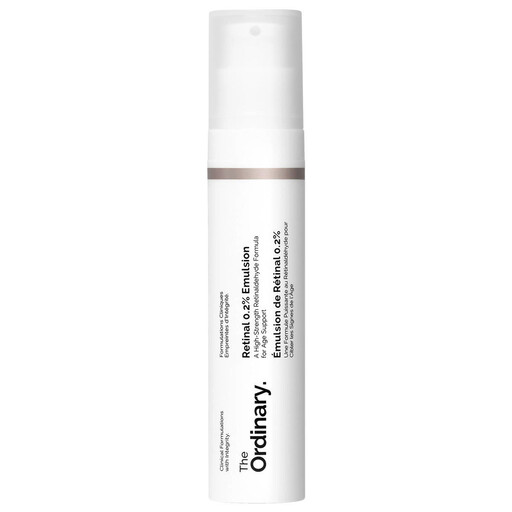
Why this product suits this profile: This 15 ml emulsion clearly states its retinal concentration, making it a good option if you’re looking for a compact vitamin A product with a clearly defined strength. According to the product information, it’s better suited to experienced retinol users.
The product information states the concentration and recommends evening use. Starting slowly, as advised, helps prevent your skin from being put under unnecessary stress by using it too frequently from the outset.
15 ml pack size; retinal is listed in the ingredients; advice on moisturising and sun protection is provided.
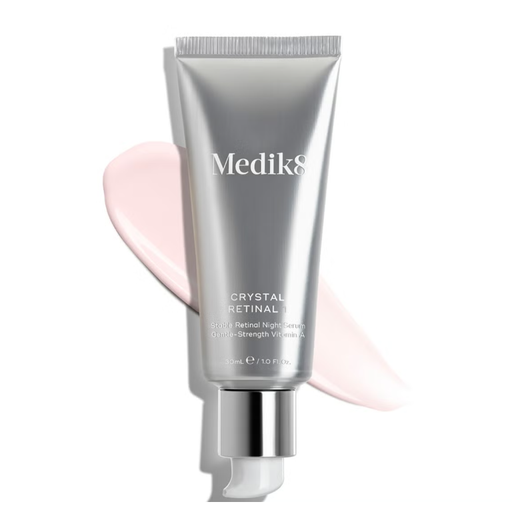
Why this product suits this profile: According to the product description, the formula uses stabilised, encapsulated retinal and combines it with ingredients including glycerin, hyaluronic acid and vitamin E.
The gradual-use plan described by the supplier recommends applying it twice a week at first. This helps you avoid introducing the product into your routine too quickly.
Encapsulated retinal; 30 ml; moisturisers and squalane are listed in the ingredients.
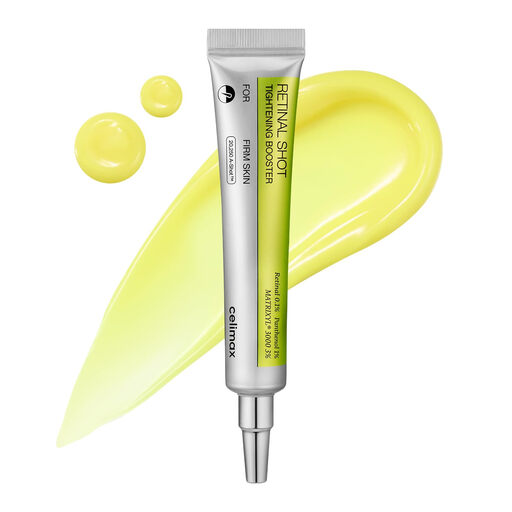
Why this product suits this profile: The booster lists 0.1% retinal, as well as peptides, niacinamide and panthenol. Starting with targeted application may appeal if you want to focus on specific areas.
The product instructions recommend starting with a very small amount and limiting how often you apply it. They also advise against combining it with strong acids or other retinoids.
0.1% retinal stated; 3% Matrixyl 3000 according to the product description; panthenol and niacinamide are listed in the INCI list.
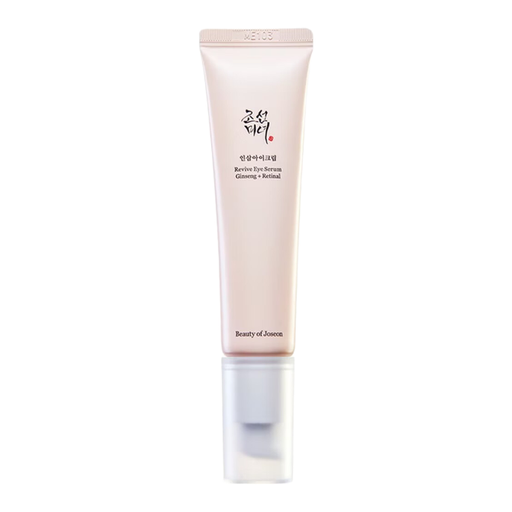
Why this product suits this profile: This retinal eye serum is formulated for the eye area and, according to the INCI list, also contains ginseng, niacinamide, ceramides and sodium hyaluronate.
The directions say it can be used around the eyes or over the whole face, but specifically advise keeping it away from the eyes. This doesn’t eliminate the risk of applying it incorrectly, but the instructions are clear and easy to follow.
30 ml; ginseng, ceramides and hyaluronate listed in the ingredients; suitable for a targeted K-beauty skincare routine.
We’ve put together a complete, regularly updated list of products that meet these strict selection criteria and fully comply with the safety regulations in force in the EU.
Don’t combine retinal with other retinoids, highly concentrated vitamin C, salicylic acid or AHAs in the same evening routine unless you know for certain that your skin can tolerate it. If you’re pregnant, trying to conceive or breastfeeding, use vitamin A derivatives only after consulting a doctor. Don’t use retinal on irritated or broken skin.
Retinal and retinol are different vitamin A derivatives. Retinal is often called retinaldehyde, while retinol follows a different conversion pathway. It isn’t possible to make a reliable blanket judgement about which is better. Concentration, formula, how well your skin tolerates it and consistent use alongside sun protection all matter.
If you’re new to retinal, start with once or twice a week and only increase use if your skin tolerates it well. Experienced retinol users may have a different starting point, but should still follow the specific instructions from the manufacturer. Using more product or applying it more often won’t automatically give you better cosmetic results.
Check the expiry date and the Period After Opening symbol on the packaging. Retinal is sensitive to light and heat, so keep the product tightly closed in a dry place, ideally protected from light. If its smell, colour or consistency changes noticeably, stop using it and check the packaging instructions.