
Lieferung heute & morgen

Qualitätsgarantie

Willkommens-Angebote freischalten: KOSTENLOSE Lieferung | Bis zu 80 % RABATT | Kostenlose 30-Tage-JoyPlus-Testphase
App herunterladen
A retinal serum is intended for adults concerned about visible wrinkles, enlarged pores, uneven skin texture or loss of firmness. This active ingredient is a vitamin A derivative and is mainly used as a retinal night serum. But choosing one isn’t just about the strength advertised on the label. The format, stabilisation, usage instructions and how well your skin tolerates it all matter too.
Retinaldehyde, or retinal for short, and retinol are related but different vitamin A derivatives. A product containing retinol is therefore not automatically a retinal serum for wrinkles. If you’re specifically looking for retinal, check the INCI list. The ingredient should be listed as “Retinal” or “Retinaldehyde”.
A 0.1% retinal serum may appeal to experienced users, but it isn’t necessarily the right place to start. Percentages for different vitamin A derivatives can’t be compared directly. Encapsulation, formulation and how often you use the product also affect how much your skin is exposed to.
Terms such as “firming”, “refining” or “intensive” often describe how a product is positioned. More useful are details you can check: the type and concentration of the active ingredient, pack size, whether it’s for evening use, supporting ingredients and warnings. Claims such as “clinically proven” should only be taken into account when a specific source is provided. A cosmetic product description is no substitute for medical advice.
When choosing a retinal serum for mature skin, first check that it actually contains retinal. According to the product information, celimax THE VITA-A RETINAL SHOT TIGHTENING BOOSTER contains 0.1% retinal. Medik8 Crystal Retinal 1 is listed as containing 0.01% stabilised retinal. The two products therefore fall into different concentration ranges.
A serum for enlarged pores may also contain niacinamide, peptides or moisturising ingredients. These can complement your skincare routine, but they don’t change the basic tolerability of the vitamin A derivative.
Retinal and retinol are sensitive to light and air. Look for light-protective packaging, a secure closure and clear information about the expiry date and Period After Opening. If a product comes in a jar, the formula is exposed to more air each time you use it than it would be in a well-sealed pump dispenser or tube.
An anti-ageing serum containing retinal should generally be applied in the evening to clean, dry skin. If you’re new to it, start by using it a few times a week and increase the frequency gradually. Stop using it if you experience redness, stinging, persistent flaking or significant irritation.
Using sun protection with at least SPF 30 in the morning is a good idea. Unless you’re confident your skin can tolerate it, don’t combine products containing retinoids with strong exfoliants, AHA, BHA or highly concentrated vitamin C in the same evening routine. Special precautions apply during pregnancy, when trying to conceive and while breastfeeding. Follow the product information carefully and seek medical advice if you’re unsure.
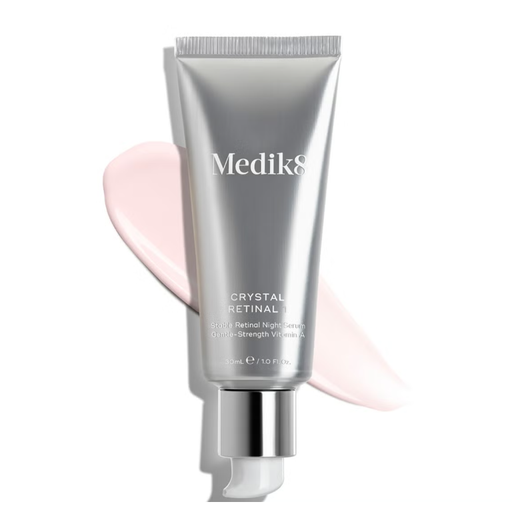
Why this product suits this profile: The stated concentration of 0.01% stabilised retinal and the recommended gradual introduction offer a clearly defined way to start using a retinal product.
The active ingredient concentration is stated directly in the product description, making it easier to compare with other retinal products.
15 ml size, retinal as the main active ingredient, plus hyaluronic acid, glycerin and vitamin E according to the product information.
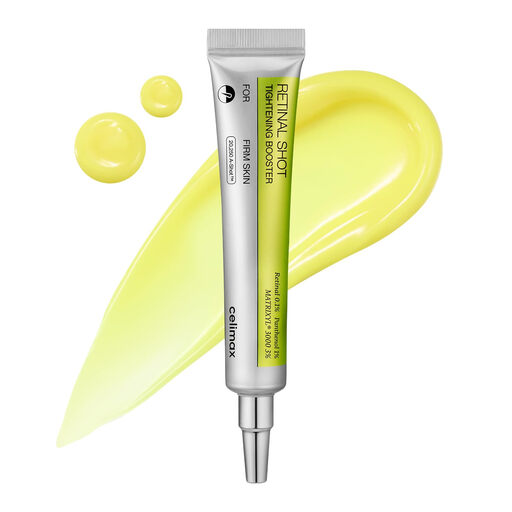
Why this product suits this profile: For experienced users looking for a highly concentrated retinal night serum who want to start by targeting specific areas, such as wrinkles or pores.
The description specifies 0.1% retinal and an encapsulated formula. The recommended tolerance phase helps you avoid using it too often.
0.1% retinal, 3% Matrixyl 3000 according to the product information, plus panthenol and niacinamide as supporting ingredients.
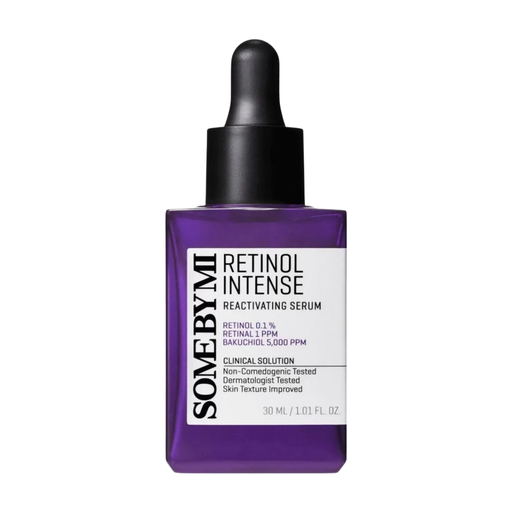
Why this product suits this profile: For anyone looking for a formula combining retinol and retinal, and wanting to add other skincare ingredients to their evening routine.
The product description clearly states that it combines 0.1% retinol, 1 ppm retinal and 5,000 ppm bakuchiol. These individual active ingredients shouldn’t be treated as equivalent to one overall percentage.
30 ml size, plus niacinamide, panthenol, Ceramide NP and Centella asiatica according to the INCI list.
We’ve put together a complete, regularly updated list of products that meet these strict selection criteria and fully comply with the safety regulations in force in the EU.
A serum for firmer-looking skin is no substitute for dermatological treatment. Visible skin changes can have many causes. If you have significant inflammation, open areas of skin or an existing skin condition, seek medical advice before using a vitamin A product.
It depends on the concentration, formulation and how well your skin tolerates it. For many first-time users, starting gradually with two or three applications a week is a cautious approach. Always follow the manufacturer’s specific instructions.
There’s no need to combine them in the same evening routine, and doing so may increase the strain on your skin. If you already use a retinol product, don’t add a highly concentrated retinal serum without carefully considering how well your skin can tolerate it.
Check the printed expiry date and the PAO symbol on the packaging. Light, heat and leaving the product open for long periods can put additional strain on sensitive vitamin A derivatives. Store the product in a cool, dry place with the lid firmly closed.