
Lieferung heute & morgen

Qualitätsgarantie

Willkommens-Angebote freischalten: KOSTENLOSE Lieferung | Bis zu 80 % RABATT | Kostenlose 30-Tage-JoyPlus-Testphase
App herunterladen
Finding an effective Retinol Cream can quickly become a complex task. The market is saturated with products promising visible skin improvement, yet not all deliver on their marketing claims. Many users invest in an anti-wrinkle cream only to be disappointed by a lack of results or unwanted skin irritation. This guide serves as a roadmap to help you understand crucial product features and make an informed choice.
Before choosing a product, it's helpful to know the most common stumbling blocks that often lead to unsatisfactory results.
To avoid these pitfalls, you should check three essential aspects before buying. These parameters are crucial for the effectiveness and tolerability of any retinol product.
Not all retinoids are created equal. The choice largely depends on your experience and skin sensitivity.
A transparent declaration of the concentration on the product is a sign of the manufacturer's credibility.
The effectiveness of a night cream with retinol depends entirely on its packaging. Look for the following features:
A stable formula in protective packaging ensures the product remains effective down to the last drop.
A good retinol cream is more than just retinol. Look for a formula that simultaneously nourishes and protects the skin.
Based on the criteria above, we have compiled a selection of products tailored to different needs and experience levels.
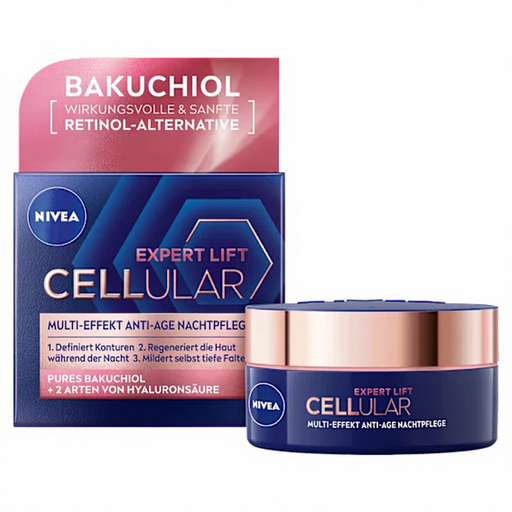
Why this product is a good fit: An excellent choice for those with sensitive skin or for anyone who cannot tolerate retinol. This cream relies on a plant-based alternative for a firming facial treatment.
Completely bypasses the issue of retinol irritation by using pure Bakuchiol. The formula focuses on a proven gentler, yet still effective, anti-ageing treatment.
Combines Bakuchiol with micro and macro hyaluronic acid to firm and intensely moisturise the skin overnight, without the typical adjustment period associated with retinol.
We have compiled a complete, up-to-date list of products that fully meet these strict selection criteria and current safety regulations.
1. How often should I use a retinol cream? For beginners, it is recommended to apply the cream only two to three times a week in the evening for the first two weeks. If the skin tolerates this well, the frequency can be increased to every other night and eventually to daily use. Monitor your skin closely and reduce the frequency if you see signs of severe irritation.
2. Can I also use a retinol cream during the day? Generally, retinol products are designed for nighttime use. Retinol can make the skin more sensitive to UV radiation and is degraded by sunlight, which reduces its effectiveness. Therefore, evening application is ideal. Regardless, daily use of a broad-spectrum sunscreen with a high SPF (at least 30) is essential when using retinol products. There are special day creams with encapsulated retinol and SPF, such as the Neutrogena Retinol Boost Day Care SPF 15, which are designed for morning use.
3. What is the difference between a retinol cream and a retinol serum? A Retinol Serum typically has a lighter, more fluid texture and often a higher concentration of the active ingredient. It is designed to penetrate deep into the skin and is applied under a moisturiser. A Retinol Cream already combines the active ingredient with nourishing and moisturising lipids. It is often richer and can be used as the sole final step in an evening skincare routine, especially for dry or normal skin.