
Lieferung heute & morgen

Qualitätsgarantie

Willkommens-Angebote freischalten: KOSTENLOSE Lieferung | Bis zu 80 % RABATT | Kostenlose 30-Tage-JoyPlus-Testphase
App herunterladen
The search for an effective anti-aging cream can be a challenge, given the overwhelming array of products and active ingredients. Retinol, a derivative of Vitamin A, has particularly established itself as a key ingredient in skincare for reducing the signs of aging. But which retinol cream is the right one for your skin type and needs?
This guide is here to help. It explains the key differences between products, highlights important criteria for your purchasing decision, and presents a selection of formulas for various experience levels. The goal is to provide you with an objective foundation to make an informed choice.
Choosing the right product depends on several factors. The concentration of the active ingredient, the formulation, and your individual skin condition are crucial for both tolerance and results.
Retinoids is the umbrella term for a family of Vitamin A derivatives. In cosmetic skincare, retinol and retinal are the most significant.
Concentration is a critical factor for efficacy and tolerability.
Retinoids make the skin more sensitive to light. Therefore, a night cream with retinol should be applied exclusively in the evening to clean, dry skin. The following morning, applying a broad-spectrum sunscreen (SPF 30 or higher) is essential.
Look for formulations that contain soothing and moisturizing ingredients to counteract potential irritation. These include:
Based on the criteria mentioned, we have compiled a selection of products for different needs and experience levels.
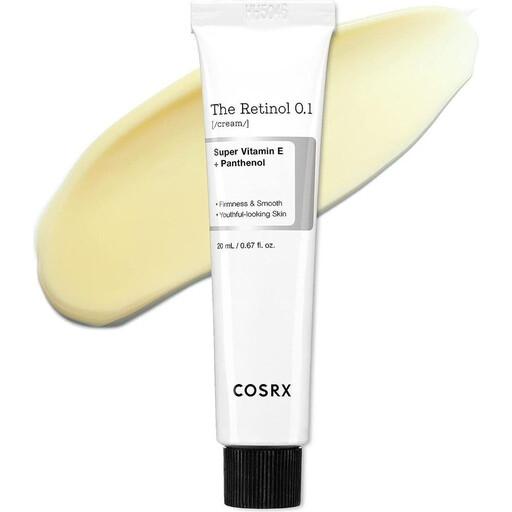
Cosrx The Retinol 0.1 Cream 20 Ml
Why It Stands Out: This cream is specifically designed for those new to the world of retinoids. The mild concentration of 0.1% pure retinol minimizes the risk of skin irritation and allows for a gentle acclimatization.
Benefits:
Who It's For: Individuals who are buying a retinol cream for the first time or have very sensitive skin and want to combat the first fine lines.

COSRX The Retinol 0.3 Cream 20ml
Why It Stands Out: As the next step in the Cosrx Retinol line, this cream offers a medium concentration for more visible results on advanced signs of aging.
Benefits:
Who It's For: Users who already have experience with lower retinol concentrations and are looking for a more potent cream for wrinkles.
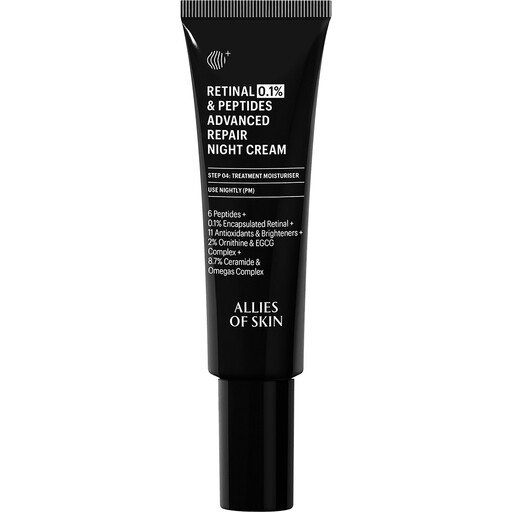
Allies of Skin Retinal 0.1% Peptides Repair Night Cream
Why It Stands Out: This night cream features 0.1% encapsulated retinal, a more potent form of the Vitamin A derivative. The formula is combined with a complex of peptides, antioxidants, and ceramides to deliver a comprehensive anti-aging effect.
Benefits:
Who It's For: Experienced retinoid users who are looking for a high-potency anti-aging cream and want to take their routine to the next level.
Choosing a retinol product is a very personal decision. If the products featured don't exactly match what you're looking for, or if you'd like to compare more options, you're sure to find a suitable alternative in our broader selection.
Discover more products in our Retinol Moisturizer category.
1. When is the right time to start using a retinol cream? A good time to start is in your mid-to-late 20s, when the body's natural collagen production begins to slow down. Using it preventatively can help slow the formation of the first fine lines.
2. How often should you use a night cream with retinol? For beginners, it's recommended to start with one to two applications per week. Observe how your skin reacts. If you don't experience excessive redness or peeling, you can slowly increase the frequency to every other night and, depending on tolerance, eventually to every night.
3. What is the difference between a retinol and a retinal cream? Both are forms of Vitamin A. The main difference lies in the conversion process within the skin. Retinal is the direct precursor to retinoic acid, the active form that the skin utilizes. Therefore, a retinal cream generally works faster and is more potent than a retinol cream of the same concentration. This is why retinal is often found in products for advanced users.