
Lieferung heute & morgen

Qualitätsgarantie

Willkommens-Angebote freischalten: KOSTENLOSE Lieferung | Bis zu 80 % RABATT | Kostenlose 30-Tage-JoyPlus-Testphase
App herunterladen
A retinol cream can be a useful addition to a targeted skincare routine if fine lines, uneven skin texture or a dull complexion are your main concerns. However, the choice can be confusing: retinol face creams, retinol night creams, retinal creams, serums and eye care products differ in their active ingredients, concentrations, textures and how you use them.
If you focus only on terms such as ‘intensive’, ‘repair’ or ‘anti-ageing’, it’s easy to buy a product that doesn’t suit your skin or your existing skincare routine. Three common buying mistakes are particularly worth avoiding:
The packaging should clearly state whether the formula contains retinol, retinal or another retinoid. Some products specify the concentration:
Percentages are directly comparable only when the products contain the same active ingredient and use comparable labelling. A retinal cream shouldn’t therefore be automatically classed as stronger or weaker than a retinol face cream.
For sensitive skin or dry skin, an easy-to-use formula with hydrating ingredients is important. Panthenol, glycerin, hyaluronic acid, squalane, shea butter and ceramides can support a formula’s moisturising properties. Niacinamide is also commonly used and can be found in some K-beauty retinol products.
If you’re sensitive to fragrance, check the INCI list. Products such as Clinique Smart Repair Treatment Retinol Anti-Aging Radiant Cream are described as fragrance-free, while other formulas contain parfum or essential oils. Always refer to the current ingredients list on the product packaging.
Retinol is usually applied in the evening to clean, dry skin. If you’re just starting out, try a small amount on one or two evenings a week. If your skin tolerates it well, you can gradually use it more often. A retinol night cream is often a better fit than a day cream.
Packaging that protects the product from air and light can be practical for sensitive active ingredients. If a product has specific storage instructions, such as The Retinol 0.3 Cream, follow the manufacturer’s guidance. Apply broad-spectrum sun protection the next morning. If redness, stinging or flaking persists, stop using the product and, if necessary, seek advice from a dermatologist. If you’re pregnant or breastfeeding, it’s sensible to seek personalised medical advice.
The recommendations below compare products by their stated concentrations, textures, ingredients and application guidance. Cosmetic claims are not a substitute for medical advice.
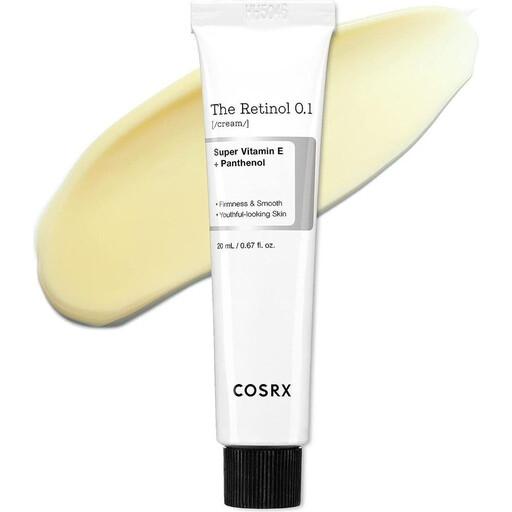
Why this product suits this profile: With a stated retinol concentration of 0.1 per cent and a compact 20 ml tube, it’s a good fit for anyone looking for a manageable product to start with.
The concentration is clearly stated. Panthenol, allantoin, shea butter and several forms of hyaluronic acid complement the formula.
0.1 per cent retinol, antioxidant vitamin E and guidance on how to introduce it gradually.
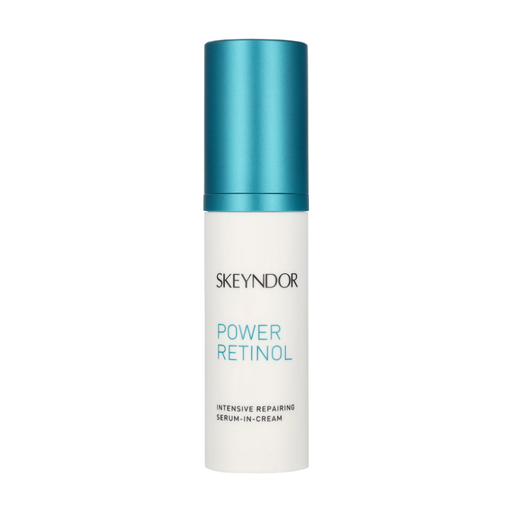
Why this product suits this profile: Its serum-in-cream texture combines easy application with nourishing ingredients and fits into an evening routine.
The product description lists retinol, bakuchiol and tocopherol. Check the packaging for the exact amount of retinol.
30 ml size, a fast-absorbing texture according to the product description, and evening use.
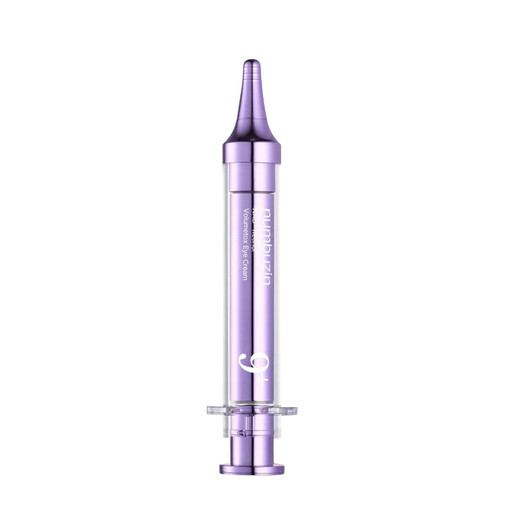
Why this product suits this profile: If you’re looking for a separate retinol eye cream for the delicate eye area, this product is specifically designed for that purpose.
It’s designed for use around the eyes. Even so, avoid direct contact with your eyes.
Korean-formulated product with NAD+, retinol and peptides, according to the product description.
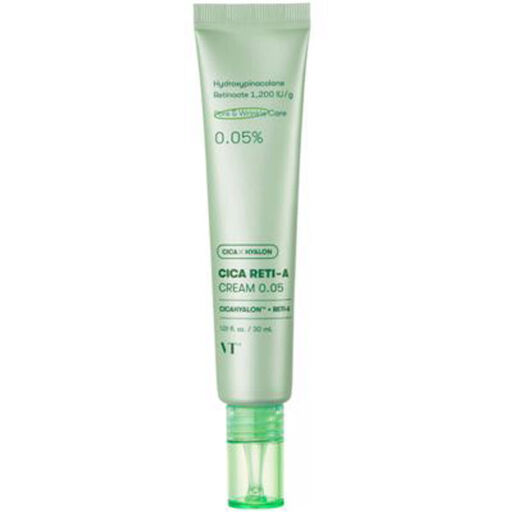
Why this product suits this profile: The formula combines 0.05 per cent retinol with HPR, Centella asiatica extract, niacinamide and hyaluronic acid.
The lower stated retinol concentration and advice to start slowly help you build your routine at a manageable pace.
Cica, propolis, panthenol and three types of hyaluronic acid are listed as complementary ingredients.
We’ve put together a complete, regularly updated list of products that meet these strict selection criteria and fully comply with the safety regulations in force in the EU.
Beginners usually start with a small amount on one or two evenings a week. You can gradually increase how often you use it, depending on how your skin responds. If your skin is dry, you can also use a rich moisturiser. If irritation occurs, it’s sensible to take a break.
Check the best-before date printed on the product, the period-after-opening symbol and the manufacturer’s instructions. Once opened, use the cream within the stated period and store it away from light and heat. If its smell, colour or consistency changes, check the product carefully or dispose of it.
Hyaluronic acid and niacinamide are often used as complementary ingredients in retinol products. Whether you should use several products together depends on how well your skin tolerates them. Strongly irritating acids, physical exfoliants and several retinoids in the same routine can increase the risk of irritation. Check the relevant application guidance and current INCI list before combining products.