
Lieferung heute & morgen

Qualitätsgarantie

Willkommens-Angebote freischalten: KOSTENLOSE Lieferung | Bis zu 80 % RABATT | Kostenlose 30-Tage-JoyPlus-Testphase
App herunterladen
Depending on its formulation, a retinol cream can be used as part of your evening skincare routine, as a retinol night cream or specifically around the eyes. However, a product labelled “anti-ageing” is not automatically suitable for every skin type. What matters is the form of the active ingredient, its concentration, the packaging and a realistic plan for using it.
Retinol 0.1%, retinol 0.3% and retinal products cannot be compared by the number alone. Retinaldehyde, often called retinal, is a different form of vitamin A from retinol. Encapsulated or time-release ingredients may also behave differently when it comes to application and tolerance.
A higher concentration is therefore not automatically the better choice. A lower dose, such as 0.1%, may be more suitable for beginners, while experienced users may prefer a more potent retinol face cream.
When you are not used to it, retinol may be associated with dryness, redness or a feeling of tightness. A cream containing hyaluronic acid, panthenol, squalane, shea butter or ceramides can complement your skincare routine, but it does not replace the need to introduce retinol gradually.
If you have dry, sensitive or mature skin, it is particularly important to consider the whole formulation, not just the amount of retinoid.
Many retinol products are intended for your evening routine. During the day, sun protection with an appropriate SPF should be part of your skincare routine. A day cream with SPF 15, like one of the products listed here, does not automatically offer the same protection as a separate, higher-SPF broad-spectrum sunscreen.
First, check whether the product description actually names retinol, retinal or an alternative vitamin A compound. For example, The Retinol 0.1 Cream is listed as containing 0.1% retinol. The The Retinol 0.3 Cream variant contains 0.3% retinol according to the product information and is aimed at users with relevant experience.
A retinal cream such as Medik8 Crystal Retinal Ceramide 10 Eye Cream, on the other hand, contains retinaldehyde and is intended for the eye area. These products are not directly comparable with a classic anti-wrinkle cream for the whole face.
Retinoids can be sensitive to light, air and heat. Tubes, pumps and air-reduced packaging help limit exposure to the surrounding environment. However, you should still check the best-before date, the stated shelf life after opening and the storage instructions on the packaging.
If you are buying a product with 0.3% retinol, pay particular attention to the storage instructions. For example, the product information may recommend keeping it in a cool place and using it within a short time of opening.
For sensitive skin, gentle, fragrance-free or barrier-supporting formulations are often easier to work into a routine. Fragrances and essential oils may be an additional factor to consider for some people. If your skin tends to be dry, you may prefer a retinol cream containing glycerin, hyaluronic acid, ceramides or richer lipids.
If you have mature skin with pronounced dryness, a rich cream may feel more comfortable than a lightweight gel texture. A fast-absorbing formula may be more practical for combination or oily skin.
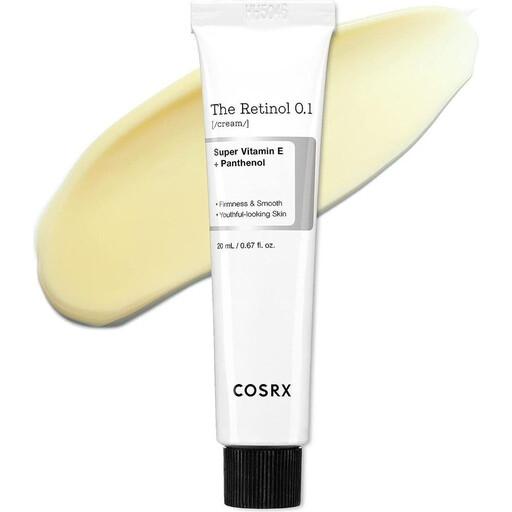
Why this product suits this profile: Its stated retinol concentration of 0.1% offers a clear starting point for anyone looking to begin their first retinol routine with a face cream.
The percentage is clearly stated in the product information, making the concentration easier to assess than vague terms such as “vitamin A complex”.
The stated formulation includes 0.1% retinol, panthenol, allantoin, shea butter and several forms of hyaluronic acid.
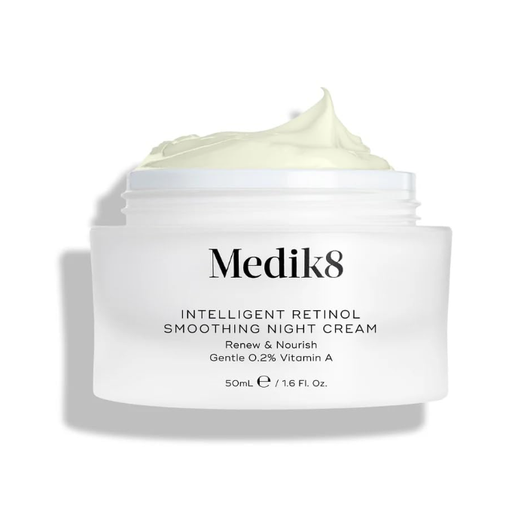
Why this product suits this profile: This night cream contains 0.2% time-release retinol and combines it with a nourishing cream base for the face, neck and décolletage.
The product description specifies the amount of active ingredient, its time-release delivery and a gradual introduction. This makes it easier to plan your routine rather than applying it every day from the outset.
According to the product information, it contains squalane, sodium hyaluronate and vitamin E; its texture is described as fast-absorbing.
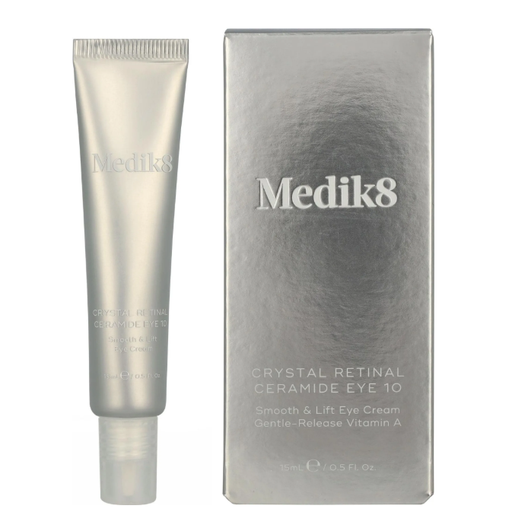
Why this product suits this profile: This eye cream is designed specifically for the delicate eye area and is applied in small amounts in the evening.
It is intended for use around the eyes, helping you avoid applying a general face cream too close to the eye.
According to the product description, it contains retinaldehyde, ceramides, hyaluronic acid and squalane; the texture is described as lightweight and fast-absorbing.
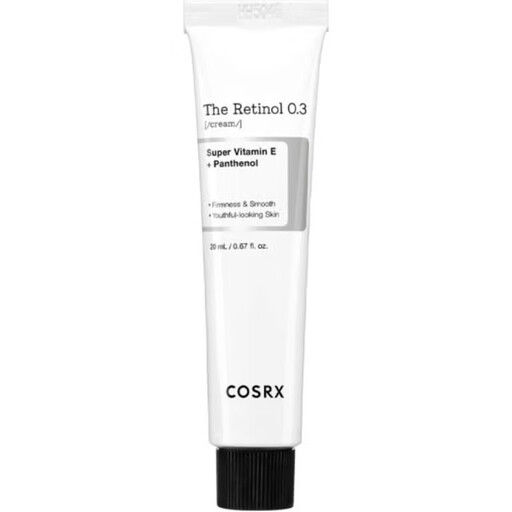
Why this product suits this profile: According to the product description, its clearly stated 0.3% concentration is aimed at people with retinol experience and it is for evening use only.
The instructions recommend increasing use gradually. They also advise against using certain acids at the same time and applying the product directly around the eyes.
The product information lists 0.3% pure retinol, panthenol, allantoin, tocopherol and sodium hyaluronate.
We’ve put together a comprehensive, regularly updated list of products that meet these strict selection criteria and fully comply with the safety regulations in force in the EU.
Avoid using retinol at the same time as several strong exfoliants, other retinoids or potentially irritating combinations of active ingredients until you know how well your skin tolerates them. If irritation persists, stop using the product and seek medical advice if needed. Cosmetic products are not intended to treat skin conditions.
Beginners usually start with one or two evenings a week. Only increase how often you use it if your skin tolerates the product well. Always follow the instructions on the relevant packaging.
This depends on the product. Information such as “12 months after opening” or “3 months after opening” can be found on the packaging or in the product data sheet. Always close the tube or pump carefully after use.
Hyaluronic acid is often used to support hydration and features in several of the formulations listed here. What matters is how well your skin tolerates your overall routine. If you have sensitive skin, introduce any new combination gradually.