
Lieferung heute & morgen

Qualitätsgarantie

Willkommens-Angebote freischalten: KOSTENLOSE Lieferung | Bis zu 80 % RABATT | Kostenlose 30-Tage-JoyPlus-Testphase
App herunterladen
A retinol cream can be a useful addition to your skincare routine if you’re concerned about early fine lines, uneven skin texture or a dull-looking complexion. Choosing one isn’t always straightforward, though: terms such as “Pro-Retinol”, “Vitamin A” and “firming” aren’t always used consistently. What matters is the specific form of the active ingredient, its concentration, the formulation and how you use the product.
Retinol is not the same as retinal or retinyl palmitate. They all belong to the vitamin A derivative family, but differ in their chemical form. So a product labelled “Pro-Retinol” won’t necessarily have the same formulation as a retinol face cream that lists pure retinol.
When comparing products, check the INCI list and the specific active ingredient stated. For example, the sebamed Anti-Ageing Rebuilding Cream Q10 and Vitamin A lists retinyl palmitate. The Retinol 0.1 Cream, on the other hand, explicitly states retinol 0.1 per cent.
Retinol 0.3 per cent is more concentrated than retinol 0.1 per cent. That doesn’t mean it’s a better fit for every skin type. Beginners often benefit from starting with a lower concentration and gradually building up their use. If your skin is sensitive or dry, look out for soothing and moisturising ingredients too.
Concentration is only one factor. Packaging, stability, texture and supporting ingredients all affect how practical a product is to use.
Some products, such as L'Oréal Paris Revitalift Anti-Ageing + Firming Pro Retinol Day Cream and Neutrogena Retinol Boost Anti-Ageing Day Cream, state an SPF. The level of protection you get can vary depending on how much you apply, how you apply it and how long you spend outdoors. If you’re in the sun for an extended period, additional sun protection is a good idea.
If you’re considering a retinol day cream, check that its texture works under make-up. A retinol night cream is usually easier to fit into an evening routine.
Check whether the product actually lists retinol, a retinoid derivative or simply a general vitamin A term. For retinol beginners, products with a low concentration or clear advice on how to introduce them gradually can make it easier to get started.
The following details may help you narrow down your options:
If you have dry skin, ingredients such as glycerin, panthenol, shea butter, squalane or hyaluronic acid may be worth looking for. A lightweight, fast-absorbing texture may feel more comfortable on normal or oily skin. If your skin is sensitive, check fragrance and essential oils particularly carefully.
If you’re looking for a face cream for wrinkles, an anti-wrinkle cream or a firming face cream, don’t rely on marketing claims alone. Check the full ingredients list, the stated retinoid form and the directions for use.
Retinoids can be sensitive to light, heat and air. Tubes or airtight packaging can make products easier to handle. According to the product description, The Retinol 0.3 Cream comes in an airtight aluminium tube and should be stored somewhere cool or refrigerated after opening. Always follow the instructions on the product packaging.
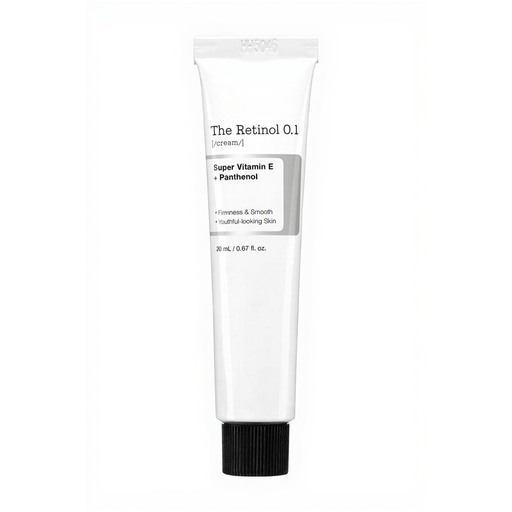
Why this product suits this profile: Its stated retinol concentration of 0.1 per cent and recommendation to introduce it gradually offer clear guidance for getting started.
The specific active ingredient is clearly stated, so it’s less likely to be confused with a product making a general vitamin A claim.
0.1 per cent retinol, panthenol, allantoin and several forms of hyaluronic acid, according to the product details.
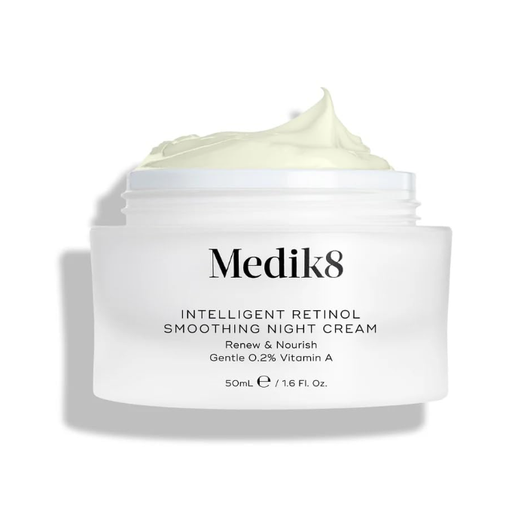
Why this product suits this profile: This retinol night cream contains 0.2 per cent time-release retinol and includes ingredients such as glycerin, squalane and sodium hyaluronate.
The stated concentration and specific usage advice make it easier to plan how you introduce the product than with a vague anti-ageing claim.
Night-time skincare with a stated concentration, plus vitamin E, squalane and hyaluronic acid according to the INCI list.
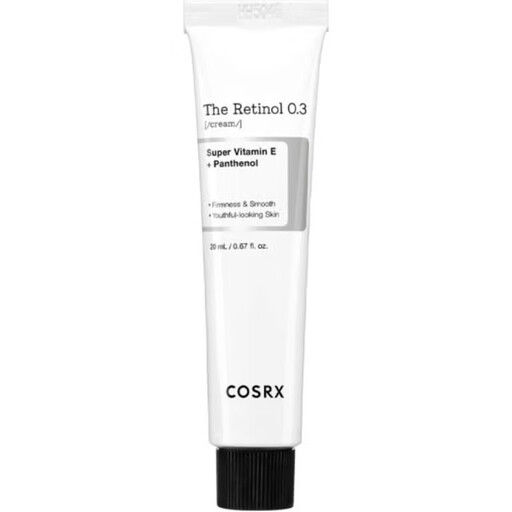
Why this product suits this profile: According to the product description, its stated concentration of 0.3 per cent is intended for people who already have experience using retinol.
The directions advise increasing use gradually and warn against using certain exfoliants and acids at the same time.
0.3 per cent pure retinol, plus panthenol, allantoin, tocopherol and sodium hyaluronate, according to the product details.
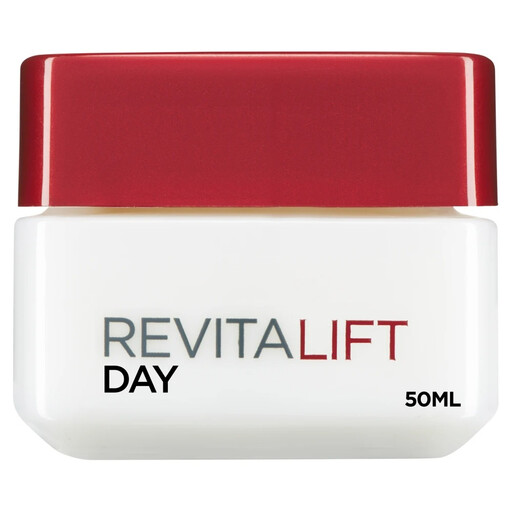
Why this product suits this profile: This day cream is applied to the face and neck in the morning and, according to the product details, contains an SPF as well as retinyl palmitate.
The product type and stated SPF are clearly indicated. However, you should still supplement its sun protection to suit your personal exposure to the sun.
50 ml jar, moisturising ingredients such as glycerin and stated sun protection, according to the product description.
The product’s shelf life depends on its best-before date, batch information and the period-after-opening symbol. Store retinol cream tightly closed, in a dry place and away from direct light.
We’ve put together a complete, regularly updated list of products that meet these strict selection criteria and fully comply with the safety regulations in force in the EU.
Beginners often start by using it two or three times a week, increasing the frequency only if their skin tolerates it well. Always follow the specific advice on the packaging.
It depends on your individual skin tolerance and the formulation. Glycerin, panthenol, hyaluronic acid or shea butter may be worth looking for. If you have sensitive skin, check for fragrance, essential oils and other active acids particularly carefully.
Check the printed best-before date and the open-jar symbol. Some products, for example, should be used within three or twelve months of opening. Always follow the information on the product packaging.