
Lieferung heute & morgen

Qualitätsgarantie

Willkommens-Angebote freischalten: KOSTENLOSE Lieferung | Bis zu 80 % RABATT | Kostenlose 30-Tage-JoyPlus-Testphase
App herunterladen
Fine lines, crow’s feet, dry skin or a tired-looking eye area lead many adults to look for a retinol eye cream. But the choice can be confusing: some products really do contain retinol, while others use retinal, retinyl esters or plant-based alternatives. Shiny packaging, unclear ingredient information and overblown claims can also make it harder to choose.
This guide explains what to look for in vitamin A eye care, which formulas may suit different skin needs and which common mistakes to avoid.
Retinol, retinal and retinyl palmitate are all part of the vitamin A derivative family, but they are not identical. Retinal is converted by the skin into retinoic acid, the active form, in fewer steps than retinol. However, that alone says nothing about how well a particular product will be tolerated. Concentration, encapsulation, supporting ingredients and individual skin sensitivity all play a part.
When choosing an eye cream for wrinkles, check the full INCI list. A prominent claim on the front of the packaging is no substitute for a transparent list of ingredients.
Not every brand states the exact retinol percentage. A low or unlisted concentration may suit beginners, but it is difficult to compare with a product that gives a specific figure. For example, Heimish RX Retinol Bakuchiol Eye Cream lists 0.01% retinol and 1% bakuchiol. GOODAL lists retinol as 506 IU in its ingredient information.
These figures cannot be compared directly, as they use different labelling systems. Check the product information and packaging rather than using individual figures to rank products.
The eye area is often more sensitive to drying or irritating formulas. A moisturising eye cream containing glycerin, hyaluronic acid, squalane, ceramides or shea butter may therefore fit into a retinoid routine better than a very light formula without extra nourishing ingredients.
Fragrance, essential oils and certain plant extracts are also worth checking if you have sensitive skin. If you are prone to reactions, try a patch test on a small area of skin. Keep the cream out of your eyes.
A classic retinol eye cream may suit anyone who wants to add retinol to their skincare routine and prefers to introduce it gradually. A retinal eye cream, such as Medik8 Crystal Retinal Ceramide 10, uses retinaldehyde. Follow the manufacturer’s recommended introduction schedule.
For beginners, clear instructions matter more than a marketing term. Start with a small amount on a couple of evenings each week, increasing how often you use it only if your skin tolerates it well.
When choosing an eye cream for mature skin, vitamin A derivatives aren’t the only ingredients to consider. Ceramides, hyaluronic acid and squalane can help keep skin feeling comfortable; niacinamide may be included in formulas designed to promote a more balanced-looking complexion. These ingredients are not a substitute for medical treatment, and they will not remove dark circles regardless of their cause.
If you are looking for a firming eye cream, check the product description and INCI list. Terms such as “lifting” or “Volumetox” are marketing claims and should not be taken to mean that the product will permanently change your skin.
Retinol and retinal products are usually used in the evening, although the manufacturer’s instructions may specify otherwise. It’s a good idea to use suitable sun protection during the day, as vitamin A derivatives can increase sensitivity to light. Stop using the product if you experience redness, stinging or persistent dryness.
Eye care products commonly come in small packs of around 15 ml. Check the opening date, expiry date and storage instructions. Direct sunlight and heat can affect product stability.
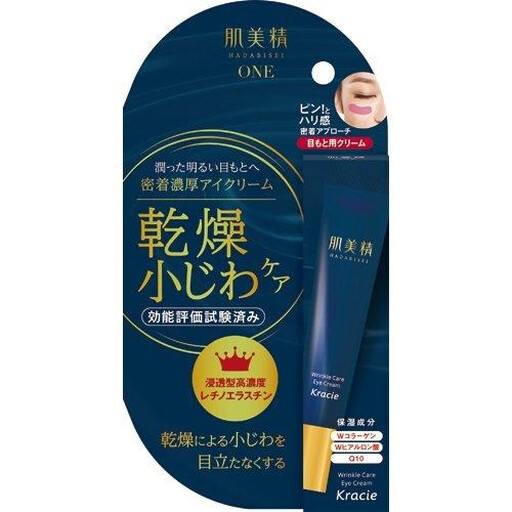
Why this product suits this profile: The cream combines retinol with glycerin and, according to the product information, is applied in a small amount morning and evening. It’s a good fit for a straightforward routine without extra specialist steps.
The active ingredient information is backed up by specific usage instructions. This makes it easier to control how much you use, rather than relying on terms such as anti-ageing.
15 g; retinol and glycerin listed in the ingredient description; targeted application using your ring finger.
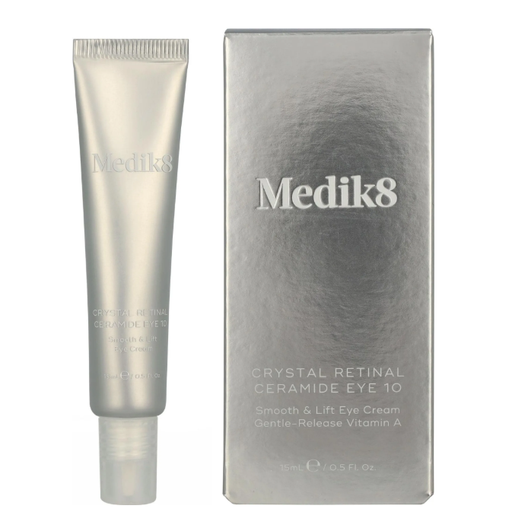
Why this product suits this profile: The formula features encapsulated retinaldehyde alongside ceramides, shea butter, hyaluronic acid and squalane. It is designed to be introduced gradually as part of a structured evening routine.
The product information names retinaldehyde and sets out a four-step introduction schedule. That means the guidance is about more than just a marketing promise.
15 ml; retinaldehyde, ceramides, hyaluronic acid and squalane; specifically described for evening use.
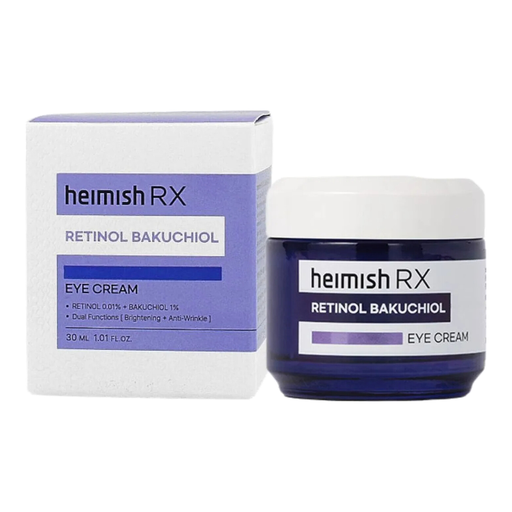
Why this product suits this profile: This Korean retinol eye cream combines a metal applicator with retinol, bakuchiol, niacinamide, shea butter and hyaluronic acid. The applicator may be a handy extra for anyone who uses eye care regularly.
The product information gives specific concentrations and lists the full active ingredient combination. This makes it easier to check how the formula matches your priorities for dry or tired-looking skin.
30 ml; retinol 0.01%, bakuchiol 1% and niacinamide 5% according to the product information; metal applicator.
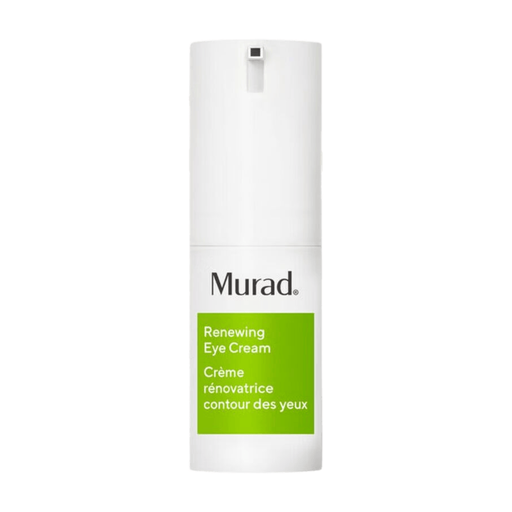
Why this product suits this profile: The cream combines retinol and retinyl palmitate with shea butter, squalane, peptides and sodium hyaluronate. It may appeal if you want vitamin A care with a richer texture.
The ingredients list shows that, alongside retinol, the formula contains nourishing and moisture-binding ingredients. This makes it easier to choose a formula that suits how you want your skin to feel.
15 ml; retinol and retinyl palmitate; shea butter, squalane, peptides and sodium hyaluronate in the INCI list.
We’ve put together a complete, regularly updated list of products that meet these strict selection criteria and fully comply with the safety regulations in force in the EU.
If you are pregnant or breastfeeding, seek medical advice before using retinoids. If you have an existing skin condition, allergies or persistent irritation, it’s a good idea to consult a doctor.
Two applications a week is a cautious starting point. If your skin tolerates it well, you can gradually increase how often you use it. Always follow the manufacturer’s specific instructions and pay attention to how your skin responds.
Check the expiry date, the symbol showing how long the product can be used after opening, and the information on the packaging. Store it in a cool, dry place away from direct light. Stop using it if its smell, appearance or feel on your skin changes.
Dark circles can have various causes, including pigmentation, visible blood vessels, shadows caused by facial structure or lack of sleep. Eye care can moisturise the skin and help it look more cared for, but it cannot be assumed to remove the underlying cause.