
Lieferung heute & morgen

Qualitätsgarantie

Willkommens-Angebote freischalten: KOSTENLOSE Lieferung | Bis zu 80 % RABATT | Kostenlose 30-Tage-JoyPlus-Testphase
App herunterladen
As your Joybuy Product Recommendation Officer, my mission is to provide you with clear, objective information. The skincare market is saturated with promises, especially when it comes to active ingredients like retinol. A good retinol night cream can be a valuable part of your routine, but finding the right product is often a journey fraught with marketing traps and exaggerated claims. This guide will help you identify these pitfalls and make an informed decision.
Before you invest, you should be aware of the typical issues that lead to unsatisfactory results or unnecessary expenses.
To make an informed choice, focus on these three objective criteria. They are crucial for the effectiveness and tolerability of your anti-aging night cream.
Not all retinol is created equal. Pay attention to the exact name in the ingredients list (INCI):
A good retinol face cream is more than just its main active ingredient. Look for a formulation that supports the skin. A retinol hyaluron cream is a classic example, as hyaluronic acid provides intense moisture, counteracting the potential drying effects of retinol. Other beneficial ingredients include:
High-quality packaging is not a luxury but a necessity to ensure the stability of the retinol. Prioritise products in:
A simple jar is generally unsuitable for an effective retinol night cream.
Here are some product recommendations tailored to different needs and experience levels.
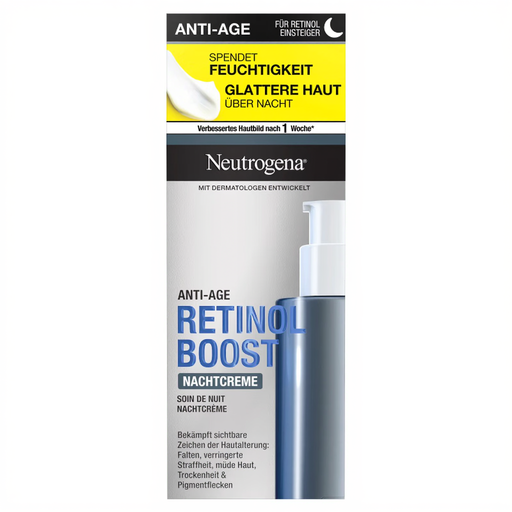
Why This Fits Their Persona: Ideal for those using retinol for the first time who are looking for a reliable, accessible option. The formulation is designed to gradually acclimate the skin to the active ingredient, and the brand is known for its dermatologically tested products.
The cream combines retinol with hyaluronic acid and myrtus plant extract to minimise the risk of irritation (trap 2). The clear application instructions for beginners prevent overwhelming the skin.
Contains pure retinol in a formulation designed for beginners. The pump dispenser protects the active ingredient from light and air.
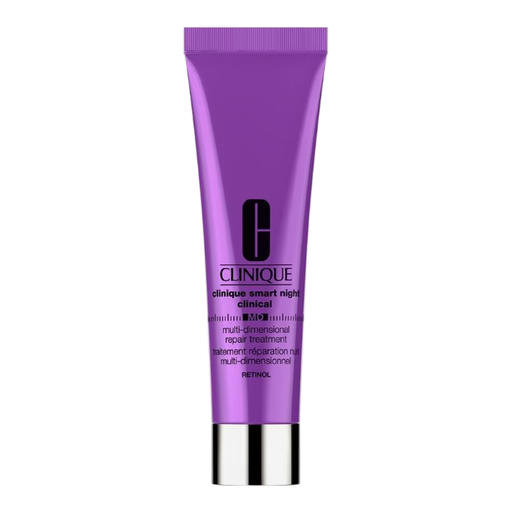
Why This Fits Their Persona: Suitable for individuals who want the benefits of retinol but are prone to skin irritation. The formulation focuses on rich nourishment and regeneration to keep the skin balanced.
The fragrance-free and allergy-tested formula is rich in nourishing lipids (mango butter), niacinamide, and hyaluronic acid. This actively counteracts the potential for dryness and irritation from retinol (avoids trap 2).
Combines retinol with a potent care complex to minimise irritation. The non-comedogenic formula is also suitable for blemish-prone skin.
We have compiled a complete, up-to-date list of products that fully meet these strict selection criteria and safety regulations.
For beginners, it is recommended to use the cream only two to three times a week for the first two weeks. This allows the skin to get used to the active ingredient. If no irritation occurs, you can slowly increase the frequency to every other night and eventually to every night. Always follow the manufacturer's specific instructions.
Caution is advised when combining it with other potent active ingredients like fruit acids (AHAs), salicylic acid (BHA), or high-concentration vitamin C. Using them at the same time can increase the risk of irritation. A common method is to alternate their use, for example, using retinol one evening and an acid exfoliant on another. However, hydrating and soothing ingredients like hyaluronic acid or niacinamide are excellent complements.
Retinol promotes cell turnover, which temporarily makes the top layer of skin thinner and more sensitive to light. Without adequate sun protection (at least SPF 30, preferably 50), you not only risk sunburn but also the formation of new dark spots. Therefore, using sunscreen is not an optional step but an absolute necessity to protect the positive effects of retinol and prevent skin damage.