
Lieferung heute & morgen

Qualitätsgarantie

Willkommens-Angebote freischalten: KOSTENLOSE Lieferung | Bis zu 80 % RABATT | Kostenlose 30-Tage-JoyPlus-Testphase
App herunterladen
As your Joybuy Product Recommendation Officer, I'm here to help you separate fact from marketing fiction. Finding an effective retinol night cream can be a challenge. The market is saturated with products making bold claims, but not all deliver on their promises. This guide will show you what to look for to make an informed decision.
Before you invest, it's crucial to understand the common mistakes that often lead to disappointment and unnecessary expense.
To avoid these pitfalls, focus on these three objective criteria.
The effectiveness of an anti-ageing night cream depends critically on the type and amount of the retinoid it contains.
A good night cream for mature skin contains not only retinol but also ingredients that strengthen the skin barrier and provide moisture. Look for:
These ingredients make a firming night cream not only more effective but also more pleasant to use.
Pay close attention to packaging that protects the active ingredient. Ideal options include:
A simple jar is unsuitable for a high-quality anti-wrinkle night cream with retinol and is a clear indicator that the formulation may not be designed for maximum stability.
Here are some products that, based on the criteria above, are suitable for different needs and experience levels.
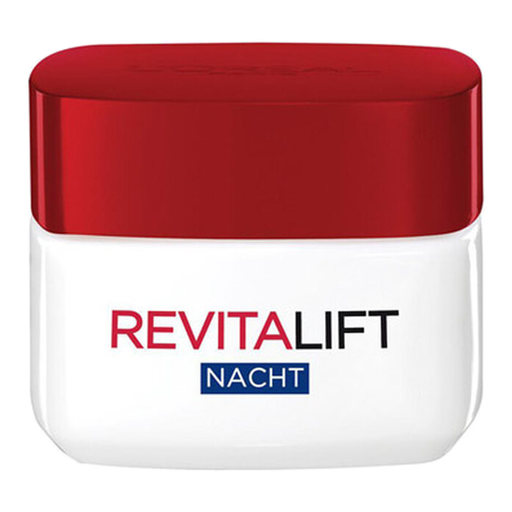
Why This Fits Their Persona: This product is designed for those starting their first anti-ageing routine. It contains Pro-Retinol, a gentler variant that is well-suited for beginners and minimises the risk of skin irritation. From an established brand, this cream offers excellent value for money.
It bypasses the 'more-is-more' fallacy by intentionally using a more tolerable retinol precursor. This allows for a gradual and gentle introduction to the world of retinoids.
The formula combines Pro-Retinol with Fibrelastyl to support skin firmness. Its moisturising texture is designed for overnight use.
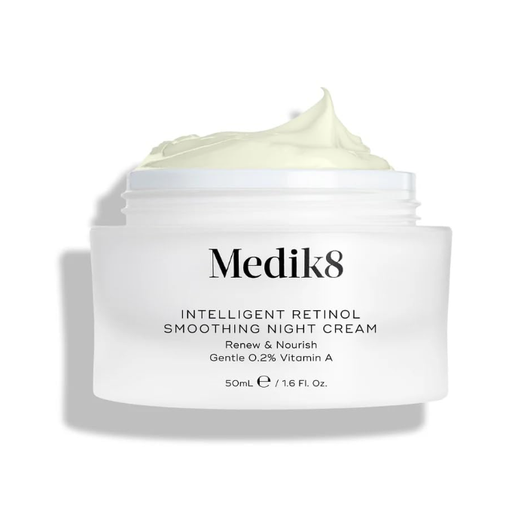
Why This Fits Their Persona: Ideal for retinol beginners or individuals with sensitive skin who want to avoid irritation. The cream uses an advanced technology to gently deliver the active ingredient to the skin.
This product directly addresses the problem of skin irritation. By using 0.2% time-release retinol technology, the active ingredient is released slowly, which is gentle on the skin and avoids the 'more-is-more' mistake.
The time-release delivery minimises irritation. The formula is also enriched with antioxidant Vitamin E and Dragon Fruit Extract to protect the skin from environmental stressors.
We have compiled a complete, up-to-date list of products that fully meet these strict selection criteria and all applicable safety regulations.
For beginners, it is recommended to start by applying it two to three times a week. Observe how your skin reacts. If no excessive irritation occurs, you can slowly increase the frequency to daily evening use over several weeks.
It is advisable not to use retinol in the same routine as strong acids (AHA, BHA) or high-concentration Vitamin C, especially at the beginning. This can increase the risk of irritation. A common method is to alternate their use: Vitamin C in the morning and retinol in the evening.
Retinol accelerates cell turnover, bringing new, more sensitive skin to the surface. This skin is more susceptible to sun damage. Therefore, daily application of a broad-spectrum sunscreen with at least SPF 30 is essential to protect the skin and not negate the positive effects of retinol.