
Lieferung heute & morgen

Qualitätsgarantie

Willkommens-Angebote freischalten: KOSTENLOSE Lieferung | Bis zu 80 % RABATT | Kostenlose 30-Tage-JoyPlus-Testphase
App herunterladen
The search for an effective Retinol Serum can quickly feel like navigating a labyrinth of marketing promises. As a vitamin A derivative, retinol is a renowned active ingredient in skincare that can help reduce the appearance of wrinkles and improve skin texture. However, the market is saturated with products whose actual performance often falls short of their advertising claims. Many users invest in an Anti-Aging Serum only to be disappointed by a lack of results or unwanted skin irritation.
This guide, created by your Joybuy Product Recommendation Officer, is designed to help you avoid these pitfalls. We focus on the objective criteria that truly matter, enabling you to make an informed decision and find a product that suits your skin's needs.
Before we delve into the key selection factors, it's important to be aware of the most common marketing traps that often lead to poor purchasing decisions.
To find a suitable Vitamin A Serum, you should focus on verifiable technical features. These three parameters are crucial for efficacy and tolerability.
Not all forms of vitamin A are created equal. The skin must first convert them into retinoic acid to be able to use them. The number of conversion steps influences the speed of action and potency.
Concentration is an important indicator, but it must always be viewed in the context of the formulation.
A good anti-wrinkle serum is characterised by a well-thought-out overall composition. Look for supporting ingredients that complement retinol's effects and mitigate potential side effects.
Here are some recommendations based on the objective criteria above, suitable for different needs and experience levels.
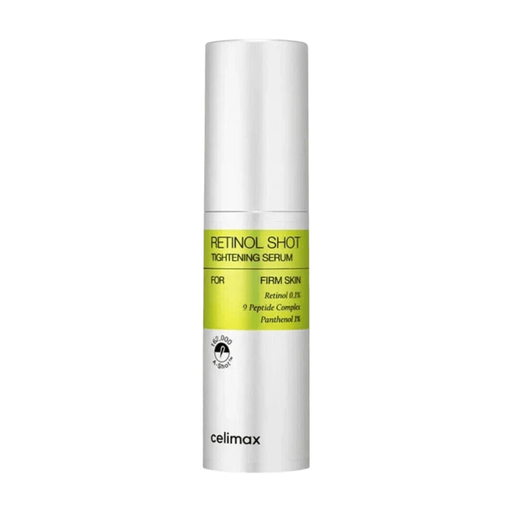
Why This Fits Their Persona: For users who want to address not only wrinkles but also enlarged pores and a loss of elasticity, this serum offers a comprehensive approach in a single product.
This serum bypasses the "single-ingredient marketing" trap by relying on a synergistic formulation. The combination of retinol, bakuchiol, and peptides demonstrates that the overall composition is crucial for the result.
The "Sustained-Release" retinol formula ensures a time-delayed release, which increases tolerability. The peptide complex also supports skin firmness and pore refinement.
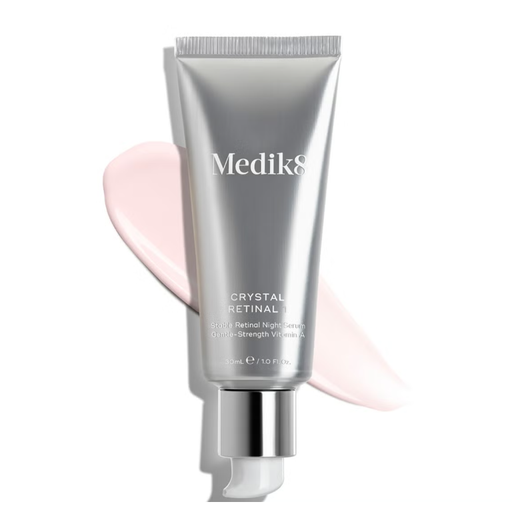
Why This Fits Their Persona: Ideal for users who already have experience with retinol and are looking for a more potent solution to combat visible signs of ageing more effectively.
This product clearly communicates that it contains retinal, a more advanced form of vitamin A. It avoids confusion by highlighting the difference from conventional retinol and targets informed users.
Uses 0.01% stabilised retinal, which, according to the manufacturer, can work up to 11 times faster than retinol. The encapsulation technology ensures stability and controlled delivery, while hyaluronic acid and vitamin E provide moisture.
We have compiled a complete, up-to-date list of products that fully meet these strict selection criteria and German safety regulations.
For beginners, it is recommended to start with one to two applications per week, exclusively in the evening. Observe how your skin reacts. If no excessive redness or irritation occurs, you can slowly increase the frequency to every other night after two to three weeks, and eventually to daily use, provided your skin tolerates it.
Caution is advised. Using retinol simultaneously with other potent active ingredients like high-concentration vitamin C, alpha-hydroxy acids (AHA), or beta-hydroxy acids (BHA) in the same routine can overwhelm the skin and weaken its barrier. A common method is to alternate their use: vitamin C in the morning and retinol in the evening. In contrast, soothing and hydrating ingredients like hyaluronic acid, niacinamide, and ceramides are an excellent complement to a retinol routine.
Patience is key. Since retinol stimulates cell turnover, which is a biological process, it takes some time for results to become visible. Initial improvements in skin texture and a more radiant complexion may be noticeable after about four to six weeks. For a visible reduction in fine lines and wrinkles, consistent use over several months is typically required.