
Lieferung heute & morgen

Qualitätsgarantie

Willkommens-Angebote freischalten: KOSTENLOSE Lieferung | Bis zu 80 % RABATT | Kostenlose 30-Tage-JoyPlus-Testphase
App herunterladen
As a Joybuy Product Recommendation Officer, I see firsthand how consumers are bombarded with information and marketing claims every day. The confusion is especially high when it comes to retinol serums. A higher percentage always seems better, and new "miracle ingredients" are constantly emerging. But it's often this marketing hype that leads to poor purchasing decisions, resulting in irritated skin and wasted money. Before you make a choice, you should know the most common pitfalls.
The 3 Most Common Traps When Buying Retinol Serums:
To find a suitable Vitamin A Serum that delivers results without overwhelming your skin, you should focus on three objective parameters.
Not all "retinol" is created equal. The active ingredients belong to the retinoid family, which varies in strength and conversion speed within the skin. Understanding this hierarchy is crucial, especially for retinol for beginners.
Beginners should start with a low concentration (e.g., 0.1% to 0.3% retinol) and slowly increase the frequency of application.
A well-formulated night serum delivers more than just the active ingredient. The overall formulation determines its tolerability and effectiveness.
Retinoids are extremely sensitive to light and air. Oxygen and UV radiation break down the active ingredient, rendering it ineffective. Therefore, proper packaging isn't a luxury—it's a necessity.
Instead of making a one-size-fits-all recommendation, we've identified products tailored to specific user profiles and their needs.
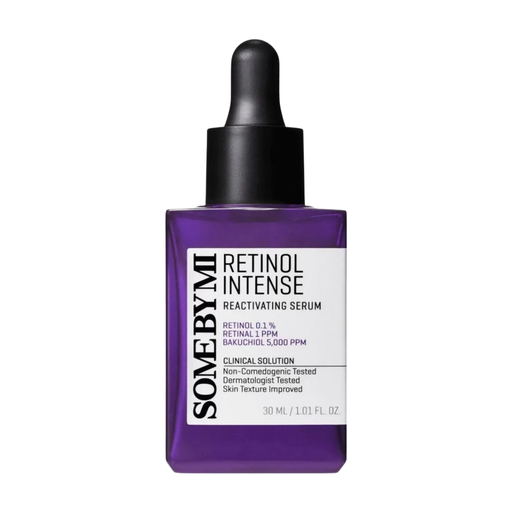
Why This Fits Their Persona: Ideal for those using a retinoid for the first time or who have sensitive skin. The formulation is designed to gradually acclimate the skin to the active ingredients.
It bypasses the "percentage trap" with a smart combination of 0.1% retinol, retinal, and bakuchiol. Instead of relying on a high dose, it leverages the synergy of different actives. It's also rich in soothing ingredients, acknowledging the need for skin barrier support.
Its patented "Elastic-Liposome" technology ensures stable and targeted delivery of the active ingredients, which enhances tolerability. The formula is specifically designed for sensitive skin and beginners.
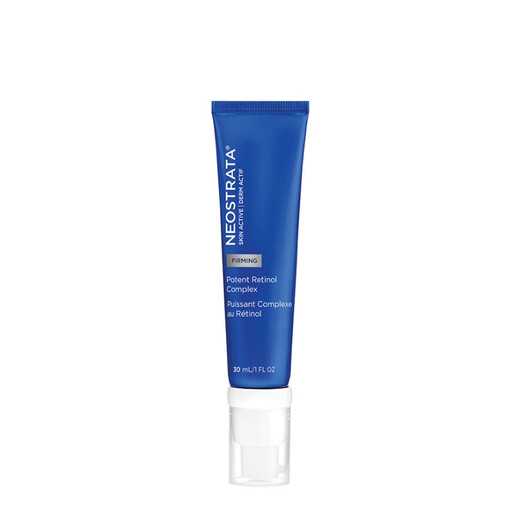
Why This Fits Their Persona: Suitable for individuals whose skin is already accustomed to retinol and who are looking for a high-performance product to target visible signs of ageing, like wrinkles and dark spots.
This serum doesn't ignore supporting ingredients. It combines 0.3% pure retinol with 4% Niacinamide and 2% NeoGlucosamine. This multi-functional formula not only targets wrinkles but also improves skin tone and texture while supporting the skin barrier.
The combination of retinol, niacinamide, and NeoGlucosamine offers a comprehensive approach to skin renewal. It works against wrinkles, dark spots, and uneven skin tone in one step. The formula is also fragrance-free and dermatologically tested.
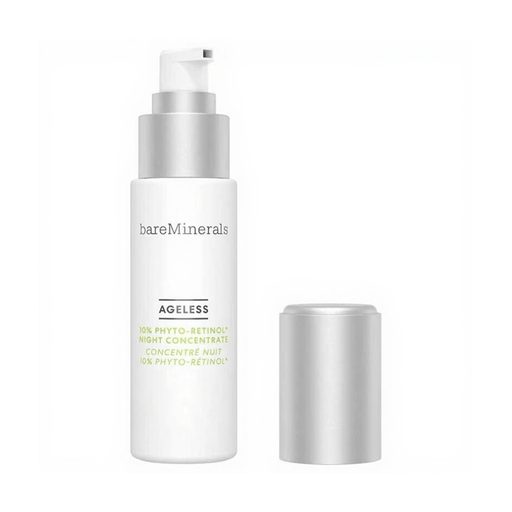
Why This Fits Their Persona: Perfect for users who want the benefits of a firming serum but wish to avoid traditional retinol due to sensitivity, pregnancy, or personal preference.
This product clarifies the "plant-based alternative" trap by transparently naming a plant-derived active (from Bidens Pilosa) as the core of its formula. It doesn't promise to be retinol but offers a distinct solution for similar skin goals, like wrinkle reduction and improved skin texture.
The formula with Phyto-Retinol from the Bidens Pilosa plant is designed to reduce the appearance of wrinkles without causing the typical irritation associated with retinoids. It's also enriched with hyaluronic acid and peptides to hydrate and firm the skin.
We've compiled a complete, up-to-date list of products that fully meet these strict selection criteria and comply with all relevant safety standards.
1. How often should I use a retinol serum? For beginners, it's recommended to start by applying it two to three times a week in the evening. Observe how your skin reacts. If there's no significant irritation after two to three weeks, you can slowly increase the frequency to every other night and eventually to daily use, as long as your skin tolerates it.
2. Can I combine retinol with other active ingredients? Caution is advised. It's generally not recommended to use retinol in the same routine with other potent actives like high-concentration Vitamin C, Alpha-Hydroxy Acids (AHAs), or Beta-Hydroxy Acids (BHAs), as this can increase the risk of irritation. A good practice is to use Vitamin C in the morning and retinol in the evening. Always apply a moisturising cream after your retinol serum to support the skin barrier.
3. Why is sunscreen so important when using retinol? Retinol accelerates the skin's cell turnover. This means new, fresh skin cells reach the surface more quickly. These new cells are more sensitive to UV radiation. Without daily broad-spectrum sunscreen (at least SPF 30, preferably 50), you not only risk sunburn but also the development of new dark spots and accelerated skin ageing—the very things you're trying to combat with retinol. Therefore, using sunscreen is non-negotiable in a retinol routine.