
Lieferung heute & morgen

Qualitätsgarantie

Willkommens-Angebote freischalten: KOSTENLOSE Lieferung | Bis zu 80 % RABATT | Kostenlose 30-Tage-JoyPlus-Testphase
App herunterladen
The search for an effective Retinol Serum can quickly feel like navigating a labyrinth of marketing promises and complicated ingredient lists. As a vitamin A derivative, retinol is a gold-standard ingredient in skincare, especially when it comes to reducing the signs of ageing. Yet, the market is flooded with products, making it difficult to assess their true efficacy and suitability for your skin type. Many users invest in a product only to be disappointed by a lack of results or unwanted skin irritation.
This guide, created by your Joybuy Product Recommendation Officer, is here to provide clarity. We'll highlight the most common pitfalls and show you which objective criteria truly matter when finding the right anti-ageing serum for your needs.
Before you make a decision, it's important to know the most common marketing traps that often lead to poor purchases.
To make an informed decision, you should focus on three objective core parameters. These will help you evaluate product quality independently of marketing claims.
The term "retinoid" encompasses a whole family of Vitamin A forms with varying potency and irritation potential.
A good retinol night serum is distinguished by a thoughtful formulation that supports the action of retinol and mitigates potential side effects.
Retinol is an unstable ingredient that quickly loses its efficacy when exposed to light and oxygen. Look for packaging that protects the contents. Ideal options include:
Based on the criteria above, we have compiled a selection of products suitable for different user profiles and their specific requirements.
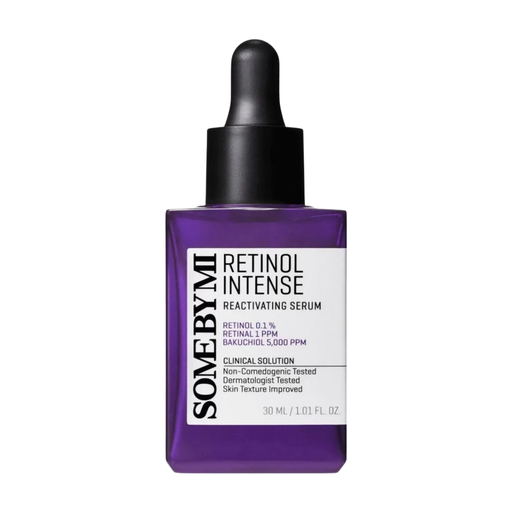
Why This Fits Their Persona: Ideal for those new to the world of retinol or who have sensitive skin. The formulation is designed to gradually acclimatise the skin to the active ingredient while minimising the potential for irritation.
This serum bypasses the 'one-size-fits-all' trap with an intelligent combination of 0.1% Retinol, Retinal, and the plant-based active Bakuchiol. This synergy allows for effective action with high tolerability.
The triple-action complex offers a gentle introduction. The patented 'Elastic-Liposome' technology ensures the active ingredients remain stable and are delivered targetedly into the skin.
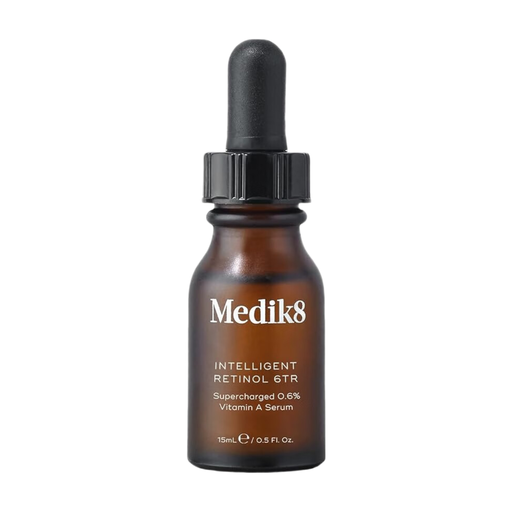
Why This Fits Their Persona: Perfect for users whose skin is already accustomed to retinol and who are looking for a higher concentration for more visible results in skin firming and wrinkle reduction.
This serum avoids the trap of a poor formulation with a high concentration. It uses a Time-Release Technology that slowly releases the 0.6% Retinol overnight to maximise tolerability and reduce irritation.
The high concentration, combined with time-release delivery, offers an intensive treatment to improve skin texture and firmness. The formulation is also enriched with Vitamin E to provide antioxidant protection.
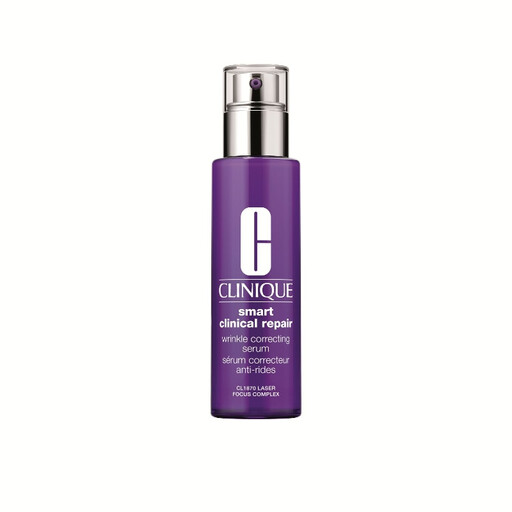
Why This Fits Their Persona: For users seeking a multi-functional solution that goes beyond pure retinol. This serum targets wrinkles, loss of firmness, and lack of moisture with a multi-dimensional approach.
It debunks the myth that only retinol concentration matters. Its strength lies in synergy: a retinoid is combined with the brand's patented CL1870 LASER FOCUS Complex (a peptide mix) and Hyaluronic Acid to comprehensively improve the skin's structure.
The formula offers a 3-in-1 approach: the retinoid renews the skin's surface, the peptide complex supports the collagen structure for more firmness, and hyaluronic acid provides intense hydration.
We have compiled a complete, up-to-date list of products that fully meet these strict selection criteria and rigorous safety standards.
The golden rule is: "start low and go slow". For the first two weeks, begin by applying it two to three times a week, exclusively in the evening. If your skin shows no signs of significant irritation, you can slowly increase the frequency to every other night and eventually to every night. Monitor your skin closely and adjust use as needed.
It is generally not recommended to use retinol in the same routine as high-concentration Vitamin C or chemical exfoliants (AHA/BHA), as this can increase the risk of irritation. A proven method is to separate their application time: use Vitamin C in the morning (followed by sunscreen) and your retinol night serum in the evening.
Mild redness, dryness, and peeling are normal during the initial phase of use. This process is known as "retinisation," where the skin adapts to the accelerated cell turnover cycle. To mitigate these effects, you can reduce the frequency of application, use a rich moisturiser with ceramides, and ensure you always apply the serum to completely dry skin. If irritation is persistent or severe, you should pause use. And remember: a broad-spectrum, high-SPF sunscreen is essential during the day, as retinol makes the skin more sensitive to light.