
Lieferung heute & morgen

Qualitätsgarantie

Willkommens-Angebote freischalten: KOSTENLOSE Lieferung | Bis zu 80 % RABATT | Kostenlose 30-Tage-JoyPlus-Testphase
App herunterladen
A retinol serum can be a useful addition to your anti-ageing skincare routine if fine lines, uneven skin texture or visible pores are a concern. Choosing one can be tricky, though: packaging often features terms such as “Shot”, “Boost” or “Firming”, while key details about concentration, retinoid type and how to use the product are less prominent.
If you’re looking to buy an anti-wrinkle serum, a retinol cream or a retinal serum, don’t rely on marketing claims alone. Look for clear information about the formula, choose a strength that suits you and follow a realistic plan for introducing it into your routine.
Retinol and retinal are both used in vitamin A skincare, but they are different forms of the active ingredient. A product containing retinal isn’t automatically comparable to a retinol product with the same stated percentage. Terms such as “retinoid complex” can also refer to several vitamin A derivatives without clearly stating how much of each one is included.
Look for:
A retinol serum with 0.1 % may be more suitable for beginners than a formula with 0.5 %. Stronger formulas usually need to be introduced more gradually. Redness, dryness, tightness or flaking can occur, particularly on sensitive skin.
If you already use vitamin A products and your skin tolerates them well, you could consider a higher concentration or a firming face serum. For beginners, lower-strength products or a retinol cream with a richer texture are often more practical.
A product description may claim that a product suits a wide range of skin types. That doesn’t predict how your individual skin will react. Fragrance, essential oils, plant extracts or a high retinoid concentration may cause problems for some people.
Before applying the product over a larger area, it’s a good idea to test it on a small patch of skin. Stop using it if you experience persistent redness, burning, swelling or severe flaking. Avoid products containing retinol or retinal during pregnancy and while breastfeeding, and if you’re trying to conceive. If needed, seek medical advice.
Concentration is a useful point of comparison, but only within the same active ingredient group. Here are some examples from our selection:
Percentages for retinal products aren’t directly comparable with those for retinol. For example, Medik8 Crystal Retinal 1 states that it contains 0.01 % stabilised retinal. So the percentage alone won’t tell you everything about what to expect from using the product.
A lightweight serum is a good option if you like to combine several skincare steps. A cream or oil may feel more comfortable on dry skin, although the finish can feel richer depending on the formula.
For mature or dry skin, ingredients such as glycerin, hyaluronic acid, panthenol, ceramides, squalane or niacinamide may be worth looking for. They don’t replace a moisturiser, but they can complement your routine. If your skin is prone to blemishes, choose the texture carefully and start by using a small amount.
Retinol and retinal are sensitive to light and, in some cases, air. Packaging that protects the product from light and seals securely is therefore worth considering. Also check the best-before date, batch number and the period-after-opening symbol.
These products are typically used in the evening. The next morning, include a broad-spectrum sunscreen in your routine. Avoid combining acid exfoliants, highly concentrated vitamin C, benzoyl peroxide or other retinoids in the same evening routine without careful consideration.
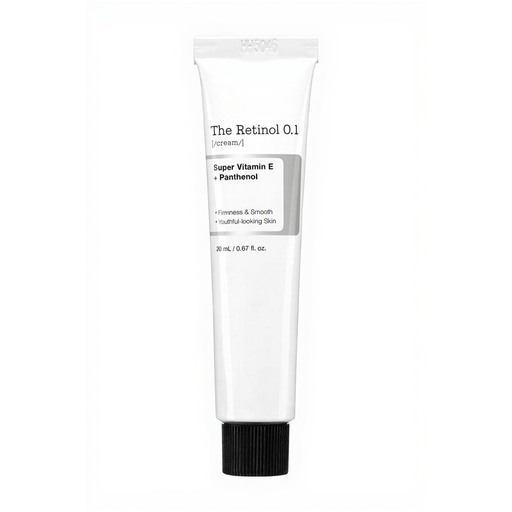
Why it suits this profile: Its stated 0.1 % retinol concentration and creamy texture offer a manageable way to introduce retinol into your evening skincare routine.
The specific active ingredient concentration makes it easier to compare with other beginner-friendly products, so you’re not choosing based on marketing terms alone.
0.1 % retinol, panthenol, allantoin and several forms of hyaluronic acid, according to the product details.
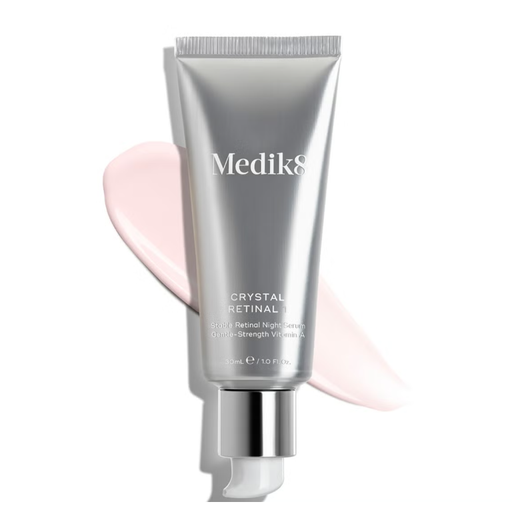
Why it suits this profile: According to the product details, the formula uses stabilised, encapsulated retinal and is designed for a gradual evening routine.
The retinal concentration is clearly stated, making it easier to judge the product’s strength than products with a vitamin A complex that isn’t described in detail.
0.01 % stabilised retinal, plus glycerin, hyaluronic acid and vitamin E, according to the product description.
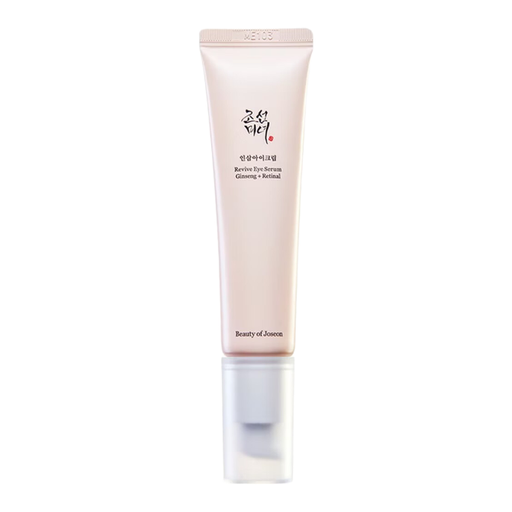
Why it suits this profile: Designed for the eye area, this product is a good option if you want to focus your anti-ageing routine on this particular area.
Its intended use on the eye area or face helps you choose a product suited to where you plan to use it, rather than opting for a universal serum without considering the specific area.
Retinal, ginseng extract, ceramide NP and hyaluronic acid, according to the INCI list.
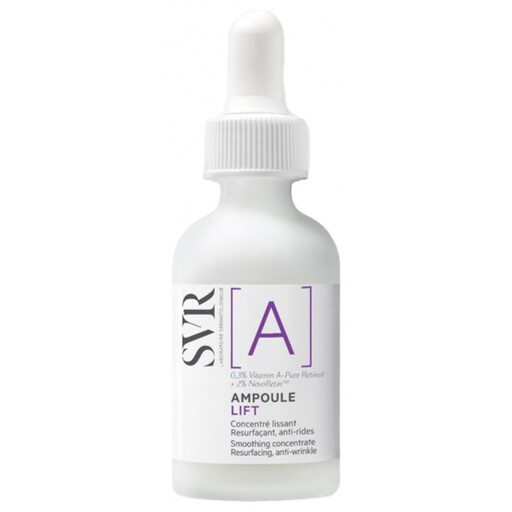
Why it suits this profile: The combination of 0.3 % pure retinol, niacinamide and ceramides suits a routine that targets uneven texture and pores as well as wrinkles.
The product details specify both the retinol and supporting ingredients, making it easier to decide whether the formula will fit into your existing evening routine.
0.3 % retinol, plus niacinamide and ceramides, according to the product description; apply a few drops in the evening.
We’ve put together a complete, regularly updated list of products that meet these strict selection criteria and fully comply with the safety regulations in force in the EU.
Start with a small amount on clean, dry skin. Depending on the product, using it two to three evenings a week may be a good approach. Only increase the frequency gradually once your skin can tolerate the routine without persistent irritation.
A simple order to follow is:
A face serum for mature skin shouldn’t introduce several strong active ingredients at once. That makes it easier to identify which ingredient may be causing a reaction if your skin doesn’t tolerate the product.
Beginners often start by using it two to three times a week. The right frequency depends on your skin’s tolerance and the product’s concentration. If you have dry or sensitive skin, it may be better to start even more gradually.
This depends on the formula and packaging. Check the best-before date, batch symbol and period-after-opening guidance. In general, store the product away from light, keep the lid tightly closed and avoid exposing it to large temperature fluctuations.
Combining retinol with a gentle moisturiser is usually straightforward. However, avoid using acids, highly concentrated vitamin C, benzoyl peroxide or other retinoids in the same routine without careful planning. If you’re unsure or experience a strong skin reaction, seek advice from a dermatologist.