
Lieferung heute & morgen

Qualitätsgarantie

Willkommens-Angebote freischalten: KOSTENLOSE Lieferung | Bis zu 80 % RABATT | Kostenlose 30-Tage-JoyPlus-Testphase
App herunterladen
A retinol serum can be a useful addition to your evening routine if you’re concerned about fine lines, uneven skin texture or visibly enlarged pores. But choosing one involves more than just looking at the active ingredient. The concentration, formulation, packaging and how you use it all determine whether a product is right for your skincare routine.
Figures such as 0.1% retinol, 0.3% retinol or 0.6% retinol are useful for comparing products, but they don’t tell you on their own how well a product will suit your skin. Retinal, retinyl retinoate and encapsulated forms of vitamin A also differ in their formulation and how they’re used.
If you’re new to retinol, a lower concentration or a gradual approach is usually easier to work into your routine. If you already have experience with vitamin A products, you can look more specifically for higher-strength formulas.
Terms such as ‘Youth’, ‘Firming’ or ‘Renewal’ often describe how a product is positioned. What matters is what’s actually in it. When choosing a vitamin A serum, check:
The INCI list can change, so always check the information on the packaging you receive.
Retinol should generally be used in your evening routine. To begin with, use it on two evenings a week. If your skin tolerates it well, you can gradually increase how often you apply it. The next day, use a broad-spectrum sunscreen with at least SPF 30.
If you experience redness, stinging, severe dryness or persistent flaking, stop using the product for a while. Retinol isn’t intended for broken or acutely irritated skin. If you’re pregnant or breastfeeding, use products containing retinol or retinal only after consulting a medical professional.
A classic retinol face serum contains retinol, while a retinal serum uses retinaldehyde. Retinal undergoes fewer conversion steps in the skin, but that doesn’t automatically make it more suitable for everyone. Encapsulated or time-release formulas can also affect how a product is used.
If you’re using a night serum with retinol for the first time, don’t use several strong active ingredients at the same time. It may be better to use AHA, BHA or high-concentration vitamin C products on alternate evenings.
A face serum isn’t automatically suitable for the eye area. A dedicated retinol eye serum may be a good option for this sensitive area, as it will be formulated and intended for use there. Don’t let the product get directly into your eyes.
Light emulsions suit those who prefer fast-absorbing textures. Richer formulas containing squalane, oils or ceramides may feel more comfortable on dry or mature skin.
Retinol and retinal are sensitive to light and air, so opaque, airtight packaging is a practical feature to look for. Store your serum in a cool, dry place, away from direct sunlight. After opening, check the PAO symbol and the best-before date on the packaging.
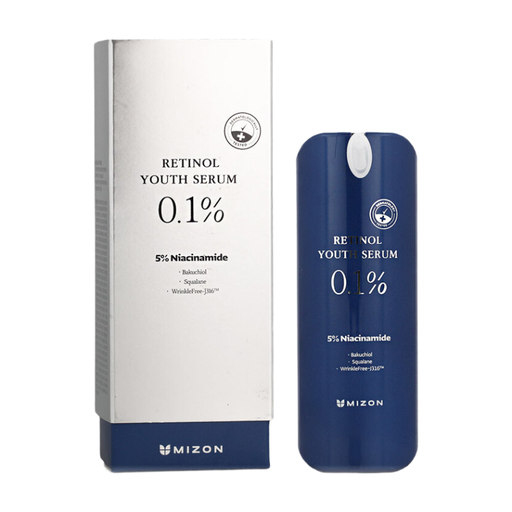
Why it suits this profile: The stated 0.1% retinol concentration gives you a clear starting point if you’re new to retinol skincare.
The concentration is clearly stated, making it easier to compare the dosage with other products.
Contains niacinamide, adenosine and hydrating ingredients; designed for evening use.
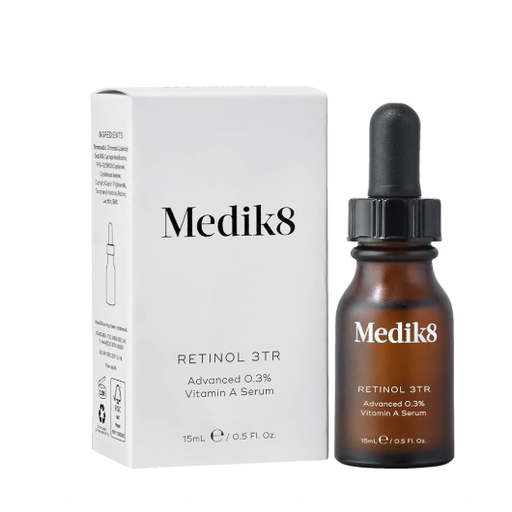
Why it suits this profile: The formula contains 0.3% retinol and uses time-release technology for overnight use.
Clear information about the concentration and application routine helps prevent you from increasing how often you use it before your skin has had time to adjust.
Contains squalane, vitamin E and glycerin, among other ingredients; the 15-ml size makes it easier to introduce retinol gradually.
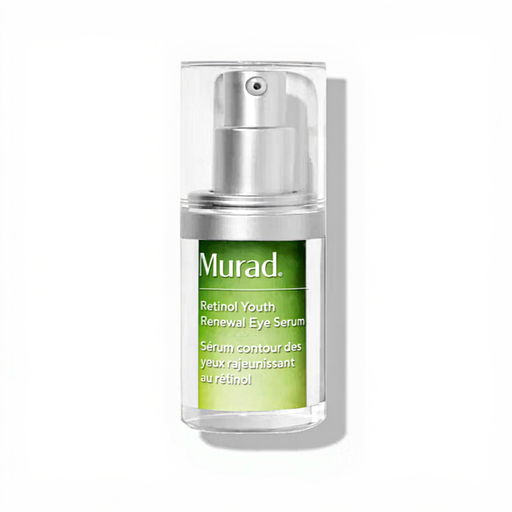
Why it suits this profile: It’s designed for the eye area, making it an option for more specific skincare needs.
A dedicated eye product helps avoid applying a face serum directly to the delicate eye area.
15 ml; according to the product description, it features Retinol Tri-Active Technology and hydrating ingredients.
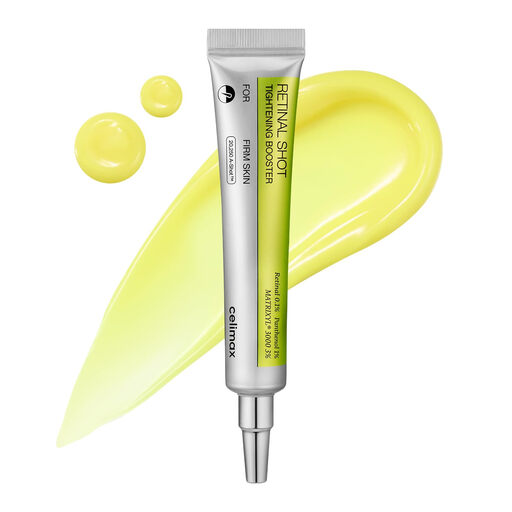
Why it suits this profile: This Korean retinal serum is aimed at people specifically looking for retinal rather than classic retinol.
The product description states that it contains 0.1% retinal in an encapsulated formula, so the form of the active ingredient is clearly specified.
Also contains panthenol, niacinamide and peptides; designed for evening use only.
We’ve put together a complete, regularly updated list of products that meet these strict selection criteria and fully comply with the safety regulations in force in the EU.
If you’re new to retinol, you can start by using it twice a week. If there’s no significant irritation, you can gradually increase how often you apply it. Always follow the instructions for your specific product.
This depends on the product, packaging and how it’s stored. The PAO symbol on the packaging shows how long the product is recommended for use after opening. Light, heat and leaving the product open frequently can affect its quality. If you notice a significant change in its smell, colour or consistency, stop using it.
Hydrating ingredients such as glycerin, panthenol or hyaluronic acid are often easy to use alongside retinol. Especially when you’re just starting out, avoid combining acids, exfoliants and high-concentration vitamin C products in the same evening routine. If you have sensitive skin, it’s a good idea to use them on separate evenings.