
Lieferung heute & morgen

Qualitätsgarantie

Willkommens-Angebote freischalten: KOSTENLOSE Lieferung | Bis zu 80 % RABATT | Kostenlose 30-Tage-JoyPlus-Testphase
App herunterladen
A retinol serum can be a useful addition to your evening skincare routine if you’re concerned about fine lines, uneven skin texture or visible pores. But choosing one isn’t just a matter of picking a brand. The form of the active ingredient, its concentration, the packaging and texture, and how well it fits into your existing routine all matter.
A retinol product containing 0.1 per cent can’t be directly compared with a retinal serum containing 0.1 per cent. Retinol and retinal are different forms of vitamin A, and the skin processes them differently. Terms such as ‘vitamin A serum’ or ‘anti-ageing serum’ alone tell you little about what’s actually in the product.
So check:
Even retinol 0.1 per cent or an encapsulated active ingredient can initially cause dryness, tightness or redness. A retinol cream with a richer texture may suit dry skin differently from a lightweight serum. For sensitive skin, it’s not just the concentration and form of the active ingredient that matter, but also the supporting skincare.
Products containing fragrance, essential oils or several active acids may be less suitable for some skin types. The full INCI list on the packaging is the definitive guide, as formulas can change.
Retinol and retinal are sensitive to light and air, so opaque, securely sealed packaging is a practical factor to consider. Also check the printed best-before date, batch number and, where relevant, the recommended period for using the product after opening.
For retinol beginners, lower-strength products are often a good option, such as retinol 0.1 per cent or a time-release formula. Retinol 0.3 per cent is more suited to people who already have experience with vitamin A products and tolerate them well.
Retinal is often offered as a separate alternative. As you can’t directly compare different forms of the active ingredient by percentage alone, follow the manufacturer’s guidance on use and tolerability. A retinal product shouldn’t automatically be combined with a retinol serum.
A lightweight serum or ampoule can be easy to add to an existing routine. A cream or oil may feel more comfortable on dry skin and can provide additional nourishing ingredients. When choosing between a firming face serum, retinol night care and a cream, consider:
Start with a small amount and use it just a few times a week. Apply it in the evening to clean, dry skin, then follow with a simple moisturiser. To begin with, avoid combining it with strong AHA or BHA exfoliants or other retinoids in the same evening routine.
The next morning, make broad-spectrum sun protection part of your routine. Stop using the product if you experience persistent stinging, noticeable redness or heavy flaking. Use retinoid products during pregnancy or breastfeeding only after consulting a doctor, and follow the relevant manufacturer warnings.
The selection below groups products by active ingredient, texture and intended use. The details are based on the product information provided; always check the current packaging before buying.
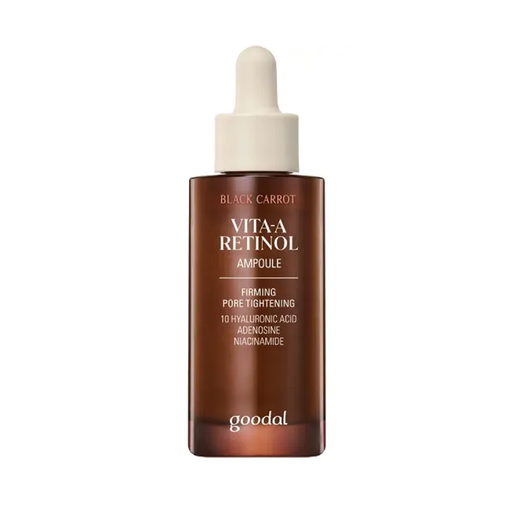
Why this product suits this profile: This Korean skincare ampoule combines retinol with niacinamide, ectoin, Ceramide NP and several forms of hyaluronic acid. Its lightweight texture works well in multi-step skincare routines.
The product description lists the retinol content as 506 IU and also details the rest of the formula. If you’re expecting a percentage, bear this difference in mind before buying.
30 ml size, lightweight ampoule texture and several ingredients that support hydration and the skin barrier.
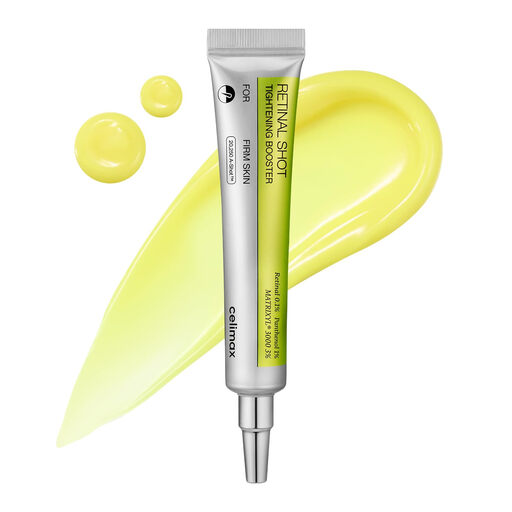
Why this product suits this profile: According to the product information, it contains 0.1 per cent retinal and is described as a night-time booster for targeted use. It’s suited to people who want to use retinal separately and in measured amounts.
The recommendation to introduce it gradually and the small 15-ml size make it easier to get started. Retinal shouldn’t be combined with other retinoids without careful consideration.
Clearly stated retinal content, night-time use and a booster texture with panthenol, niacinamide and adenosine.
We’ve put together a complete, regularly updated list of products that fully meet these strict selection criteria and the safety regulations in force in the EU.
Depending on the product, start by using it two to three evenings a week. If your skin tolerates it well, you can gradually increase how often you apply it. Daily use isn’t essential. Follow the manufacturer’s instructions, pay attention to how your skin responds and make sure you use enough moisturiser.
This depends on the formula, packaging and manufacturer’s guidance. Check the period-after-opening symbol and the best-before date. Close the product after every use and store it away from light and heat, following the packaging instructions.
Combining it with soothing, hydrating ingredients such as glycerin, panthenol or ceramides is often straightforward. However, if you’re new to retinol, don’t introduce it at the same time as strong exfoliants, other retinoids or high-strength acids. If you have sensitive skin, using them on separate evenings can make your routine easier to manage.