
Lieferung heute & morgen

Qualitätsgarantie

Willkommens-Angebote freischalten: KOSTENLOSE Lieferung | Bis zu 80 % RABATT | Kostenlose 30-Tage-JoyPlus-Testphase
App herunterladen
A retinol serum can be a useful addition to your evening skincare routine if you’re concerned about fine lines, uneven skin texture, visible pores or loss of firmness. Choosing one isn’t always straightforward, though: similar product names can conceal different vitamin A derivatives, concentrations and directions for use.
If you focus only on claims such as “high concentration”, “instant lifting effect” or “professional formula”, it’s easy to overlook important details. When buying in Germany, look for clear information about the active ingredient, packaging, skin tolerance and how to use the product.
When choosing a retinol serum for wrinkles, concentration is often the first thing people look at. But that doesn’t tell the whole story. Retinol, retinal and other vitamin A derivatives differ in their formulation and how they’re used. A higher concentration may also be too strong for beginners or sensitive skin.
Check whether the product gives a clear dosage and whether the manufacturer recommends introducing it gradually. A vitamin A serum with a lower concentration may be more practical for everyday use if you can apply it regularly without irritation.
A retinal serum contains retinaldehyde, while classic retinol goes through a different conversion step in the skin. These terms shouldn’t be treated as interchangeable grades of quality. What matters is the exact concentration, how the ingredient is stabilised and the rest of the formula.
For example, according to the product information, celimax THE VITA-A RETINAL SHOT TIGHTENING BOOSTER contains 0.1% retinal and is intended for night-time use. It isn’t directly comparable with a product that lists 0.1% retinol.
Retinoid products can contribute to dryness, redness or a feeling of tightness while your skin gets used to them. A formula containing glycerin, panthenol, ceramides, squalane or hyaluronic acid may therefore be a useful consideration for your skincare routine. It doesn’t, however, replace checking how your skin responds.
In the morning, your routine should include sun protection of at least SPF 30. This is particularly important when using a night serum with retinol or retinal, as your skin may become more sensitive to sunlight.
Check the full ingredient name:
A serum for mature skin should be judged not just by its marketing claims, but by its actual INCI list and directions for use.
Retinoids are sensitive to light, air and heat. Opaque packaging, a tightly closing lid and storage in a cool, dry place are practical points to consider when choosing a product. Also check the expiry date, batch number and PAO symbol on the packaging.
If you have sensitive skin, soothing and hydrating ingredients such as panthenol, niacinamide, ceramides or beta-glucan may be worth looking for. Fragrance or essential oils may be another point to check, as they can be unsuitable for some people.
Avoid combining a retinol or retinal serum in the same evening routine with high-strength vitamin C skincare, AHA, BHA, salicylic acid or harsh exfoliants. If you experience persistent stinging, severe redness or noticeable flaking, pause use. During pregnancy and breastfeeding, use products containing vitamin A derivatives only after consulting a healthcare professional.
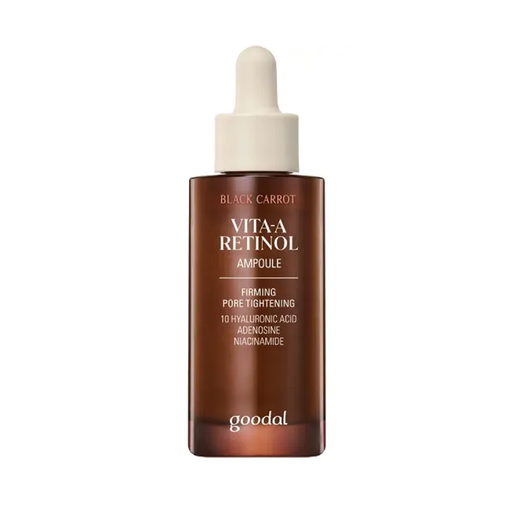
Why it suits this profile: According to the product information, this 30 ml ampoule combines retinol with carrot extract, niacinamide, ectoin, ceramide NP and several forms of hyaluronic acid. It may appeal if you’re looking for a retinol serum with an added focus on hydration.
The formula highlights more than just retinol, listing ingredients that support hydration and the skin barrier too. Check the packaging for the exact amount of retinol before buying.
30 ml; niacinamide, ectoin, ceramide NP and several hyaluronic acid derivatives, according to the INCI list.
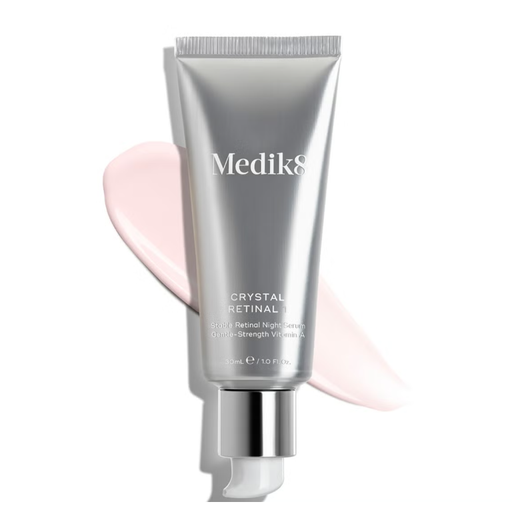
Why it suits this profile: According to the product description, this serum combines 0.01% stabilised retinal with glycerin, hyaluronic acid and vitamin E. The manufacturer recommends introducing it gradually, starting with use twice a week.
The retinal concentration and recommended getting-started routine are clearly stated. This makes it easier to plan how to use the serum, rather than relying on broad claims about its effects.
0.01% stabilised retinal, according to the product information; guidance on gradual use and applying sun protection in the morning.
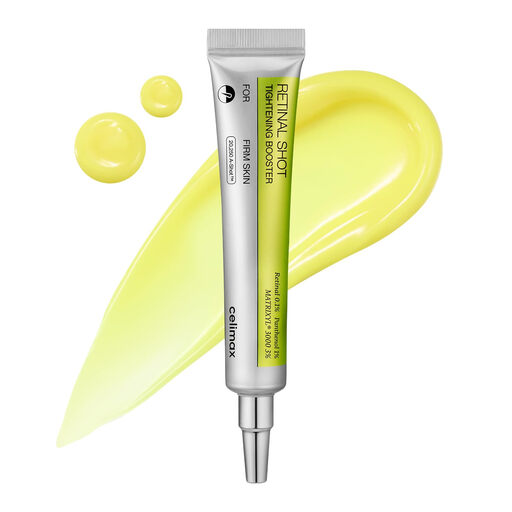
Why it suits this profile: According to the product information, this booster is designed for people who want to target specific areas of skin with retinal. It contains 0.1% retinal, 3% Matrixyl 3000 and 1% panthenol.
The instructions recommend starting with a small amount and applying it to specific areas. This can help you avoid starting too quickly with a highly active retinal product.
0.1% retinal, according to the product information; 15 ml booster size; panthenol, niacinamide and a peptide complex in the INCI list.
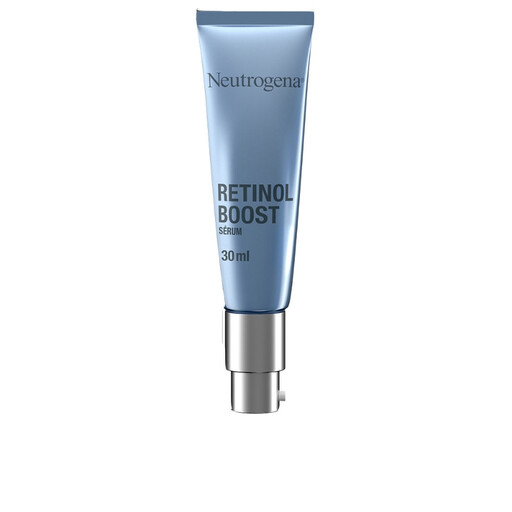
Why it suits this profile: The product contains retinol and sodium hyaluronate, according to the INCI list. Its lightweight serum texture and 30 ml size make it a good fit for a classic evening routine, followed by a moisturiser.
The directions recommend using a small amount in the evening, avoiding the eye area and applying sun protection during the day. Check the packaging you receive for the exact retinol concentration before buying.
30 ml; retinol, glycerin and sodium hyaluronate, according to the product information.
A Korean retinol serum isn’t automatically gentler or stronger than a European product. Assess the product’s origin, formula and concentration separately. If you’re looking for a serum for enlarged pores, bear in mind that pores can’t be “closed” permanently. More realistically, skincare can temporarily help the skin’s texture look more even and reduce the appearance of shine from excess oil.
We’ve put together a complete, regularly updated list of products that meet these strict selection criteria and fully comply with the safety regulations in force in the EU.
Beginners usually start by using it once or twice a week in the evening. If your skin tolerates it well, you can gradually increase how often you use it. Follow the instructions on the packaging and pay attention to how your skin responds.
The expiry date, batch number and PAO symbol are shown on the packaging. After opening, protect the product from light, heat and air, and make sure the lid is closed properly.
Hydrating ingredients such as glycerin, panthenol or hyaluronic acid can often be added without any issues. Avoid using strong exfoliants with AHA, BHA or salicylic acid, or high-strength vitamin C products, in the same evening routine at first. If you’re unsure, using them on separate days is the more cautious approach.