
Lieferung heute & morgen

Qualitätsgarantie

Willkommens-Angebote freischalten: KOSTENLOSE Lieferung | Bis zu 80 % RABATT | Kostenlose 30-Tage-JoyPlus-Testphase
App herunterladen
A retinol serum can be a useful addition to your evening skincare routine if your main concerns are fine lines, uneven skin texture, visible pores or an uneven-looking skin tone. However, choosing one can be confusing: alongside classic retinol, you’ll find retinal, retinyl derivatives, bakuchiol and formulas combined with niacinamide or hyaluronic acid.
So when buying, don’t focus on a product name that simply catches your eye. The key factors are the type of active ingredient, the stated concentration, the packaging, the directions for use and how well the formula as a whole suits your skin.
Retinol and retinal are vitamin A derivatives, but they differ in their chemical form and how they’re converted in the skin. So a retinal serum may be used differently from a retinol face serum, even if its stated percentage is lower. Concentrations also aren’t always directly comparable when a product contains several vitamin A derivatives or encapsulated active ingredients.
Check whether the stated ingredient is actually retinol, retinal or simply a related derivative. If a product’s concentration is unclear, check the manufacturer’s information and the current INCI list on the packaging.
Even a product containing soothing or hydrating ingredients can cause dryness, redness or stinging on sensitive skin. How often you use it, how much you apply and what other active products are in your routine all matter.
For example, start by using a retinol serum two or three times a week. If your skin tolerates it well, you can gradually adjust how often you apply it. If irritation persists, stop or pause use and seek medical advice if needed.
Retinol and retinal are sensitive to light and air. An opaque, tightly sealed container helps protect the formula’s stability. Store your vitamin A serum somewhere cool and dry, away from direct sunlight. Follow the expiry date and the period-after-opening symbol on the packaging.
If you’re new to retinoids, a lower or clearly stated concentration is often a good place to start. Examples from our selection include a product with 0.1% retinol, a serum with 0.3% retinol or a retinal product with 0.01% stabilised retinal. These aren’t blanket recommendations for every skin type.
More experienced users may want to consider more concentrated formulas, but should still take the directions for use and their skin’s tolerance into account. A serum for fine lines, a serum for wrinkles or a serum for pigmentation shouldn’t be treated as a medicine. Cosmetics support the care of your skin’s appearance, but they don’t replace medical treatment.
A retinol face serum may feel more comfortable on dry or sensitive skin if the formula also contains glycerin, squalane, ceramides, panthenol or hyaluronic acid. A hyaluronic acid serum, or a retinol serum containing sodium hyaluronate, can add hydrating ingredients to your skincare routine.
Niacinamide, vitamin E and plant extracts are other common ingredients. However, they don’t automatically make a vitamin A active ingredient more suitable for your skin. Always check the full ingredients list and look out for potential fragrance ingredients.
Retinol and retinal serums are usually applied in the evening to clean, dry skin. You can then follow with a simple moisturiser. In the morning, a broad-spectrum sunscreen with at least SPF 30 is a good idea, as vitamin A products can make your skin more sensitive to sunlight.
When starting out, avoid using highly concentrated acids, harsh exfoliants or multiple retinoids in the same routine. If you’re pregnant, trying to conceive or breastfeeding, check with a healthcare professional before using vitamin A derivatives.
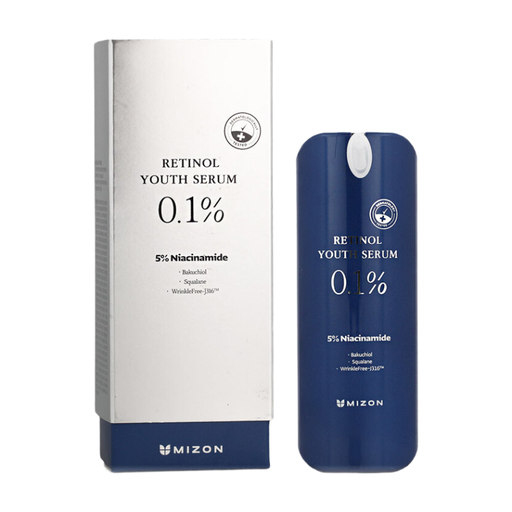
Why this product suits this profile: Its stated concentration of 0.1% retinol makes it easier to assess for anyone adding a vitamin A serum to their evening routine for the first time.
The product information recommends introducing it gradually, using it in the evening and adding sun protection. This helps you avoid applying it too often from the start.
Contains 0.1% pure retinol, as well as niacinamide and adenosine according to the product description; its lightweight texture is suited to evening use.
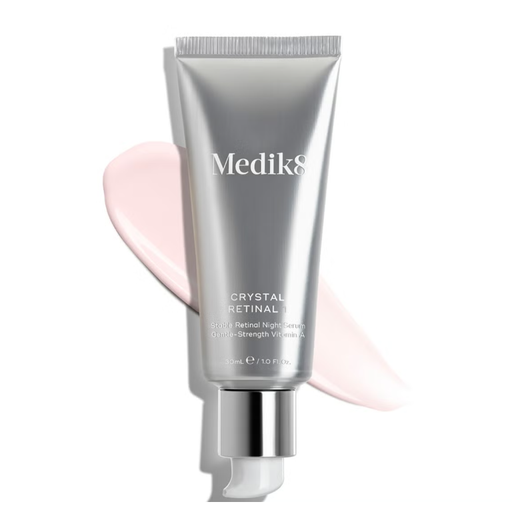
Why this product suits this profile: If you want to compare active ingredient types and added hydration in more detail, this clearly labelled retinal product is designed for nighttime use.
The product description specifies 0.01% stabilised retinal and gives a clear step-by-step schedule, from twice-weekly use to more frequent application.
Contains stabilised retinal; the stated ingredients list includes glycerin, hyaluronic acid, squalane and vitamin E.
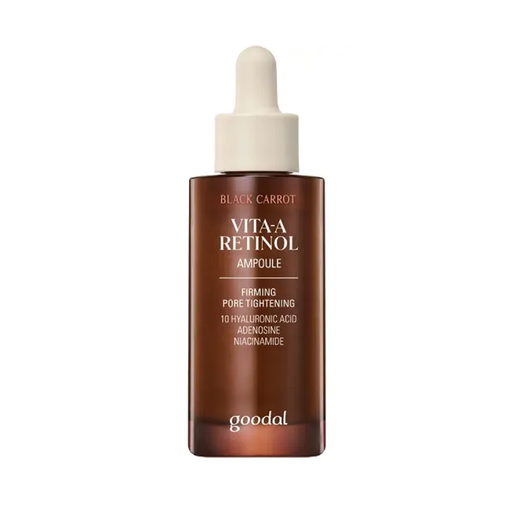
Why this product suits this profile: The ampoule combines a stated retinol content with several hydrating ingredients that support the skin barrier, making it a good fit for a routine focused on skincare.
Rather than focusing solely on retinol, the product information also highlights ceramide NP, ectoin, beta-glucan and various forms of hyaluronic acid.
30 ml; the INCI list includes black carrot root extract, niacinamide, ceramide NP and several hydrating ingredients.
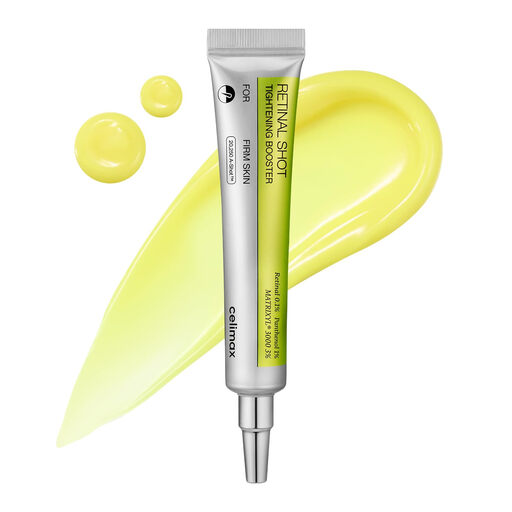
Why this product suits this profile: The booster format is designed for people who want to target retinal at specific areas, such as visible lines or pores.
For its stated concentration of 0.1% retinal, the product instructions recommend starting with a very small amount and applying it to a limited area.
Contains 0.1% retinal according to the product information; panthenol, niacinamide and peptide ingredients are also listed.
We’ve put together a complete, regularly updated list of products that meet these strict selection criteria and fully comply with the safety regulations in force in the EU.
Start by applying it two or three evenings a week. A pea-sized amount is enough for your face, unless the manufacturer recommends a different amount. If you experience redness, stinging or noticeable flaking, reduce how often you use it or pause application.
Check the expiry date and the PAO symbol, shown as an open jar with a number of months. Once opened, keep the product tightly closed and store it somewhere dry and away from light. If its smell, colour or consistency changes, this may be a sign that you should stop using it.
A retinol serum with hyaluronic acid can be used as part of the same evening routine. Hyaluronic acid helps hydrate the skin, but it doesn’t replace the need to introduce retinol gradually. If you have sensitive skin, you can apply the retinol serum first, followed by a simple moisturiser. Your skin’s individual tolerance and the instructions on the product packaging are what matter most.