
Lieferung heute & morgen

Qualitätsgarantie

Willkommens-Angebote freischalten: KOSTENLOSE Lieferung | Bis zu 80 % RABATT | Kostenlose 30-Tage-JoyPlus-Testphase
App herunterladen
By the Joybuy Product Recommendation Officer, July 18, 2026
The search for an effective anti-aging serum inevitably leads many to the active ingredient, retinol. As a form of vitamin A, it's renowned for its ability to improve the appearance of fine lines, wrinkles, and uneven skin tone. However, the market offers a vast array of products—from retinol serum to retinal serum, in various concentrations and formulations. This can make choosing the right one complicated, especially for those new to retinol for beginners or individuals with retinol for sensitive skin.
This guide is designed to bring clarity. We'll explain the crucial criteria for selecting a suitable serum and present a curated selection of products tailored to different skin needs and experience levels. Our goal is to provide you with an informed basis for making decisions about your skincare routine.
Before you decide on a product, some fundamental knowledge is helpful. The following points can assist you in selecting the right serum for your skin.
Retinoid is the umbrella term for various vitamin A derivatives. In skincare, retinol and retinal (also called retinaldehyde) are particularly relevant. To become effective in the skin, retinol must first be converted to retinal, and then to retinoic acid (the active form).
The choice between the two depends on your skin's tolerance and your goals. A serum for wrinkles can benefit from the efficiency of retinal, while beginners often start with a low concentration of retinol.
The concentration of the active ingredient is a key factor. For beginners, concentrations of 0.1% to 0.3% retinol are recommended. Experienced users can opt for concentrations from 0.5% to 1%.
However, the overall formulation is more important than the concentration alone. Products that use encapsulation technology or a "slow-release" delivery system release the active ingredient to the skin over several hours. This can significantly reduce the risk of irritation, such as redness or dryness, making it more accessible for sensitive skin types.
A good retinol serum often contains additional ingredients that soothe and hydrate the skin while strengthening the skin barrier. Look for formulations with:
Here is a curated selection of products that stand out for their specific formulations and active ingredient combinations.
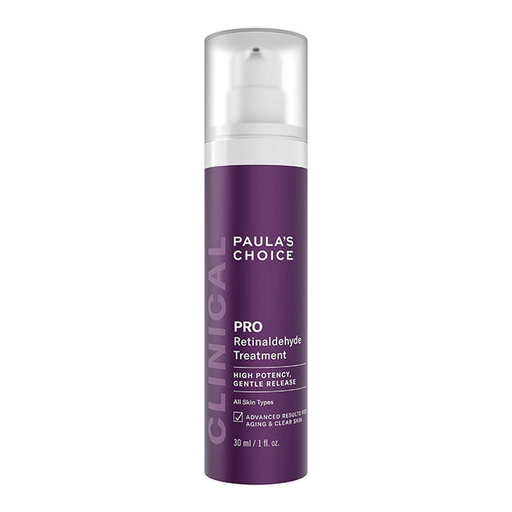
Paula's Choice Clinical PRO Retinaldehyde Treatment
Why it stands out: This product uses encapsulated retinal, which requires only one conversion step to the active retinoic acid. The patented slow-release technology ensures a time-released delivery of the active ingredient, which minimises the potential for irritation and improves tolerability.
Benefits:
Who it's for: Users looking for a highly effective retinal serum but who also value a gentle formulation. It is suitable for all skin types, including skin prone to sensitivity that has already built up some tolerance to retinoids.
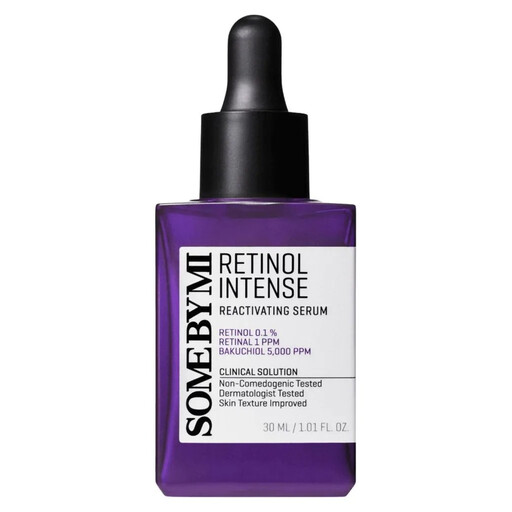
Some By Mi Retinol Intense Reactivating Serum 30 mL
Why it stands out: This serum combines three active ingredients: 0.1% retinol, 1 ppm retinal, and the plant-based active bakuchiol. This synergy aims to provide comprehensive support for skin rejuvenation. The patented "Elastic-Liposome" technology is designed to transport the active ingredients into the skin with stability.
Benefits:
Who it's for: Ideal for retinol for beginners and those with sensitive skin who want to reduce the first signs of aging, like fine lines or enlarged pores, without overwhelming the skin.
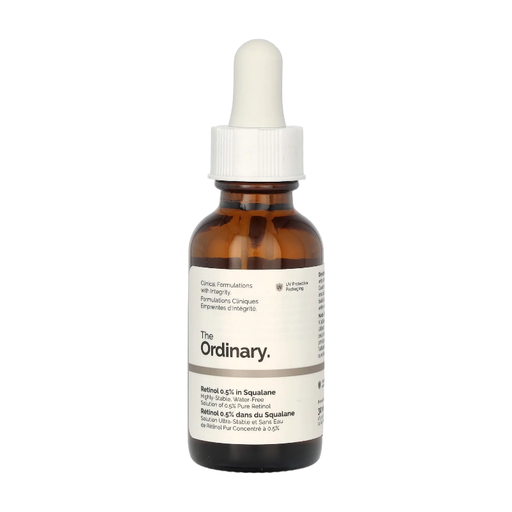
The Ordinary Retinol 0.5% in Squalane 30 ml
Why it stands out: A minimalist and water-free formulation that contains 0.5% pure retinol in a base of squalane. Squalane is a skin-native lipid that provides moisture and can counteract potential dryness from retinol.
Benefits:
Who it's for: Users with previous experience with retinoids who are looking for a higher concentration to improve skin texture and fine lines. Due to its oil-based formula, it is particularly suitable for normal to dry skin types.
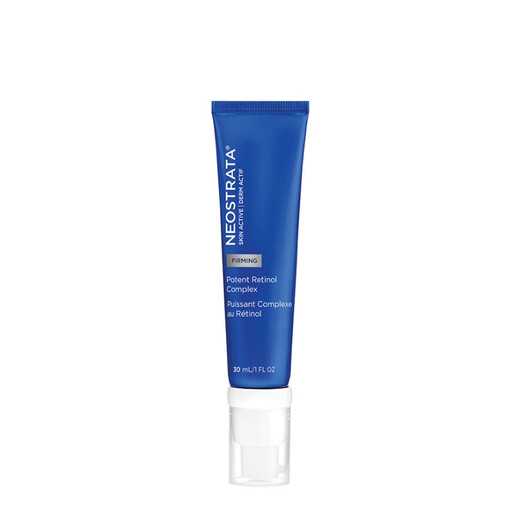
Neostrata Retinol Repair Complex 30 ml
Why it stands out: This complex is more than just a retinol product. It combines 0.3% pure retinol with 4% niacinamide and 2% NeoGlucosamine. This combination aims to address not only wrinkles but also pigmentation spots and an uneven skin tone.
Benefits:
Who it's for: Individuals looking for a serum for wrinkles that also improves the appearance of age spots and an uneven complexion. It is suitable for normal, dry, and oily skin types.
The selection presented here covers a range of needs. If you haven't found the right product yet or would like to compare more formulations, you can find additional alternatives in our broader category.
Explore our full range of Vitamin A Face Serums
1. When is the right time to start using a retinol serum? There is no fixed age, but many people start using retinol in their mid-to-late 20s when the first signs of aging, like fine lines, may become visible. Starting early with low concentrations can have a preventative effect.
2. Can you use retinol serum every day? For beginners, it is recommended to start by applying the serum only once or twice a week in the evening to allow the skin to acclimate. Depending on your skin's tolerance, the frequency can be gradually increased to every other night or every night. Daily use of a broad-spectrum sunscreen with at least SPF 30 is essential when using retinoids.
3. What is the difference between retinol and retinal? Both are forms of vitamin A. Retinal is one conversion step closer to the final product, retinoic acid, than retinol is. This means it can potentially work faster. Retinol is generally considered the gentler starting point, while modern retinal formulations also aim for high tolerability through encapsulation.