
Lieferung heute & morgen

Qualitätsgarantie

Willkommens-Angebote freischalten: KOSTENLOSE Lieferung | Bis zu 80 % RABATT | Kostenlose 30-Tage-JoyPlus-Testphase
App herunterladen
A retinol serum can be a useful addition to your evening skincare routine if you’re concerned about fine lines, uneven skin texture or the appearance of enlarged pores. However, choosing one can be confusing: retinol, retinal, encapsulated actives, peptides and plant-based ingredients are often promoted together. Not every product will suit every skin type or level of experience.
The concentration alone tells you little about how well a product will suit your skin. A formula with 0.3% retinol isn’t directly comparable to one containing an encapsulated or slow-release active ingredient. Retinal serums and retinol serums also differ in their chemical form and how they’re used.
If you’re new to retinoids, a lower-strength product with soothing or barrier-supporting ingredients may be easier to use. More experienced users may prefer a higher concentration. What matters is the full INCI list, the usage instructions and how your skin responds.
Marketing claims such as “gentle”, “low-irritation” or “for all skin types” don’t guarantee that a product will be suitable for you. Retinoids may initially cause dryness, redness or tightness. A patch test on a small area of skin and a gradual introduction can reduce the risk of an unpleasant reaction, but they’re no substitute for individual medical advice.
Retinoids are usually used in the evening. The next day, your routine should include broad-spectrum sun protection, particularly if your skin is more sensitive to sunlight. You should also avoid combining strong exfoliating products such as AHA, BHA or highly concentrated vitamin C formulas in the same evening routine without careful consideration.
Check whether the ingredients list includes retinol, retinal (also known as retinaldehyde) or another retinoid. A vitamin A serum with a clearly stated concentration is easier to assess. For encapsulated systems or branded terms such as “Shot” and “Liposome”, check which specific form of the active ingredient is used and how much is included.
Retinal serums are often promoted as more potent. That doesn’t automatically mean they’ll be better tolerated, though. Introduce retinal products just as carefully as a classic retinol serum.
If your skin is dry or prone to tightness, glycerin, Sodium Hyaluronate, squalane, panthenol, ceramides or dimethicone may be worth looking for. Niacinamide and peptides are also commonly used, but they don’t automatically make a product suitable for everyone.
If you’re sensitive to fragrance or essential oils, check the INCI list for parfum and fragrance allergens that must be declared. A lightweight emulsion can work well as part of your facial skincare routine under a moisturiser, while a richer retinol cream may feel more comfortable on dry skin.
Retinol and retinal are sensitive to light and oxidation. An opaque, airtight container may therefore be more practical than a jar that’s opened frequently. Check the expiry date, batch number and PAO symbol on the packaging. Product page details may change, so always follow the information on the current packaging.
Store the product according to the manufacturer’s instructions and close it after every use. Don’t use an opened cream or serum for longer than recommended.
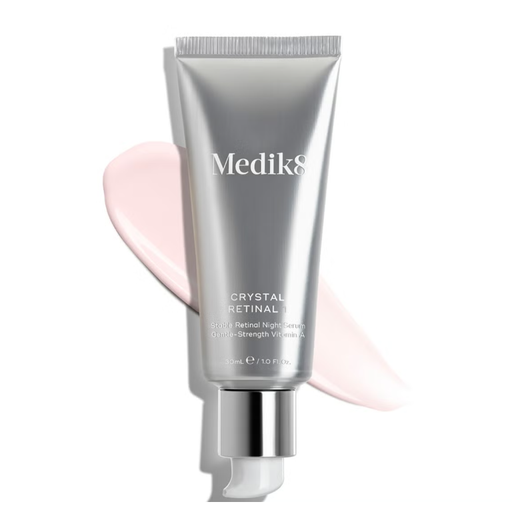
Why this product suits this profile: The encapsulated retinal formula, with a concentration of 0.01%, is designed for gradual introduction. It can also fit into a structured evening routine as a facial serum for wrinkles.
The form and concentration of the active ingredient are clearly stated. The recommended gradual increase, from twice a week to more frequent use, gives you a clear guide to follow.
0.01% stabilised retinal, plus glycerin, Sodium Hyaluronate and vitamin E derivatives, according to the product description.
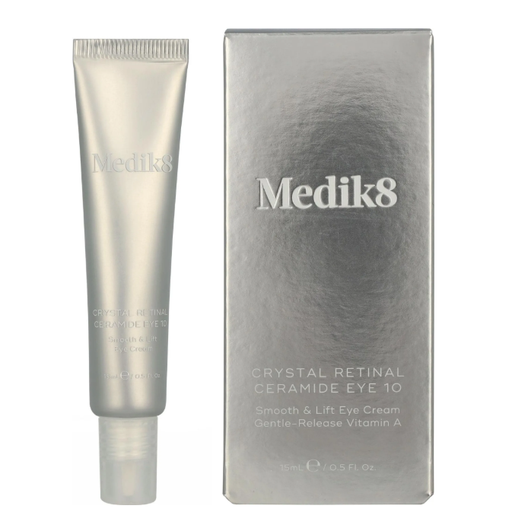
Why this product suits this profile: This eye cream is specifically designed for evening use around the eyes. It’s suited to buyers who prefer to treat the face and eye area separately.
This isn’t presented as an all-over facial serum. Use it only around the eyes, taking care to avoid direct contact with your eyes.
Retinal, ceramides, shea butter, squalane and hyaluronic acid, according to the ingredients list; start by using it twice a week.
We’ve put together a complete, regularly updated list of products that meet these strict selection criteria and fully comply with the safety regulations in force in the EU.
Start by applying a retinol serum to clean, dry skin in the evening. A small amount is enough. If you’re new to retinoids, using it two or three times a week may be a good place to start. Increase how often you use it only if your skin tolerates the product well.
Follow with a simple moisturiser. In the morning, it’s important to use sun protection with an appropriate SPF. Stop using the product if you experience persistent stinging, pronounced redness, swelling or severe flaking. If you’re pregnant, trying to conceive or breastfeeding, always check with a medical professional before using retinoids; many manufacturers advise against using them during these times.
If you’re new to retinoids, start by using a serum two or three times a week. You can then gradually increase how often you use it, provided you don’t experience persistent irritation. Always follow the specific recommendations on the packaging.
Check the expiry date, batch information and PAO symbol on the packaging. Opaque, airtight packaging and closing the container properly can help prevent unnecessary exposure to light and air.
The price depends on factors such as the form and concentration of the active ingredient, the product size, packaging and additional ingredients. Don’t compare bottle prices alone: check the volume in millilitres and the recommended dosage too. A low price is only worthwhile if the product format and how well it suits your skin fit your routine.