
Lieferung heute & morgen

Qualitätsgarantie

Willkommens-Angebote freischalten: KOSTENLOSE Lieferung | Bis zu 80 % RABATT | Kostenlose 30-Tage-JoyPlus-Testphase
App herunterladen
A retinol serum can be a useful addition to your evening skincare routine if you’re concerned about fine lines, visible wrinkles, enlarged pores or uneven skin texture. But choosing one can be confusing: packaging often features claims such as “anti-ageing”, “firming” or “intensive renewal”, without always making the most important details easy to find.
The key principle is this: don’t rely on marketing claims alone. Compare the active ingredient, concentration, packaging and directions for use.
A retinol face serum may have a clearly stated concentration, such as 0.1%, 0.15%, 0.3% or 0.6% retinol. Other products may simply mention “vitamin A”, a “retinoid complex” or “retinol technology”. This makes it harder to compare them directly.
A higher concentration isn’t automatically suitable for every skin type. If you’re looking for retinol for sensitive skin or have little experience with vitamin A products, start with a lower strength and gradually increase how often you use it.
Retinol and retinal, also known as retinaldehyde, are both vitamin A derivatives, but they’re not identical. Product descriptions often present retinal as a stronger or faster-acting form. However, this doesn’t automatically mean it will be better tolerated.
A retinal serum may be of interest if you’re an experienced user. If you’re new to retinoids, formulas with a lower concentration, encapsulated delivery or gradual release are often easier to introduce into your routine.
An anti-ageing serum is about more than retinol. Hydrating and barrier-supporting ingredients such as glycerin, hyaluronic acid, panthenol, ceramides, squalane or vitamin E can complement the formula. Several products also contain bakuchiol, niacinamide or peptides.
This doesn’t mean these ingredients guarantee a medical effect. They can, however, help you assess whether a serum is lightweight, rich, hydrating or formulated with fewer ingredients.
First, check whether the concentration is clearly stated. Examples from the range include:
These figures are only directly comparable when they refer to the same active ingredient. Retinol, retinal and other retinoid derivatives shouldn’t be compared on the percentage alone.
Retinoids are sensitive to light and, in some cases, oxidation. Light-protective, tightly sealed packaging can therefore be an important factor when choosing a product. Tubes, pump dispensers and dark bottles reduce exposure to light and air compared with clear containers that are opened frequently.
Also check the best-before date, batch number and the symbol showing how long the product can be used after opening. The information on the packaging you receive is the most important, as formulas or packaging may change between product batches.
A serum for fine lines is usually applied in the evening to clean, dry skin. If you’re looking for a retinol serum for beginners, it’s best to introduce it gradually: start by using it two or three times a week, then increase the frequency depending on how your skin responds.
At first, avoid using it at the same time as strong exfoliating products containing AHA or BHA, or highly concentrated vitamin C formulas. During the day, use broad-spectrum sun protection, at least as recommended by the manufacturer. Stop using the product if you experience persistent redness, stinging, severe flaking or swelling. During pregnancy and breastfeeding, only use retinol and retinal products after consulting a medical professional, or avoid them in line with the relevant warnings.
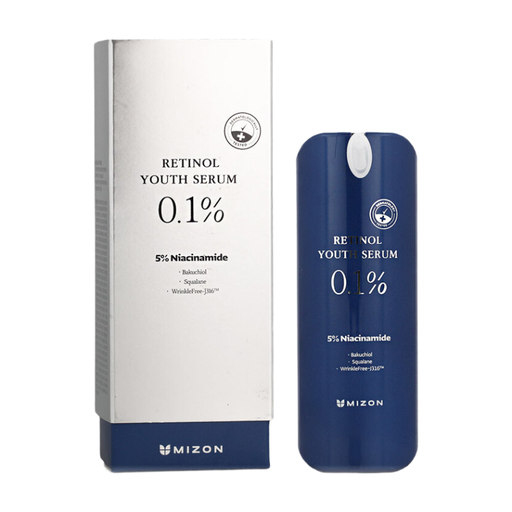
Why it suits this profile: Its stated concentration of 0.1% makes it easier to assess if you’re looking for a retinol serum for beginners. The product description also mentions niacinamide and adenosine.
The concentration is clearly stated, so you don’t have to choose based on vague claims such as “intensive” alone.
0.1% retinol, 28 g size and guidance on introducing it gradually.
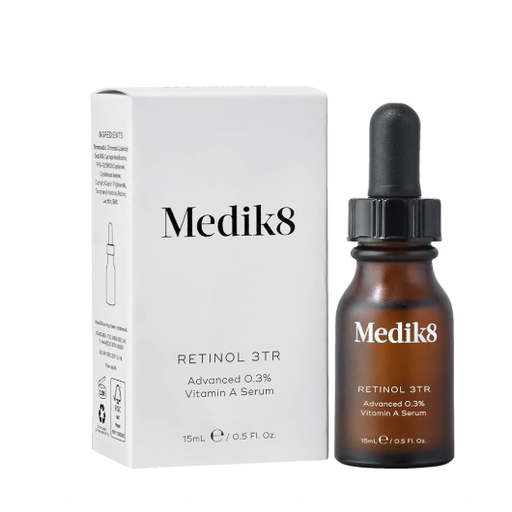
Why it suits this profile: The serum contains 0.3% retinol and uses a gradual-release delivery system. The formula also contains ingredients including squalane and vitamin E.
The product details specify both the strength of the active ingredient and the gradual-release technology.
0.3% retinol, 15 ml size and directions for use at night.
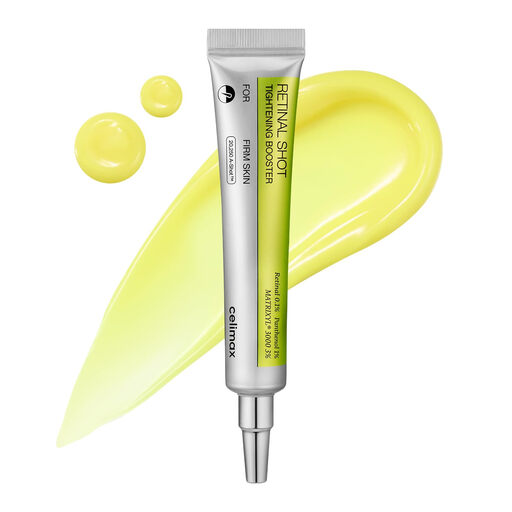
Why it suits this profile: This booster is aimed at users specifically looking for a retinal serum with 0.1% retinal and a concentrated texture.
The retinal concentration, night-time use and warnings about introducing it gradually are all clearly stated.
0.1% retinal, a peptide complex and panthenol, according to the product description.
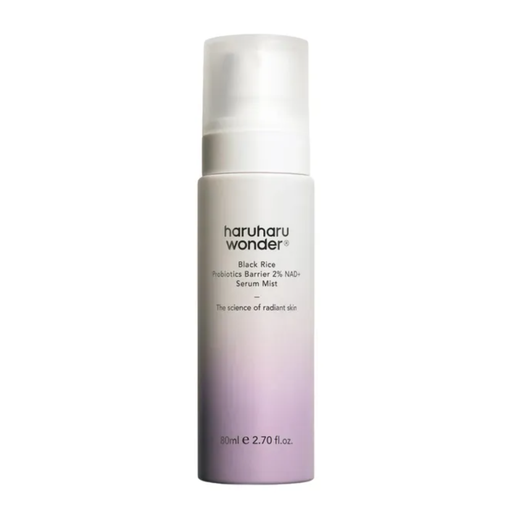
Why it suits this profile: The formula combines 0.08% microencapsulated retinol, 1% bakuchiol, ceramide NP and sunflower oil.
The amount of retinol and its encapsulated form are clearly stated, rather than relying on a generic anti-ageing claim.
0.08% microencapsulated retinol, 20 ml size and a product description that states it’s fragrance-free.
We’ve put together a complete, regularly updated list of products that meet these strict selection criteria and fully comply with the safety regulations in force in the EU.
To start with, using it two or three times a week is a practical guideline. If your skin tolerates it well, you can gradually increase how often you use it. Always follow the directions from the manufacturer and pay attention to how your own skin responds.
At first, avoid using AHA, BHA, exfoliants and highly concentrated vitamin C products in the same evening routine as retinol or retinal. Using them on different days can make your routine easier to manage and reduce the strain on your skin.
This depends on the formula and packaging. Check the best-before date, batch information and the PAO symbol on the packaging. Keep the product tightly closed in a dry place, away from direct light.