
Lieferung heute & morgen

Qualitätsgarantie

Willkommens-Angebote freischalten: KOSTENLOSE Lieferung | Bis zu 80 % RABATT | Kostenlose 30-Tage-JoyPlus-Testphase
App herunterladen
Retinol skincare is often promoted for smoother skin, refined texture and a more even-looking complexion. But choosing the right product can be confusing: retinol serums, retinol creams, retinal serums, eye care and combination products all differ in their active ingredients, concentration, texture and how they should be used.
If you buy based only on bold marketing claims, you risk choosing a product that doesn’t suit your skin or daily routine. The following criteria can help you assess retinol products for wrinkles, uneven skin and visible pores objectively.
The concentration alone doesn’t tell you everything about a formulation. A product with 0.1% retinol may be a better choice for beginners than a much higher-strength option. Other factors also matter, including the form of vitamin A used, how the formula is stabilised, the packaging and how often you plan to use it.
If you have sensitive skin, starting too quickly can lead to dryness, redness or tightness. A lower concentration and a gradual introduction are often the more practical choice.
Retinol and retinal, also known as retinaldehyde, are both vitamin A derivatives, but they’re not the same. Retinal is often described in product marketing as more potent or faster-acting. That doesn’t mean it’s the right choice for everyone.
It’s particularly important to consider your skin’s tolerance when choosing a retinal serum. Products containing several vitamin A derivatives or additional peptides, niacinamide and bakuchiol may be appealing, but they can make it harder to compare the individual active ingredients.
Retinol products are generally recommended for your evening routine. The next morning, use a broad-spectrum sunscreen with a sufficiently high SPF. A product with SPF 15, such as a retinol day cream, may not provide all the sun protection you need, depending on your daily activities and sun exposure.
Check the specific name in the INCI list and the manufacturer’s product information:
A specific percentage makes it easier to compare products. However, some products communicate the concentration through an active ingredient complex or a branded name. In that case, check the packaging for details.
A retinol serum is usually lightweight and can be used under your night cream. A retinol cream may be more practical for dry skin, as it already contains nourishing ingredients. Oil-based products, such as retinol oil, may feel richer and aren’t automatically the right choice for oily or blemish-prone skin.
If you’re looking for retinol for sensitive skin, consider the following:
Retinol and retinal are sensitive to light and air. Tubes, pump dispensers and other packaging that keeps the product well sealed can make it easier to use. Check the expiry date, batch number and the symbol showing how long the product can be used after opening.
As a general rule, start with a small amount on two or three evenings a week. If your skin tolerates it well, you can gradually increase how often you use it. Don’t combine retinol in the same evening routine with highly concentrated acids, strong exfoliants or other retinoids without careful consideration. If redness, stinging or noticeable flaking persists, stop using the product for a while.
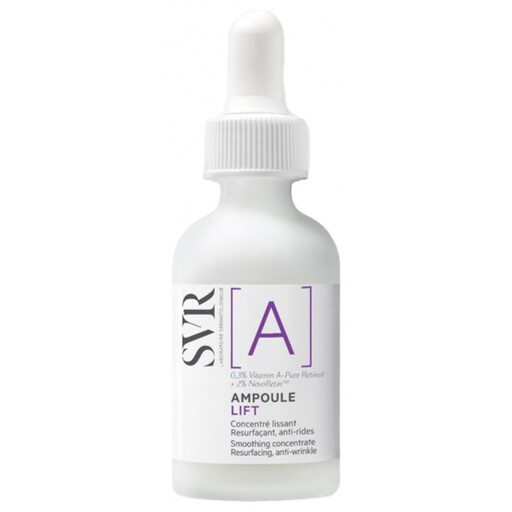
Why this product suits this profile: The formula contains 0.3% pure retinol as well as NovoRetin. It’s suited to anyone who prefers a concentrated serum texture before applying night cream.
The active ingredients are listed more clearly than with vague claims about ‘intensive’ anti-ageing skincare. Niacinamide and ceramides complement the formula.
30 ml, a milky ampoule texture, plus niacinamide and ceramides, according to the product description.
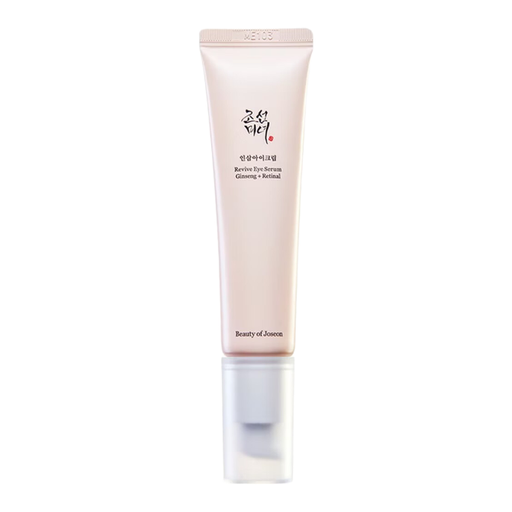
Why this product suits this profile: Its targeted use around the eyes may appeal to anyone who doesn’t want to apply a vitamin A product to their whole face straight away.
The clearly defined area of use reduces the risk of applying a face serum too close to the eyes. You should still avoid contact with the eyes.
Retinal, ginseng extract, ceramide NP and hyaluronic acid, according to the INCI list.
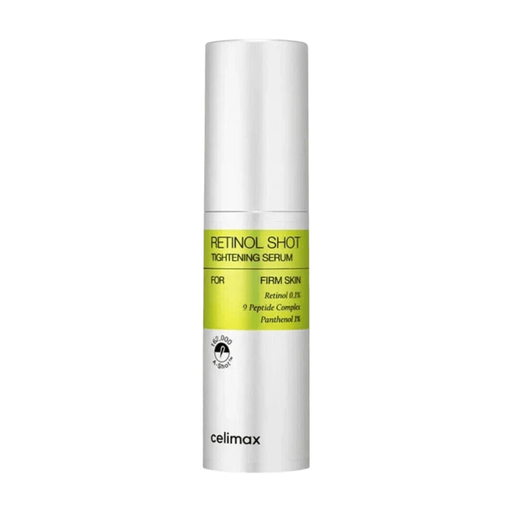
Why this product suits this profile: This Korean serum combines retinol with bakuchiol, peptides, niacinamide and ceramide NP. It’s aimed at anyone looking for several skincare benefits in one formula.
The product information recommends introducing it gradually and carrying out a patch test. It doesn’t assume that your skin will tolerate daily use straight away.
Retinol, bakuchiol, a peptide complex, niacinamide and ceramide NP, according to the ingredients list.
We’ve put together a complete, regularly updated list of products that meet these strict selection criteria and fully comply with the safety regulations in force in the EU.
Start by using a small amount in the evening two or three times a week. If you don’t experience persistent redness, stinging or significant flaking, you can gradually increase how often you use it. Always follow the specific instructions on the packaging.
Follow the expiry date and PAO symbol on the packaging. Storing the product away from light and air, keeping the dispenser tightly closed and storing it away from heat and direct sunlight can help maintain its intended quality. If the product’s smell, appearance or texture changes, stop using it.
Don’t combine retinol with other retinoids, strong AHA or BHA acids, intensive exfoliants or highly concentrated vitamin C without checking whether they’re suitable to use together. A simple routine of cleanser, retinol product, moisturiser and sunscreen is easier to manage when you’re starting out. If you’re pregnant, trying to conceive or breastfeeding, discuss the use of vitamin A derivatives with a doctor.