
Lieferung heute & morgen

Qualitätsgarantie

Willkommens-Angebote freischalten: KOSTENLOSE Lieferung | Bis zu 80 % RABATT | Kostenlose 30-Tage-JoyPlus-Testphase
App herunterladen
For drivers of vehicles not factory-equipped with a Tire Pressure Monitoring System (TPMS), retrofitting one is a smart way to enhance driving safety. However, the market is flooded with a wide variety of solutions that differ greatly in quality and functionality. An uninformed decision often leads to unreliable devices that cause more problems than they solve. This guide highlights the most common pitfalls and explains which technical features you should look for to find a suitable and durable solution for your vehicle.
Many products advertise extensive features but fail to meet basic real-world requirements. Pay close attention to these three weaknesses to avoid a bad buy:
To avoid the problems mentioned above, you should check three key technical parameters before making a purchase. These largely determine the reliability and real-world usability of a retrofit TPMS.
The type of tire pressure sensors is a fundamental choice.
The display unit in the cockpit needs a constant power supply. The most practical solutions combine two methods:
An effective system must monitor not only pressure but also temperature, as an overheating tire poses a significant safety risk.
Based on the criteria above, we have curated products for different user groups and their specific needs.
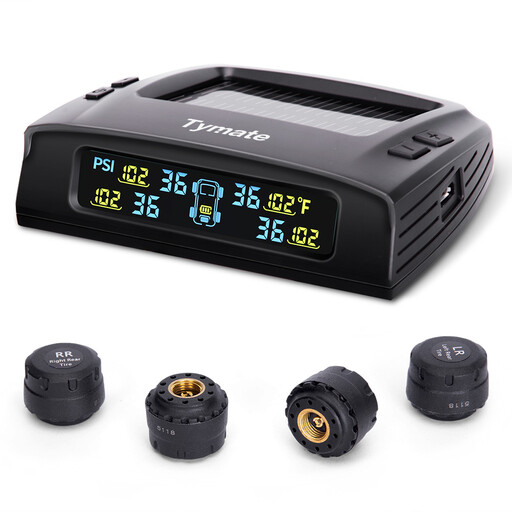
Why it's a good fit: Ideal for drivers of cars, SUVs, or family vehicles who are looking for a hassle-free, all-in-one solution for real-time monitoring. The system is designed for the demands of daily commutes and long road trips.
The system uses a stable 433.92 MHz radio transmission. The display is easy to read by day (color display) and night (blue backlight). During an alert, the affected tire is marked in red. The external sensors use replaceable CR1632 batteries.
Dual power supply via solar and USB. Five different alert modes for pressure, temperature, and sensor status. Automatic sleep mode after 10 minutes of inactivity to save power.
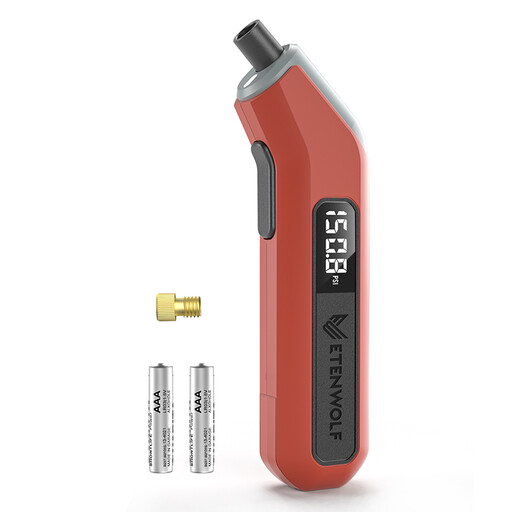
Why it's a good fit: For drivers who don't want to install a permanent monitoring system but need a precise tool for regular manual pressure checks. It's a cost-effective alternative for maintaining tire safety.
This device completely bypasses the problems of retrofit systems, such as signal interference or dead sensor batteries, as it is a manual gauge. It provides an exact, direct measurement with every use, no radio transmission required.
High measurement accuracy and a large, bright LED display for excellent readability in all light conditions. Powered by standard AAA batteries and includes an adapter for Presta valves, making it versatile.
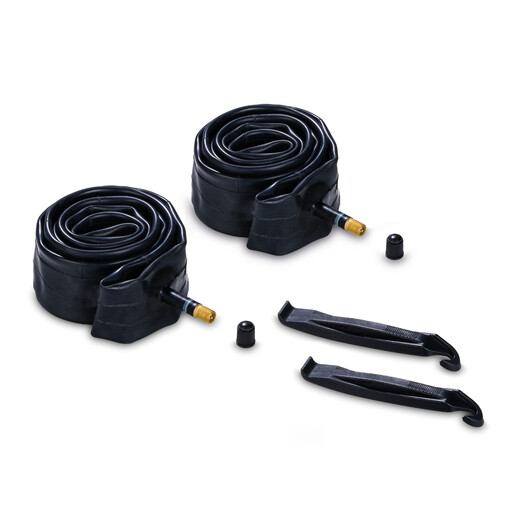
Why it's a good fit: This isn't a monitoring system, but a complementary kit for anyone who wants to be prepared for a flat tire. It is especially relevant for owners of vehicles or trailers without a spare wheel or run-flat tires.
Instead of just providing a warning, this kit offers a direct solution in the event of a flat. It's a mechanical, reliable piece of equipment that works independently of electronics or batteries and can get you back on the road in an emergency.
Universal repair kit for common tire sizes (in this case, 20 inches, primarily for bike trailers). Includes the necessary accessories for an easy repair on the go. The robust rubber tubes and valves are designed for durability.
We have compiled a complete, up-to-date list of products that fully meet these strict selection criteria and safety regulations.
The battery life in external sensors is typically one to two years. Models that use standard button cells like the CR1632 are preferable, as these batteries are widely available and inexpensive to replace. Many systems also provide an automatic warning when a sensor's battery voltage is low.
The installation of systems with external sensors is very simple and can be done in minutes without any prior experience. The sensors are just screwed onto the valves, and the display unit is placed inside the vehicle. Systems with internal sensors, however, require installation by a professional workshop, as the tires must be removed from the rims.
Yes. The solar panel primarily serves to trickle-charge and extend the battery life of the display unit. On dark days or during frequent night drives, the integrated battery can be charged at any time via the standard USB port. This ensures its functionality is guaranteed year-round.