
Lieferung heute & morgen

Qualitätsgarantie

Willkommens-Angebote freischalten: KOSTENLOSE Lieferung | Bis zu 80 % RABATT | Kostenlose 30-Tage-JoyPlus-Testphase
App herunterladen
By the Joybuy Product Recommendation Officer Published July 28, 2026
Household bags are essential tools for daily life, but the sheer variety can be overwhelming. From food preservation to waste disposal, their applications are diverse. The wrong choice not only leads to frustration from torn bags and spoiled food but also to unnecessary expenses. This guide will show you what to look for to find the right products for your needs and sidestep common purchasing pitfalls.
Many products promise more than they can deliver. Before making a decision, you should be aware of the following three pitfalls that often lead to dissatisfaction:
To avoid these problems, you should check three core parameters. These will help you objectively evaluate the functionality and quality of a household bag.
The material is the foundation of a bag's performance. Look for the following features:
The seal determines tightness and ease of use. Common systems include:
The size must match the intended use. Standard sizes like 1 litre, 2 litres, or 4 litres cover most needs. Additionally, there are specialised bags for specific applications:
Based on the criteria mentioned, we have identified products that are suitable for specific user profiles.
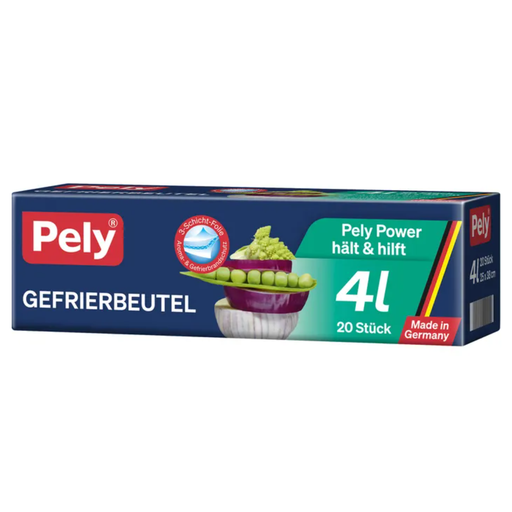
Why it's a great fit: Ideal for freezing large quantities like a whole chicken, loaves of bread, or pre-cooked family meals. The large capacity supports bulk storage and meal prep.
The optimised 3-layer film provides high tear resistance and reliably protects against freezer burn, avoiding the "misleading tear resistance" pitfall.
BPA-free and flexible in temperatures down to -40°C. The labelling area makes organising your freezer easy.
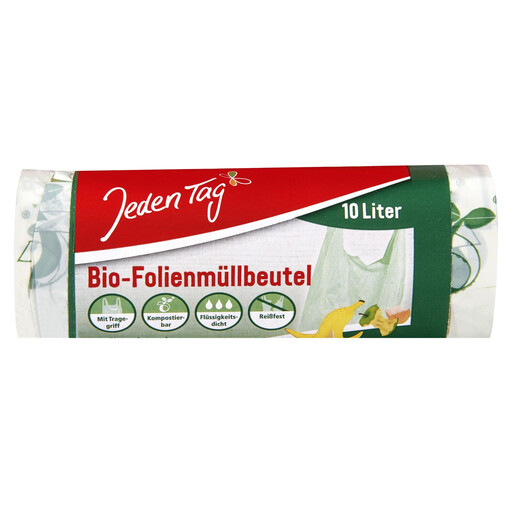
Why it's a great fit: Designed for collecting organic waste in the kitchen. A practical solution for households participating in municipal organic waste collection.
The product is clearly described as "compostable under approved conditions" and is made from corn starch. This avoids the pitfall of vague "eco" promises and encourages checking local regulations.
Offers an alternative to conventional plastic bags for disposing of organic waste and supports separate waste collection.
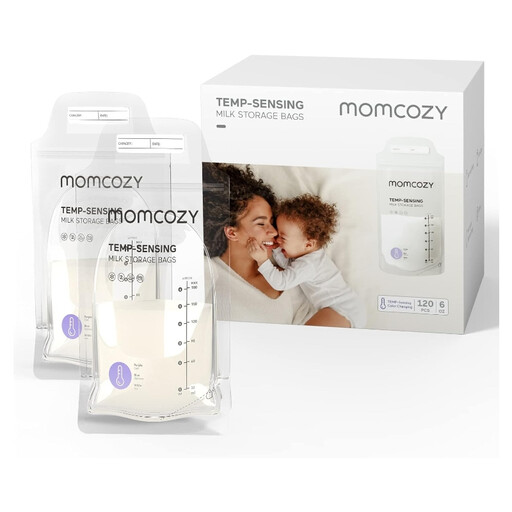
Why it's a great fit: Specifically developed for the safe and hygienic storage of breast milk. Its features are precisely tailored to the needs of nursing mothers.
The double zip-lock seal and reinforced side seams ensure high leak protection, sidestepping the pitfall of unreliable seals. Separate filling and pouring spouts prevent contamination.
The integrated temperature indicator provides a visual check to see if the milk is at the right temperature. The bags are pre-sterilised and BPA-free.
We have compiled a complete, up-to-date list of products that fully meet these strict selection criteria and German safety regulations.
A high-quality freezer bag is distinguished by three features: a robust, ideally multi-layered material explicitly designed for low temperatures (e.g., down to -40°C); a completely tight seal (like a double zip-lock or a strong clip); and a BPA-free label for direct food contact. A labelling area is also a practical feature for good organisation.
It depends on the product. Many bags labelled "biodegradable" or "compostable" require the high temperatures of an industrial composting facility. For home composting, you should look for products with a certification like "OK compost HOME". Without this label, it's advisable to dispose of the bags in the organic waste bin, provided this is permitted by your municipality.
Freezer burn occurs when air comes into contact with frozen food. To prevent this, you should use a suitable freezer bag made of thick, durable material. Squeeze as much air as possible out of the bag before sealing it. Ensure the seal is completely and tightly closed. Using special vacuum sealer bags is the most effective method for preventing freezer burn.