
Lieferung heute & morgen

Qualitätsgarantie

Willkommens-Angebote freischalten: KOSTENLOSE Lieferung | Bis zu 80 % RABATT | Kostenlose 30-Tage-JoyPlus-Testphase
App herunterladen
BPA-free kitchen and household products are on many shoppers’ lists. Families look for suitable materials, people who work away from home need leakproof containers, and meal-prep fans want space-saving food storage. But product descriptions aren’t always consistent: “BPA-free” alone tells you nothing about temperature limits, leak resistance or how much cleaning is involved.
A container can be BPA-free and still be unsuitable for the oven, hob or boiling liquids. Plastic products vary considerably in their safe temperature ranges. Silicone and stainless steel items also have their own care instructions.
Before you buy, check:
A silicone seal, screw top or four-sided locking lid can keep liquids in reliably, provided all the parts are fitted correctly and clean. Deformed seals, incorrectly positioned lids or residue around the closure can affect how well they work.
For leakproof containers, look for removable seals, clear instructions on how the lid closes and easy cleaning.
Reusable kitchen products can help reduce single-use packaging, but they need regular cleaning and thorough drying. Sealing rings, bottle lids and filter cartridges need particular attention. A product that doesn’t suit your cleaning routine can quickly become impractical.
BPA-free food storage containers are often made from polypropylene, Tritan, silicone or stainless steel. The material name alone isn’t what matters: it’s the combination of material and intended use.
For products that come into contact with food, also check the manufacturer’s specific information on food contact suitability. For example, the BRITA Marella is stated to comply with EU Regulation (EC) No 1935/2004.
Choose a size that suits what you actually need to store. Small containers are handy for sauces, fruit or nuts, while larger ones are useful for leftovers and prepared meals. Stackable or nestable designs take up less cupboard space.
The Lock & Lock set includes five square containers, ranging from 180 ml to 2.1 l. When not in use, they can be nested inside one another. A 550 ml drinks container, on the other hand, is more suited to a rucksack, work bag or cup holder.
Dishwasher-safe kitchenware can save time, although approval often applies only to the top rack or to the container itself. Filter jugs and filter bottles also mean regular replacement costs. So check:
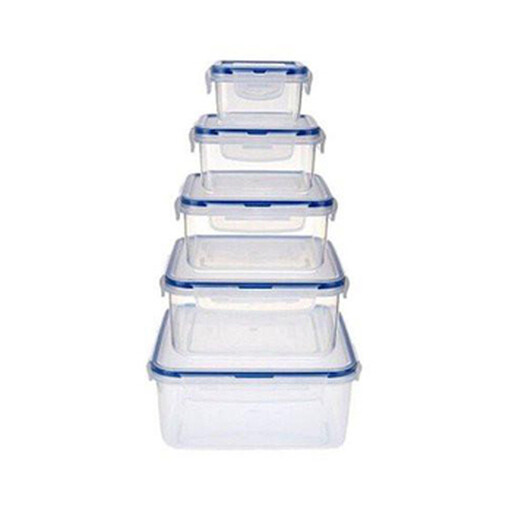
Why it suits this profile: Five sizes, from 180 ml to 2.1 l, cover everyday leftovers, side dishes and prepared portions, while the containers nest inside one another.
The removable silicone seal can be cleaned separately. Loosen the lid before using the container in the microwave; it isn’t designed for the oven or hob.
BPA-free PP, an airtight and leakproof seal, suitable for the freezer and fridge, and dishwasher-safe on the top rack.
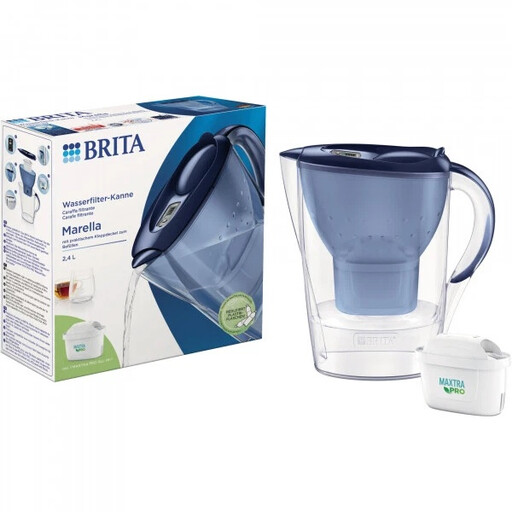
Why it suits this profile: With a 2.4 l capacity and room for 1.4 l of filtered water, this jug is well suited to regular use in a family home.
The electronic filter indicator reminds you when to replace the cartridge. The jug is designed for municipally treated tap water, not water from sources that may be microbiologically unsafe.
BPA-free materials, a jug that’s dishwasher-safe up to 50 °C, and a filter change indicator.
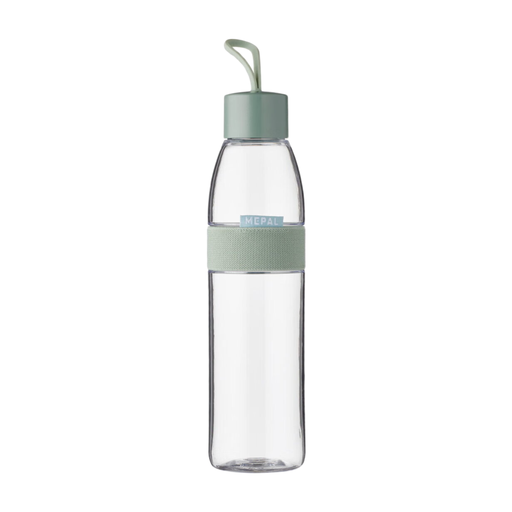
Why it suits this profile: Its capacity makes it a good choice for work, leisure and sport. It’s designed for carbonated drinks, but shouldn’t be filled right to the top.
The manufacturer clearly states the limits: don’t freeze it or use it in the microwave. Remove the elastic band before putting the bottle in the dishwasher.
BPA-free, leakproof, suitable for carbonated drinks and dishwasher-safe without the elastic band.
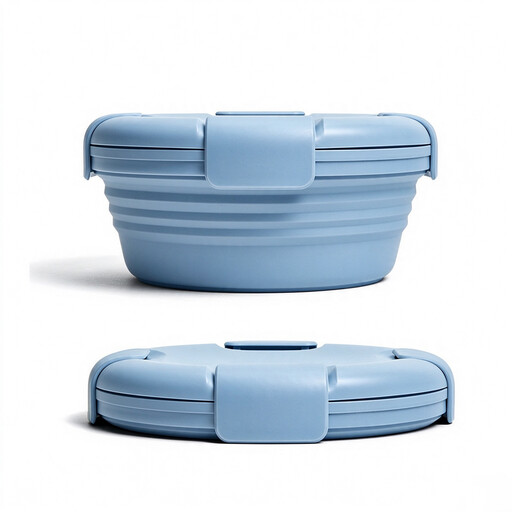
Why it suits this profile: Designed for fruit, salad, pasta and snacks, the box folds down to around 4 cm high when empty.
Its collapsible design takes up less storage space. Check the temperature limits before use and dry the container thoroughly after washing.
BPA-free silicone, reusable, designed for the microwave and dishwasher, and folds away to save space.
We’ve put together a complete, regularly updated list of products that meet these strict selection criteria and fully comply with the safety regulations in force in the EU.
No. BPA-free means that bisphenol A hasn’t been used; it doesn’t automatically mean the product is heatproof. Check the manufacturer’s guidance for each product. Some containers need their lids loosening to release pressure. Being suitable for the oven doesn’t mean a product is also suitable for the microwave.
Their lifespan depends on the material, cleaning, temperature and physical wear. Replace a bottle if it develops cracks, persistent odours, deformations or damaged seals. For dishwasher-safe models, follow the care instructions for the lid, sealing ring and elastic band.
As well as the initial purchase price, you’ll need to pay for replacement cartridges. BRITA recommends changing the cartridge in the Marella approximately every four weeks. Local water quality, how often you use the jug and the stated filter capacity are also important. Use filters only as directed by the manufacturer and replace them on time.