
Lieferung heute & morgen

Qualitätsgarantie

Willkommens-Angebote freischalten: KOSTENLOSE Lieferung | Bis zu 80 % RABATT | Kostenlose 30-Tage-JoyPlus-Testphase
App herunterladen
A reusable water bottle can replace single-use bottles and make everyday life easier at the office, university, while exercising or when travelling. But choosing one can be less straightforward than it seems: claims such as ‘leakproof’, ‘insulated’ or ‘BPA-free’ don’t, on their own, tell you whether a particular model suits your habits.
Three common buying mistakes are particularly likely to lead to the wrong choice:
A stainless steel water bottle with double-wall vacuum insulation is a good choice if you want your drinks to stay hot or cold for longer. Stainless steel also stands up well to many everyday knocks and bumps. For hot drinks, though, check that the lid, drinking spout and seal are designed for them.
Plastics such as Tritan or PCTG can be lightweight and highly transparent. A BPA-free water bottle describes a material property, but doesn’t indicate how well it handles different temperatures or how durable it is. The product description should give the specific temperature limit.
Glass can be taste-neutral, but you’ll need a protective sleeve when you’re out and about. If there’s a risk of dropping it, take the weight, protective cover and break resistance into account.
For your commute or carrying in a bag, a leakproof water bottle with a securely closing lid is especially important. Look for:
A water bottle with a straw makes it easy to drink while walking or exercising. However, it has extra parts that should be cleaned after every use and dried thoroughly. A straw is only suitable for hot drinks if the manufacturer specifically says so.
For short journeys, 380 to 500 ml is often enough. A 600 ml bottle is a better choice for longer working days, training sessions or trips out. Larger models holding 720 or 900 ml mean fewer refills, but take up more space and can be much heavier when full.
Ease of cleaning also affects how practical a bottle is for everyday use. Dishwasher-safe models are convenient, while others can only be washed by hand. Make sure you can get to the lid, straw and seals separately. Any damp spots left in the lid can lead to unpleasant smells.
Rather than ranking these products in a one-size-fits-all list, we’ve chosen them for specific uses and based on their stated features.
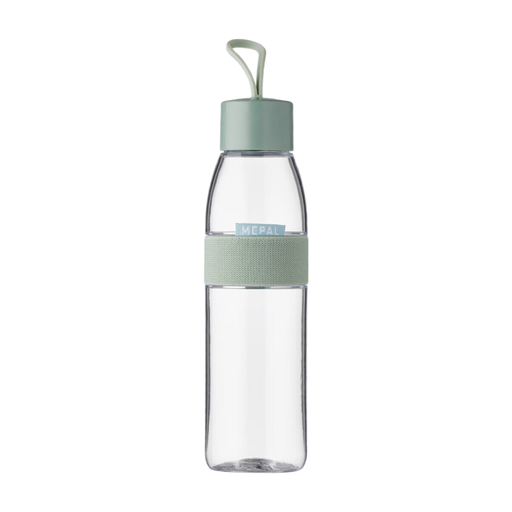
Why it suits this use: This compact water bottle is ideal for the office, university and short journeys. It’s made from BPA-free plastic and weighs 110 g according to the product information. It’s suitable for fizzy drinks, as long as it isn’t filled to the brim.
The product information specifies a tightly closing cap and also gives a fill limit for fizzy drinks. That way, its suitability isn’t overstated.
500 ml capacity, BPA-free and dishwasher-safe without the elastic band.
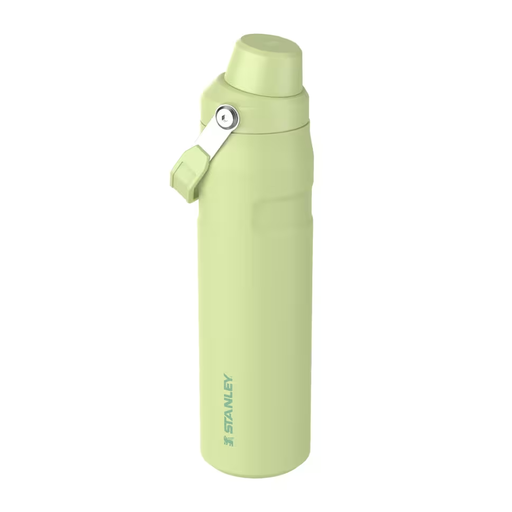
Why it suits this use: The double-wall vacuum insulation and recycled 18/8 stainless steel make this a good option if you want to take cold drinks with you on your commute, to the gym or on days out.
The wide opening makes filling and cleaning easier. The product description also clearly states a restriction for fizzy drinks.
600 ml, 370 g, keeps drinks cold for up to 10 hours and ice for up to two days, according to the product information.
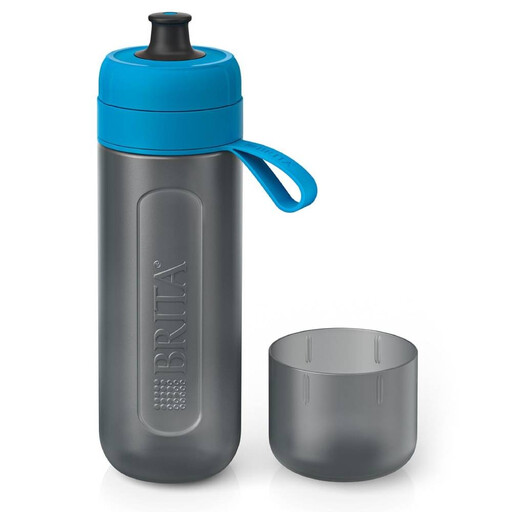
Why it suits this use: Ideal if you want to drink tap water while you’re out and about and are looking for a sports bottle you can use one-handed. The product information states that the MicroDisc filter lasts for up to 150 litres or four weeks.
The filter replacement intervals are clearly specified. Bear in mind that the filter isn’t dishwasher-safe and the bottle is designed for cold drinking water only.
BPA-free plastic, 600 ml capacity, carry loop and a dishwasher-safe bottle when the filter is removed.
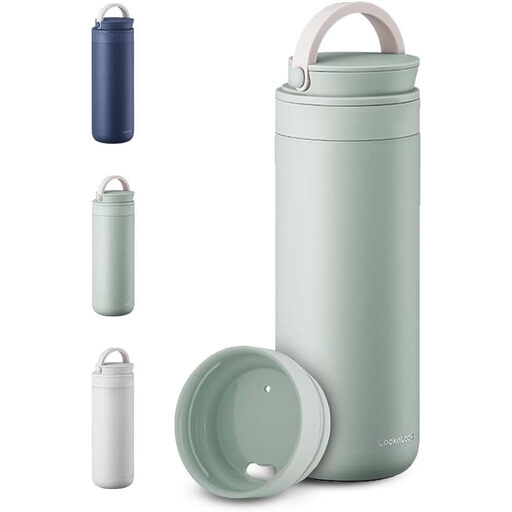
Why it suits this use: This insulated tumbler has a narrow drinking spout and a wider opening for adding ice and cleaning. It’s a practical choice for coffee, tea or water at the office or on the go.
The product information specifies hand-washing and clearly states that it isn’t suitable for the microwave, oven or dishwasher. That helps you avoid incorrect assumptions about how to care for it.
475 ml, double-wall vacuum insulation, screw-top lid and two drinking openings.
We’ve put together a complete, regularly updated list of products that meet these strict selection criteria and fully comply with the safety regulations in force in the EU.
How long a reusable water bottle lasts depends largely on its lid, seal and how it’s cleaned. After each use, remove any leftover drink and dry all the parts. If your bottle has a straw, clean the mouthpiece and straw every day. Damaged seals, cracks or a lid that stays loose are all reasons to stop using the bottle.
With stainless steel models, avoid putting unnecessary strain on the surface with abrasive sponges or harsh cleaners. Don’t use plastic bottles for liquids hotter than the temperature specified in the product description. Always follow the manufacturer’s guidance on fizzy drinks.
For the office, university and short journeys, 500 to 600 ml is usually a practical range. A 600 ml bottle holds more, while a 500 ml bottle is often lighter and more compact. Also consider the bottle’s height and diameter, as well as its weight when full.
Clean the bottle, lid, seal and drinking spout regularly with warm water and mild washing-up liquid. A soft bottle brush can help with hard-to-reach areas. Follow the dishwasher instructions. For filter bottles, the filter usually needs to be dealt with separately and replaced on time.
An insulated water bottle or thermos is useful if you want drinks to stay hot or cold for several hours. For water on short journeys, a non-insulated sports bottle is often enough. Before buying, compare the temperature guidance, weight, cleaning requirements and suitability for hot or fizzy drinks.