
Lieferung heute & morgen

Qualitätsgarantie

Willkommens-Angebote freischalten: KOSTENLOSE Lieferung | Bis zu 80 % RABATT | Kostenlose 30-Tage-JoyPlus-Testphase
App herunterladen
A reusable water bottle can come in handy for everyday use, commuting, the office or exercise. But bright colours, bold claims about being leakproof or an apparently low price don’t automatically make a bottle the right choice. The technical details matter most: capacity, material, lid, cleaning and the intended temperature range.
A leakproof water bottle will only stay securely closed if the lid, silicone seal and closing mechanism work properly together. Some models require the seal to sit exactly in the right position. If it’s missing or out of place, or the lid isn’t screwed on fully, liquid may leak out.
Before you buy, check:
A BPA-free water bottle isn’t automatically made from a material suitable for boiling-hot drinks. Many plastic and Tritan models are specifically intended for cold or room-temperature drinks only. Excessive heat can deform the material or lid. Hot liquids can also cause burns.
So check the stated temperature range. According to the product description, some LocknLock models are designed for drinks between -20 °C and 60 °C. Other bottles must not be filled with liquids above 50 °C or with boiling water.
For a dishwasher-safe water bottle, check whether this applies to the whole bottle or only certain parts. According to the product information, the Mepal Ellipse bottle can go in the dishwasher, but without the elastic band. Hand washing is recommended for several Tritan models to protect the material’s clarity and the seals.
A hard-to-reach drinking spout, a tightly fitted mouthpiece or non-removable seals can all make cleaning more difficult. In everyday use, this may matter more than an extra design feature.
The right size depends on your journey, activity and available space:
Also compare the diameter and height. For example, a 730 ml sports bottle with a 75 mm diameter needs more room than a slim 500 ml water bottle.
A Tritan water bottle is made from a transparent copolyester, described in the product information provided as BPA-free and impact-resistant. Tritan models are usually lighter than stainless steel and have a similar look to glass. However, they’re not automatically suitable for hot, carbonated or fermented drinks.
BPA-free plastic bottles can also be lightweight and easy to handle. What matters is the manufacturer’s specific guidance on temperature and use. A stainless-steel bottle such as the 24 Bottles Urban 500 ml has a single wall and is not insulated. According to the product description, it’s intended for cold, still drinks and should be washed by hand.
A screw lid has a simple mechanism and may be all you need for work, travel and everyday use. A water bottle with a drinking spout or sports cap, on the other hand, often lets you drink one-handed. That’s handy when exercising or cycling, but the mouthpiece and seal need to be cleaned thoroughly.
For carbonated drinks, the lid must be specifically suitable. According to the product information, the Mepal Ellipse is designed for them, but the bottle should not be filled to the brim. Many sports bottles with flip-top lids or squeeze functions, however, are not suitable for carbonated drinks.
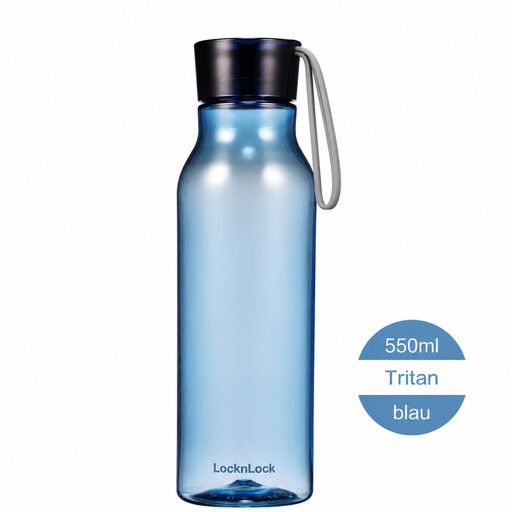
Why this product suits this profile: This compact bottle is designed for cold drinks and weighs around 110 g, according to the product information. The screw lid and wrist strap make it suitable for the office, commuting and everyday use.
The product specifies a temperature range of -20 °C to 60 °C and highlights the importance of positioning the silicone seal correctly. It is not suitable for the dishwasher, microwave or hot liquids.
BPA-free Tritan copolyester, 550 ml capacity and a diameter of 65 mm.
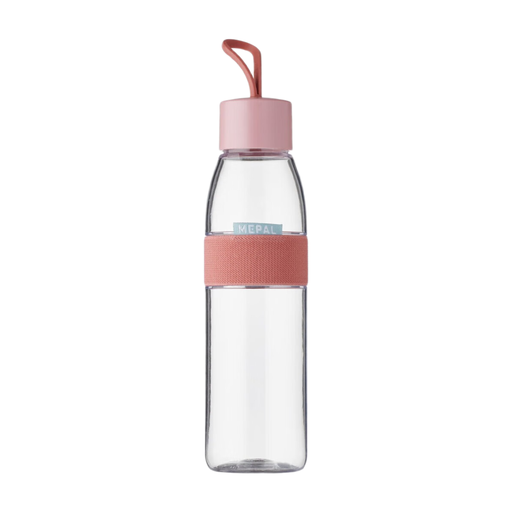
Why this product suits this profile: This BPA-free bottle has a screw lid with an attached loop and is described as leakproof in the product information. It’s suitable for work, exercise and leisure.
You can wash the bottle in the dishwasher, provided you remove the elastic band first. When using it for carbonated drinks, don’t fill it to the brim.
500 ml capacity, BPA- and plasticiser-free materials, and dishwasher-safe when the elastic band is removed.
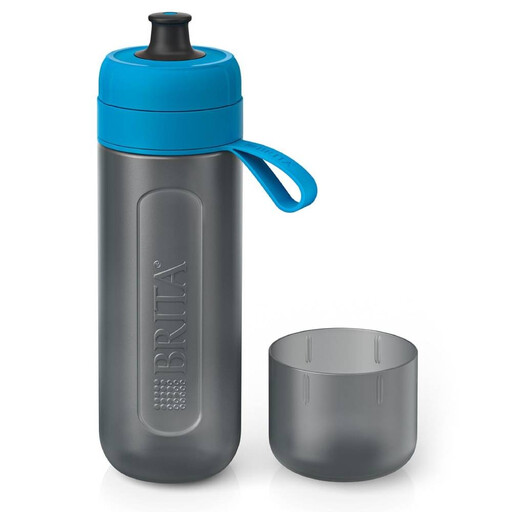
Why this product suits this profile: This water filter bottle is designed for people who want to filter cold tap water while out and about. It has a sports cap, a wrist strap and a capacity of 600 ml.
According to the product information, the filter cartridge must be replaced after four weeks or 150 litres at the latest. Take extra care to clean the filter and mouthpiece.
BPA-free plastic, a dishwasher-safe bottle and a MicroDisc filter for cold tap water.
We’ve put together a complete, regularly updated list of products that meet these strict selection criteria and fully comply with the safety regulations in force in the EU.
A bottle’s lifespan depends on more than its material. Clean it after every use, let it dry completely and, where possible, store it with the lid open. Check the seals, mouthpieces and flip-top mechanisms regularly.
Replace the bottle if it develops cracks, becomes deformed, retains persistent odours or has damaged seals. Avoid abrasive cleaners if the product information advises against them. Depending on the model, there may be specific restrictions on carbonated, hot or fermented drinks.
It’s best to clean your bottle after every use. If it has a drinking spout, make sure you rinse the mouthpiece and seal thoroughly, then let them dry completely.
There’s no set lifespan that applies to every bottle. The material, lid, cleaning method and how heavily you use it all play a part. Stop using the bottle if it develops cracks or leaks, or if its seals are damaged.
A 500 ml bottle is often enough for short journeys and the office. A 600 ml water bottle gives you a little more capacity while remaining relatively compact. For longer workouts or days out, 700 ml to 730 ml may be a better choice, as long as the diameter fits in your bag or drinks holder.