
Lieferung heute & morgen

Qualitätsgarantie

Willkommens-Angebote freischalten: KOSTENLOSE Lieferung | Bis zu 80 % RABATT | Kostenlose 30-Tage-JoyPlus-Testphase
App herunterladen
A reusable water bottle should stay leakproof in your rucksack, be easy to clean hygienically and fit into your daily routine. In practice, unclear material specifications, unsuitable lids or unrealistic expectations about fizzy drinks can often lead to the wrong purchase.
If you’re looking for a water bottle for work, commuting, sport or travel, don’t focus only on colour and capacity. Clear product details matter most, including whether it’s leakproof, what it’s made from, how to clean it and what it’s designed to be used for.
A leakproof water bottle is only practical for everyday use if the lid, seal and closure all work together properly. A screw-top lid can be reliable, but it needs to be fully tightened. For flip-top lids, an additional locking slider is useful, especially when carrying the bottle in a bag.
The seal also deserves attention. It can come loose during cleaning, be put back incorrectly or absorb odours. Before buying, check the care instructions and whether replacement parts are available.
A water bottle for fizzy drinks needs to be designed to withstand the pressure they create. An ordinary sports bottle isn’t automatically suitable. Some models explicitly state that they shouldn’t be used with carbonated mineral water.
Even if a bottle is suitable, don’t fill it right to the brim. Leaving some space allows for pressure and makes it easier to open safely. Drinks containing syrup, juice or fermenting ingredients may come with additional restrictions.
A dishwasher-safe water bottle isn’t necessarily approved for the dishwasher with all its parts. According to the product information, Mepal Ellipse bottles are dishwasher-safe, but the elastic band should be cleaned separately by hand.
After washing, leave the bottle open to dry. This allows moisture to escape from the threads, seals and inside of the bottle.
According to the product information, a BPA-free water bottle contains no bisphenol A. For plastic models, it’s also worth checking the material. ABS, PCTG and Tritan can differ in weight, transparency and temperature resistance.
However, the material information doesn’t replace the care instructions. A bottle can be BPA-free and still not be suitable for hot drinks, the microwave, the freezer or fizzy drinks. For everyday use in Germany, clear guidance on temperature limits and cleaning is particularly useful.
A 500 ml water bottle will usually fit in smaller bags, rucksack pockets and cup holders. It’s handy for short commutes, errands or a workout. A 700 ml water bottle, on the other hand, means fewer refills and is practical for longer days at the office, outings or sports sessions.
Choose a capacity that suits your bag and the weight of the bottle. A larger bottle isn’t automatically a better choice if it becomes awkward to carry or doesn’t fit in the pocket you plan to use.
Look for clear information about:
A reusable water bottle is only a more sustainable choice if you use it regularly, clean it properly and replace it if the seal is damaged or the bottle develops cracks.
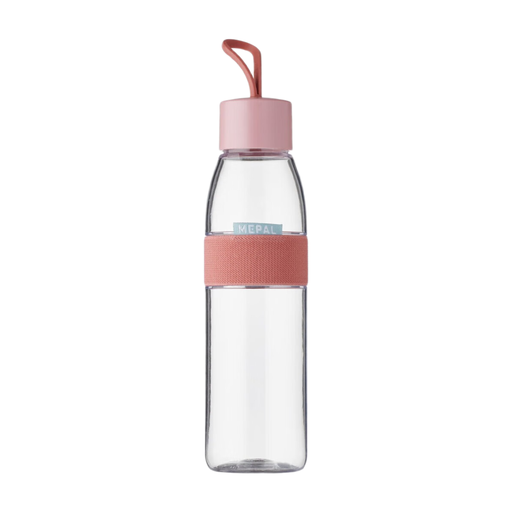
Why it suits this profile: Its compact 500 ml size is ideal for work, short journeys and sport. According to the product information, it’s BPA-free, leakproof and suitable for fizzy drinks.
The manufacturer specifically states that it’s suitable for fizzy drinks. However, leave some space below the rim when filling it.
500 ml capacity, weighs 110 g and is dishwasher-safe, excluding the elastic band.
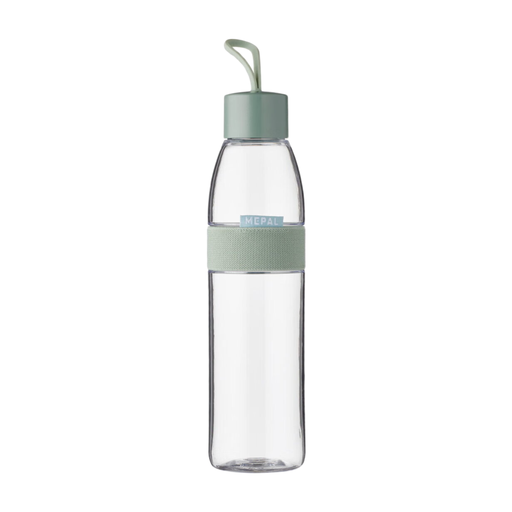
Why it suits this profile: The 700 ml version offers more capacity for long working days, travel and leisure. According to the product description, it’s made from ABS and PCTG and is BPA-free.
The product information confirms that it’s leakproof and dishwasher-safe, excluding the elastic band, and clearly states that it must not be used in the microwave or freezer.
700 ml capacity, weighs 132 g and is suitable for fizzy drinks, as long as it isn’t filled to the brim.
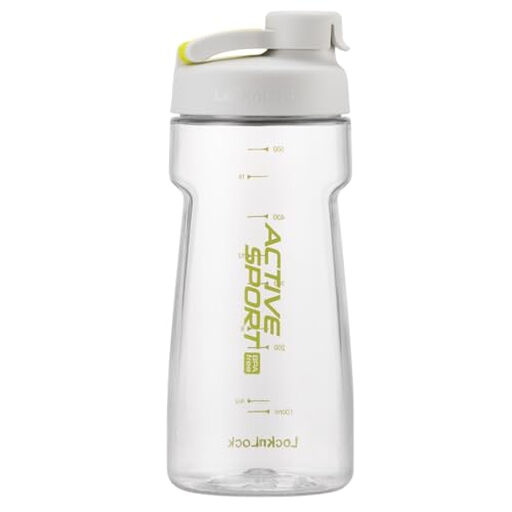
Why it suits this profile: The one-handed lid with locking slider is designed for training, commuting and frequent use. According to the product information, the Tritan material is BPA-free.
The instructions rule out fizzy and hot drinks, making the bottle’s intended uses clear.
550 ml capacity, a one-touch lid with a locking mechanism and a temperature range of -20 °C to 60 °C, according to the product information.
We’ve put together a complete, regularly updated list of products that meet these strict selection criteria and fully comply with the safety regulations in force in the EU.
There’s no one-size-fits-all answer. It depends on the material, how often you use the bottle, how you clean it and how much wear and tear it’s exposed to. Visible cracks, lingering odours or a damaged seal are signs that it may be time for a replacement. You should also follow the manufacturer’s instructions.
Check the product information for each bottle. The 500 ml and 700 ml Mepal Ellipse models are described as suitable for fizzy drinks, but shouldn’t be filled to the brim. According to the product information, the LocknLock Active Sports Bottle isn’t suitable for fizzy drinks.
No. Dishwasher approval often applies only to the bottle itself. Lids, elastic bands or seals may need to be washed by hand. Before putting the bottle in the dishwasher for the first time, check the care instructions for that specific model.