
Lieferung heute & morgen

Qualitätsgarantie

Willkommens-Angebote freischalten: KOSTENLOSE Lieferung | Bis zu 80 % RABATT | Kostenlose 30-Tage-JoyPlus-Testphase
App herunterladen
A reusable water bottle is part of many people’s everyday essentials – at the office, in the gym, on the school run or when out and about. The choice ranges from lightweight plastic models and an stainless steel water bottle to insulated versions with a filter. However, eye-catching designs and marketing claims do not automatically lead to the right purchase decision.
A leak-proof water bottle depends on more than just the bottle itself. The lid, the fit of the silicone ring and the ability to lock the lid correctly are all crucial. Some models require the seal to sit precisely in a groove. Even a twisted seal can cause water to leak into your bag.
Before buying, check:
With a dishwasher-safe water bottle, it is important to read the manufacturer’s instructions carefully. With some models, the bottle and lid can go in the dishwasher, while a sealing ring or rubber band must be cleaned separately by hand. Other products are suitable for hand washing only.
A hard-to-reach drinking opening, a permanently attached straw or lots of small lid components can make everyday cleaning more difficult. For frequent use, a wide opening is practical because bottle brushes are easier to use.
A 500 ml water bottle is compact and often fits in rucksack pockets, bike bottle cages or car cup holders. For long working days, walks or intensive training sessions, 600 to 750 ml may be more practical. However, a larger capacity usually means greater weight and takes up more space.
An insulated water bottle keeps drinks hot or cold for longer, depending on its construction. This often requires a double-walled design, which is heavier than a single-walled water bottle. If you only carry tap water at room temperature, you may not need this feature.
A stainless steel water bottle is generally robust and taste-neutral. Double-walled models can also provide insulation. Check the specific type of stainless steel and the care instructions. Not every stainless steel bottle is dishwasher-safe.
A Tritan water bottle is made from a transparent copolyester. Product descriptions often highlight its low weight, glass-like appearance and increased resistance to impact. Tritan models are generally suitable for cold or lukewarm drinks; temperature limits such as 50 or 60 °C must be observed.
Glass can be taste-neutral and makes it easy to see the contents. However, it carries a greater risk of breaking. A protective sleeve improves handling, but does not make the bottle unbreakable.
A screw top is straightforward and has few moving parts. A one-touch lid allows you to open the bottle with one hand, but should have a safety lock. A straw or sports opening can be practical during training, but requires thorough cleaning.
With carbonated drinks, the lid should not automatically be assumed to be suitable. Models such as the Mepal Ellipse are designed for this according to the product information, but should not be filled to the brim. Other bottles are expressly not suitable for carbonated drinks.
A BPA-free water bottle meets an important material requirement for contact with food and drink. However, the term does not indicate whether a product is suitable for hot drinks, dishwasher-safe or designed for acidic beverages. These points must be checked separately.
After use, the bottle should be left open to dry. Seals, drinking attachments and threads require particular attention, as residue can collect there. If the bottle has cracks, damaged seals or a change in odour, stop using it.
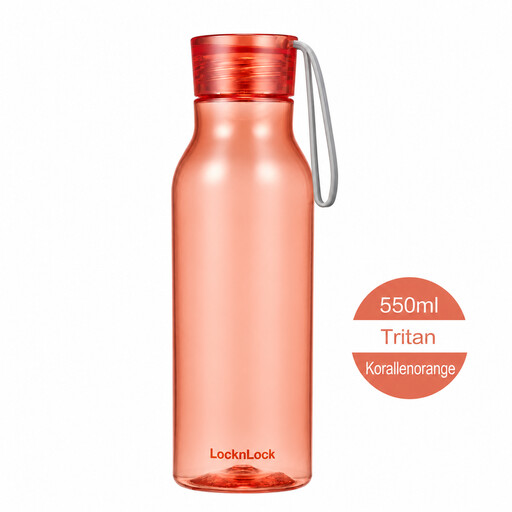
Why this product suits this profile: This lightweight Tritan model has a 550 ml capacity, making it suitable for commuting, school and the office. The screw top and carry loop keep the design relatively straightforward.
The sealing ring must sit correctly in the groove of the lid. The temperature range of -20 to 60 °C and hand washing must be observed carefully.
BPA-free Tritan, a 550 ml capacity and a weight of around 110 g according to the product information.
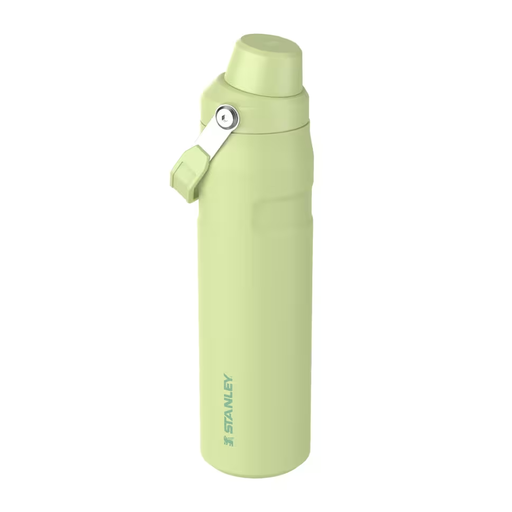
Why this product suits this profile: The double-walled stainless steel construction with vacuum insulation is designed for people who want to carry cold drinks for longer periods.
The product information states that the lid is leak-proof, the opening is wide and the bottle is dishwasher-safe. It is expressly not designed for carbonated drinks.
600 ml capacity, 18/8 stainless steel, vacuum insulation and, according to the product description, cold drinks for up to 10 hours.
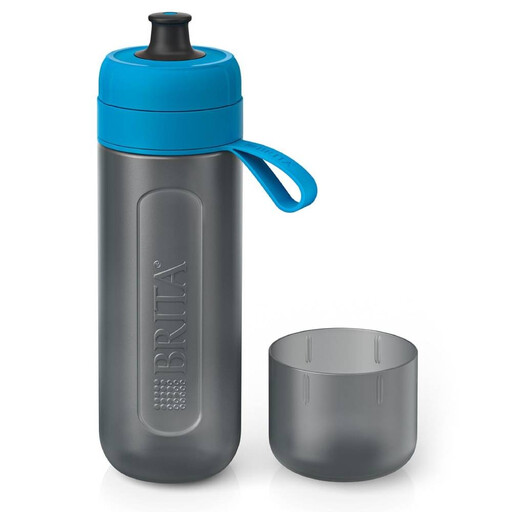
Why this product suits this profile: For commuters, travellers and sports enthusiasts who want to drink filtered tap water while out and about, this model offers an integrated MicroDisc solution.
The filter lifespan is clearly stated as up to 150 litres or four weeks. The filter must be replaced regularly and removed before cleaning the bottle in the dishwasher.
BPA-free plastic, a 600 ml capacity, sports lid and a dishwasher-safe bottle according to the product information.
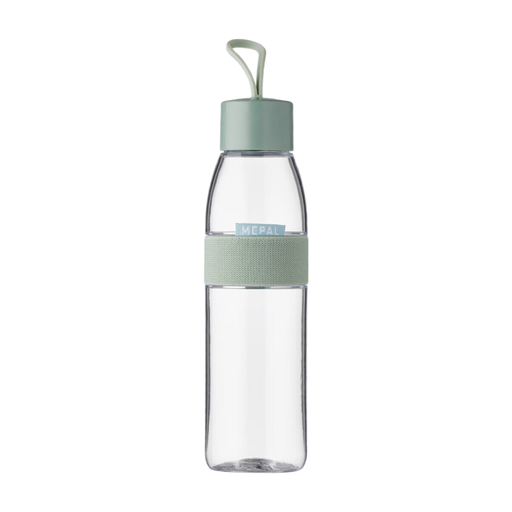
Why this product suits this profile: The compact capacity is well suited to work, exercise and short journeys. The lid stays attached to the bottle via the loop.
According to the product information, the bottle is leak-proof and suitable for carbonated drinks. Leave some room when filling it with carbonated drinks.
500 ml capacity, BPA-free material and dishwasher-safe design without an elastic band.
We have put together a complete, regularly updated list of products that fully meet these strict selection criteria and the safety regulations applicable in the EU.
Its lifespan depends on the material, usage and care. Stainless steel and Tritan are durable under normal use. However, seals and drinking attachments may wear out sooner. Check the bottle regularly for cracks, deformation, odours and leaks.
For both uses, 500 to 600 ml is usually practical. A sports opening makes it easier to drink during training. In the office, a screw top with a wide opening may be more comfortable, particularly if the bottle is washed by hand.
Yes. In addition to normal cleaning, filters must be replaced after the specified volume or period. For the BRITA Fill & Go Active, up to 150 litres or four weeks is stated. Filter costs should therefore be factored into your purchasing decision.