
Lieferung heute & morgen

Qualitätsgarantie

Willkommens-Angebote freischalten: KOSTENLOSE Lieferung | Bis zu 80 % RABATT | Kostenlose 30-Tage-JoyPlus-Testphase
App herunterladen
A reusable water bottle replaces single-use bottles, but that doesn’t automatically make it suitable for every situation. The needs of the office, gym, school, travel and family life can vary considerably. If you focus only on colour, price or capacity, you may overlook important details.
The leakproof water bottle label is only a practical advantage if the lid, valve and seal work reliably together. A water bottle with a silicone seal should therefore have a clearly described closure. It’s just as important for the seal to be removable and easy to check regularly. Residue or deformation can affect how well it seals.
A 1-litre bottle won’t necessarily be the best fit. For short trips or use at work, 380 to 530 ml may be easier to handle. Diameter, height and weight also matter, as does whether it fits in car cup holders, rucksack pockets or the cup holders at the gym.
A dishwasher-safe water bottle can save time, but not every model is suitable for the dishwasher. Some products require the lid, silicone ring and mouthpiece to be washed by hand only. Ignoring these instructions could alter the material or affect how well the lid fits.
For a BPA-free water bottle, the material should be clearly specified. Common materials include polypropylene, Tritan, stainless steel and silicone. Plastic models are usually lightweight and practical for taking out and about. Stainless steel is a good choice if you’re looking for a robust design or insulation.
Hot drinks require extra care. According to some product specifications, certain plastic bottles are designed for cold or room-temperature drinks only. Carbonated drinks can create pressure in sealed bottles, so several models explicitly aren’t suitable for them.
Don’t just look at the capacity in millilitres. For example, a model with a diameter of 6.6 cm is more likely to fit in many cup holders than a wider water bottle. A carry handle or strap makes it easier to transport, but doesn’t replace a secure lid lock.
Check the following before buying:
Stop using a reusable water bottle if the body, lid or sealing ring is visibly damaged. This is especially important for bottles carried every day in bags or rucksacks.
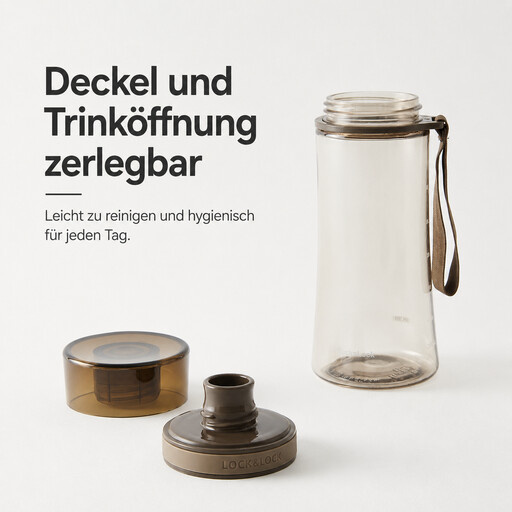
Why this product suits this user: This compact 380 ml sports bottle is ideal for short trips, the workplace or a car cup holder. The integrated spout is designed for drinking with one hand.
The product description states that the bottle has a silicone seal and a leakproof closure. Make sure the lid is fully closed before carrying it.
380 ml capacity, BPA-free plastic, an integrated spout and a compact design.
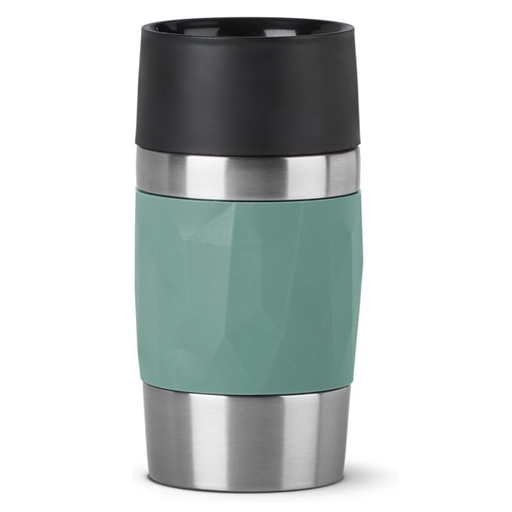
Why this product suits this user: This double-walled stainless steel mug with vacuum insulation is designed for commuting, the office and travel. Its 360-degree drinking opening lets you drink from any side.
The product specifications describe a leakproof lid and state that the whole mug is dishwasher-safe. Hand washing is still recommended to help it last longer.
Double-walled stainless steel, vacuum insulation, a 0.3 l capacity and a non-slip base.
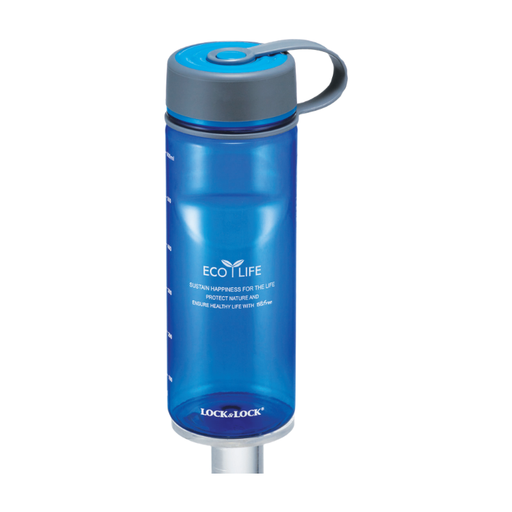
Why this product suits this user: Its larger capacity is ideal if you’d like to refill less often at work, school, during sport or on day trips. The carry handle makes it easier to take with you.
The specifications mention a silicone seal and a leakproof closure. The bottle is designed for water and cold drinks; avoid carbonated drinks and high temperatures.
650 ml capacity, BPA-free plastic, a carry handle and stated suitability for the gym, work and travel.
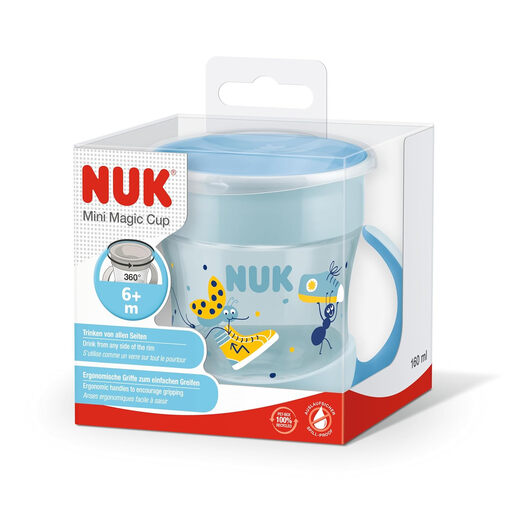
Why this product suits this user: According to the product specifications, this baby training cup is suitable for children aged six months and over. It has a 360-degree drinking rim and ergonomic handles.
The design is made for little hands and helps children drink in a controlled way. Use the cup under supervision and check it regularly for damage.
160 ml capacity, BPA-free materials, ergonomic handles and cleaning by hand or in the dishwasher, according to the product description.
We’ve put together a complete, regularly updated list of products that meet these strict selection criteria and fully comply with the safety regulations in force in the EU.
For short trips, 300 to 400 ml is often enough. If you’re using your bottle at the gym, office or school, or on longer journeys, you could choose 480 to 650 ml. Also check whether it fits in the cup holder you plan to use.
Its lifespan depends on the material, how it’s cleaned and how often it’s used. There’s no reliable one-size-fits-all answer. Replace the bottle if it develops cracks, damaged threads, a persistent odour or a deformed seal. Check replaceable parts regularly.
No. BPA-free doesn’t automatically mean that a bottle is heat-resistant. Always follow the manufacturer’s instructions for the specific material and model. Only use hot drinks, a microwave or direct heat with plastic bottles if the manufacturer explicitly says they’re suitable.